
In This Article
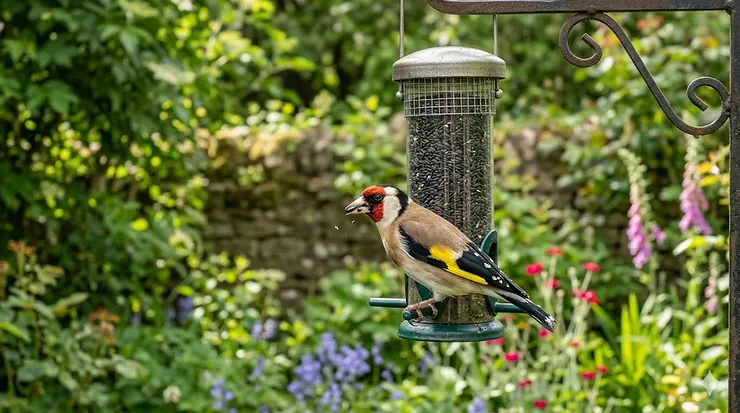
Picture this: a flash of crimson and gold swoops past your kitchen window, followed by another, then three more. Within minutes, your garden’s alive with the liquid twittering of Britain’s most colourful finches. That’s the magic of niger seed for goldfinches – and it’s happening in gardens across the UK right now.
The European goldfinch (Carduelis carduelis) has experienced a remarkable 155% population increase since 1994, according to research from the British Trust for Ornithology. What’s driving this golden age for goldfinches? Garden feeding, particularly with niger seed, has played a starring role. These tiny black seeds, harvested from the African yellow daisy (Guizotia abyssinica), contain around 40% oil content – making them an energy-dense superfood that goldfinches simply can’t resist.
But here’s the thing: not all niger seed is created equal. Freshness matters enormously. Old, dried-out seeds get rejected faster than you can say “charm of goldfinches” (yes, that’s the proper collective noun). The quality of your feeder matters too. And knowing when, where, and how to offer these seeds can mean the difference between an empty garden and a bustling finch restaurant.
In this comprehensive guide, I’ll share everything I’ve learned about niger seed for goldfinches through years of garden birdwatching and countless conversations with fellow enthusiasts. We’ll explore the seven best products available on Amazon.co.uk in 2026, decode what makes premium niger seed worth the investment, and reveal the insider tricks that turn casual birders into goldfinch magnets.
Quick Comparison Table
| Product | Weight | Price Range | Oil Content | Key Feature | Rating |
|---|---|---|---|---|---|
| Superpet Niger Seed | 12.5kg | £35-£45 | High | Family business since 1983 | ⭐⭐⭐⭐⭐ |
| RSPB Nyjer Seed | 900g | £5-£7 | Premium | Supports conservation | ⭐⭐⭐⭐½ |
| Happy Beaks Niger | 5kg | £18-£24 | Very High | Customer satisfaction focus | ⭐⭐⭐⭐⭐ |
| Seedzbox Gold Mix | 750g | £6-£9 | Premium | Tree planting initiative | ⭐⭐⭐⭐ |
| Extra Select Niger | 1kg | £5-£8 | 39% fat | Heat-treated option | ⭐⭐⭐⭐ |
| Cutting It Vine | 5kg | £16-£22 | High protein | Year-round feeding | ⭐⭐⭐⭐½ |
| Maltbys’ Stores | 10kg | £28-£38 | Fresh batches | Family tradition 1904 | ⭐⭐⭐⭐⭐ |
💬 Just one click – help others make better buying decisions too! 😊
✨ Don’t Miss These Exclusive Deals!
🔍 Take your garden birdwatching to the next level with these carefully selected products. Click on any highlighted item to check current pricing and availability on Amazon.co.uk. These premium seeds will help you create an authentic goldfinch sanctuary your neighbours will envy!
Top 7 Niger Seed for Goldfinches: Expert Analysis
1. Superpet Niger Bird Seed 12.5kg – Best for Serious Enthusiasts
If you’re committed to year-round goldfinch feeding, this bulk option from a trusted family-run UK retailer delivers exceptional value. The oil-rich composition provides concentrated high-protein nutrition that supports goldfinches through breeding seasons and harsh winters alike.
Key Specifications:
- Weight: 12.5kg bulk supply
- Premium quality from UK specialist
- Packaged for optimal freshness
Price Range: £35-£45
UK Customer Feedback: Buyers consistently praise the freshness and how quickly goldfinches discover these seeds. One Surrey customer reported attracting over a dozen goldfinches within days of filling their feeder, noting the seeds disappeared faster than any previous brand they’d tried.
✅ Pros:
- Excellent value for frequent users
- Reduces packaging waste
- Supports UK family business established 1983
❌ Cons:
- Requires proper storage containers
- Heavy package for some users
Perfect for: Garden enthusiasts with multiple feeders who want consistent, economical feeding throughout the year.
2. RSPB Nyjer Seed 900g – Best for Conservation-Minded Birders
This compact bag from the Royal Society for the Protection of Birds combines quality seed with a meaningful purpose. Every purchase directly supports the RSPB’s conservation efforts, making it an excellent choice for birders who want their hobby to contribute to wider wildlife protection.
Key Specifications:
- Weight: 900g resealable pack
- Specially selected for goldfinches, greenfinches, and siskins
- Conservation organisation backing
Price Range: £5-£7
UK Customer Feedback: Scottish birders particularly appreciate how quickly this seed attracts not just goldfinches but also siskins and redpolls. The resealable packaging keeps seeds fresh between refills, preventing waste.
✅ Pros:
- Supports bird conservation directly
- Perfect trial size for new feeders
- Quality-controlled selection
❌ Cons:
- Smaller quantity means more frequent purchases
- Slightly higher price per kilogramme
Perfect for: Beginners wanting to test goldfinch feeding and environmentally conscious birders supporting conservation initiatives.
3. Happy Beaks Niger Seed Wild Bird Food 5kg – Best Overall Value
This mid-weight option strikes the perfect balance between quantity and manageability. Happy Beaks has built a reputation on customer satisfaction, and their niger seed lives up to the promise with consistent freshness and exceptional attraction rates.
Key Specifications:
- Weight: 5kg balanced size
- High-energy nutrition formula
- Available in multiple size options
Price Range: £18-£24
UK Customer Feedback: Welsh customers report goldfinches returning within hours of refilling feeders. One Manchester reviewer mentioned their feeders going from empty to hosting six goldfinches simultaneously within a single afternoon.
✅ Pros:
- Ideal size for most households
- Freshness guaranteed
- Attracts diverse finch species
❌ Cons:
- May require supplementary purchase for heavy usage
- Not heat-treated (germination possible)
Perfect for: Average garden birders wanting quality seed without committing to massive quantities or frequent small purchases.
4. Seedzbox Gold Finch Bird Food 750g – Best for Eco-Conscious Feeding
Founded in 2019 with sustainability at its heart, Seedzbox donates 5% of sales to OneTreePlanted charity. This Cheshire-based family business sources premium ingredients and packages them without dust-creating fillers.
Key Specifications:
- Weight: 750g premium selection
- 100% pure niger seed mix
- Tree planting contribution included
Price Range: £6-£9
UK Customer Feedback: Customers love the “no dust cloud” feature when pouring seeds. Goldfinches respond enthusiastically, with many UK buyers noting the charm returned the same day after refilling feeders with this brand.
✅ Pros:
- Environmental giving programme
- Clean, dust-free formula
- Supports small UK business
❌ Cons:
- Higher price point
- Smaller quantity for dedicated feeders
Perfect for: Environmentally conscious birders who appreciate supporting small British businesses with ethical practices.
5. Extra Select Niger Seed Wild Bird Food 1kg – Best for Testing Quality
This compact option provides an excellent introduction to quality niger seed without overwhelming commitment. With 24% protein and 39% fat content, it delivers concentrated nutrition goldfinches crave.
Key Specifications:
- Weight: 1kg trial-friendly size
- 39% fat, 24% protein
- Amino acid enriched for fledglings
Price Range: £5-£8
UK Customer Feedback: Mixed reviews highlight an important lesson: some batches are heat-treated whilst others aren’t. UK customers who experienced lawn germination recommend checking with suppliers about heat treatment before purchase.
✅ Pros:
- Excellent nutritional profile
- Affordable trial option
- Good for single-feeder setups
❌ Cons:
- Germination issues reported
- Inconsistent heat treatment
Perfect for: First-time niger seed buyers wanting to test goldfinch response before investing in larger quantities.
6. Cutting It Vine Premium Niger 5kg – Best Year-Round Option
Specifically formulated as an all-season food source, this premium blend supports goldfinches, tits, siskins, chaffinches, and bullfinches throughout their annual cycle.
Key Specifications:
- Weight: 5kg all-season formula
- High oil and protein content
- Suitable for multiple finch species
Price Range: £16-£22
UK Customer Feedback: Regular buyers note consistent quality with minimal chaff. The blend proves popular during breeding seasons when parent goldfinches need energy-dense food for raising chicks.
✅ Pros:
- All-season reliability
- Attracts variety of species
- Good value for quality
❌ Cons:
- Some chaff reported in batches
- Requires niger-specific feeder
Perfect for: Year-round feeders wanting reliable, consistent quality through all seasons and weather conditions.
7. Maltbys’ Stores 1904 Limited Niger Seed 10kg – Best Heritage Quality
With over 120 years of family tradition behind them, Maltbys’ represents old-school quality and customer service. Fresh deliveries every three weeks ensure you’re always buying the freshest possible product.
Key Specifications:
- Weight: 10kg bulk professional size
- Fresh delivery rotation system
- Six-generation family expertise
Price Range: £28-£38
UK Customer Feedback: Hospices and care homes choose this brand for reliability, which speaks volumes. Garden birders appreciate the consistent freshness and note goldfinches queue at feeders filled with Maltbys’ seeds.
✅ Pros:
- Established reputation since 1904
- Regular fresh stock rotation
- Professional-grade quality
❌ Cons:
- Large quantity for casual users
- Requires dedicated storage
Perfect for: Serious birders, multiple-feeder setups, and those who value heritage quality and established British businesses.
Understanding Niger Seed: What Makes It Irresistible to Goldfinches
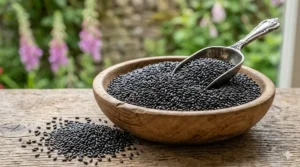
Niger seed – also spelled nyjer, nyger, or thistle seed – originates from the Ethiopian highlands where Guizotia abyssinica grows wild. These tiny, oil-rich black seeds measure just 3-4 millimetres long, making them perfectly sized for the delicate, pointed beaks goldfinches have evolved for extracting seeds from thistles and teasels.
The nutritional profile explains why goldfinches prefer niger seed over many alternatives. With approximately 40% oil content and 20% protein, these seeds deliver concentrated calories essential for small birds maintaining high metabolic rates. During Britain’s cold winters, this energy density becomes crucial for survival. The fat content also supports feather maintenance and breeding condition.
Interestingly, niger seed isn’t actually from thistles, despite often being marketed as “thistle seed” in North America. The confusion arose because goldfinches’ natural diet includes thistle seeds, and niger provides similar nutritional benefits. The authentic thistle connection in goldfinch biology runs deep – their scientific name Carduelis derives from the Latin word for thistle, carduus.
Fresh niger seed has a subtle, pleasant aroma. If your seeds smell musty or show any signs of mould, goldfinches will reject them. Birds possess remarkably sensitive detection systems for food quality, and they’ll simply ignore degraded seeds. This selectivity drives home the importance of proper storage and choosing suppliers with rapid stock turnover.
How to Choose Niger Seed for Goldfinches: Your Expert Buying Guide
1. Assess Freshness Indicators
Open a bag and examine the seeds closely. Fresh niger should appear dark black with a slight sheen. Dull, grey-brown seeds indicate age. Squeeze a seed between your fingers – it should feel slightly oily. Dry, brittle seeds have lost their nutritional value and won’t attract goldfinches.
2. Consider Your Usage Pattern
Calculate roughly how many goldfinches visit your garden and how quickly they empty feeders. A pair of goldfinches might consume 50-100 grammes weekly, whilst a charm of ten birds could devour a kilogramme in the same period. Match your purchase size to consumption rates, ensuring you’ll use seeds whilst fresh.
3. Evaluate Storage Capabilities
Niger seed stays freshest in airtight containers kept cool and dry. If you can’t store 20kg properly, buying smaller quantities more frequently makes better sense. Moisture causes rapid deterioration, so garden sheds without climate control aren’t ideal storage locations.
4. Check Heat Treatment Status
Some niger seed sold in the UK undergoes heat treatment to prevent germination. Untreated seeds can sprout in lawns beneath feeders, creating maintenance issues. If garden appearance matters, specifically seek heat-treated options or suppliers who can confirm treatment status.
5. Compare Price Per Kilogramme
Whilst bulk purchases generally offer better value, factor in potential waste from deterioration. A £40, 20kg bag costing £2/kg becomes expensive if half spoils before use. Sometimes paying £3.50/kg for a 2kg bag proves more economical.
6. Research Supplier Reputation
Family businesses with decades of experience typically maintain stricter quality control than anonymous bulk importers. Read recent customer reviews on Amazon.co.uk, focusing on comments about freshness, goldfinch response, and packaging quality.
7. Consider Supporting Conservation
RSPB-branded products and suppliers contributing to environmental initiatives allow your birding hobby to support wider conservation efforts. These products might cost slightly more, but they deliver benefits beyond your garden fence.
Benefits of Feeding Niger Seed for Goldfinches
Nutritional Superiority
Niger seed’s high oil and protein content provides goldfinches with optimal nutrition throughout their lifecycle. During breeding season (April through August), these nutrients support egg production, chick development, and the intensive energy demands of feeding nestlings. In winter, the concentrated calories help goldfinches maintain body temperature during freezing nights.
Selective Attraction
The tiny seed size and specialised feeders required naturally filter out larger, more aggressive species like starlings and pigeons. This selectivity means your niger investment specifically benefits finches rather than feeding the entire neighbourhood bird population indiscriminately.
Garden Population Support
British Trust for Ornithology research indicates goldfinch populations have benefitted significantly from garden feeding. By providing reliable niger seed supplies, you’re directly contributing to conservation success stories. Your garden becomes part of a nationwide network supporting these beautiful birds through environmental challenges.
Year-Round Enjoyment
Unlike some bird foods appropriate only seasonally, niger seed works brilliantly twelve months annually. Spring brings breeding birds seeking protein for chicks. Summer attracts family groups teaching fledglings to feed. Autumn sees migrants refuelling for journeys south. Winter brings resident birds desperately needing calories.
Reduced Mess
Niger seed generates minimal mess compared to sunflower hearts or peanuts. The tiny seeds either get consumed completely or fall to ground level where they decompose quickly. You won’t find mounds of shells or sprouting seedlings everywhere (unless using untreated seed).
Educational Value
Watching goldfinches master niger feeders provides endless fascination. Their acrobatic feeding positions, social interactions, and distinctive calls create educational opportunities for children and adults alike. You’ll learn to recognise individual birds, observe courtship behaviours, and witness seasonal population changes.
Niger Seed vs Alternative Bird Foods
| Feature | Niger Seed | Sunflower Hearts | Peanuts | Mixed Seed |
|---|---|---|---|---|
| Goldfinch Appeal | Excellent | Very Good | Moderate | Good |
| Oil Content | 40% | 50% | 49% | Variable |
| Mess Level | Very Low | Low | Moderate | High |
| Price/kg | £2-£4 | £1.50-£3 | £2-£4 | £1-£2 |
| Selective Feeding | Excellent | Moderate | Poor | Poor |
| Year-Round Use | Excellent | Excellent | Good | Good |
| Storage Requirements | Strict | Moderate | Strict | Moderate |
Essential Niger Seed Feeding Tips for Maximum Goldfinch Attraction
Choose the Right Feeder
Standard seed feeders won’t work for niger – the tiny seeds simply pour straight through normal feeding ports. Specialised niger feeders feature much smaller holes (approximately 2-3mm) that allow goldfinches to extract individual seeds whilst preventing wasteful spillage. Tube feeders with multiple feeding ports accommodate several goldfinches simultaneously, reducing territorial squabbles.
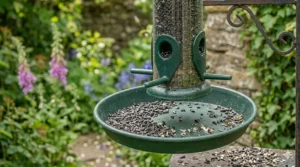
Consider feeders with catch trays underneath. Whilst goldfinches waste relatively little niger compared to other seeds, catch trays collect dropped seeds and provide additional feeding platforms. Some goldfinches actually prefer tray feeding over clinging to vertical ports.
Location Matters Enormously
Goldfinches aren’t woodland specialists like nuthatches or treecreepers. They naturally feed in relatively open habitats on thistles and teasels. Position your niger feeder in a spot with clear sightlines rather than deep within dense shrubbery. Goldfinches need to see approaching predators whilst feeding.
However, completely exposed locations create vulnerability. Ideal placement provides nearby escape cover – perhaps 2-3 metres from shrubs or small trees. This positioning lets goldfinches retreat quickly if sparrowhawks appear but maintains feeding visibility.
Height proves less critical than for some species. Goldfinches naturally feed from ground level up to several metres high. Hanging feeders at 1.5-2 metres works well for observation whilst remaining accessible for cleaning and refilling.
Maintain Impeccable Hygiene
Clean niger feeders every 2-3 weeks minimum, more frequently during hot weather. Dismantle completely and scrub with warm water and wildlife-safe disinfectant. Rinse thoroughly – goldfinches detect chemical residues and avoid contaminated feeders. Dry completely before refilling to prevent mould development.
Dirty feeders spread diseases like trichomonosis, which has devastated greenfinch populations across Britain. Goldfinches can contract the same parasite through contaminated feeders or water sources. Your cleaning routine directly protects the birds you’re trying to help.
Prevent Germination Issues
If using untreated niger seed, position feeders over paved areas, gravel, or locations where seedling growth won’t matter. Alternatively, invest in heat-treated seed specifically processed to prevent germination. Some brands advertise “no grow” formulas designed for UK gardeners concerned about lawn appearance.
Regular ground cleanup beneath feeders prevents accumulation. A quick sweep every few days removes fallen seeds before they establish.
Stock Multiple Feeders
Goldfinches are highly social but can show territorial behaviour around limited resources. A single feeder might support 2-4 birds comfortably, but a charm of ten requires multiple feeding stations. Spacing feeders several metres apart reduces aggression and allows subordinate birds feeding access without dominant individuals monopolising food.
Patience Pays Off
New feeders sometimes take weeks before goldfinches discover them. These birds learn feeding locations through observation and social transmission. Once a few individuals identify your niger source, others follow quickly. Initial slow periods don’t indicate poor seed quality – goldfinches simply need time finding new resources.
Seasonal Niger Seed Feeding Guide
Spring (March-May)
Breeding season begins in earnest during April. Goldfinches require extra protein for egg production and nestling development. Maintain full feeders as parent birds make frequent trips collecting food for growing chicks. You might notice increased feeder traffic as adult pairs supplement natural insect prey with energy-dense niger seed.
Summer (June-August)
Family groups appear at feeders from mid-June onwards as fledglings learn feeding skills. Young goldfinches initially seem clumsy, struggling with niger feeder ports before mastering the technique. Maintain supplies but expect some reduction in usage as natural seed sources become abundant.
Autumn (September-November)
Migration patterns create fascinating population shifts. Some British goldfinches migrate to Spain and southern France, replaced by Continental visitors moving to Britain for relatively mild winters. Feeder numbers might remain stable whilst actual bird identities change completely. Top up feeders regularly as birds build energy reserves.
Winter (December-February)
Critical feeding period when natural food sources diminish dramatically. Snow and ice cover eliminate access to remaining teasel and thistle seed heads. Garden feeders become lifelines during harsh weather. Keep feeders filled and check daily for ice damage or snow blockage affecting feeding port access.
Common Niger Seed Feeding Mistakes to Avoid
Buying Excessive Quantities
That tempting 50kg bulk purchase might seem economical, but unless you’re operating multiple feeders for large goldfinch populations, you’ll struggle using it before deterioration. Niger seed doesn’t improve with age – quite the opposite.
Inadequate Storage
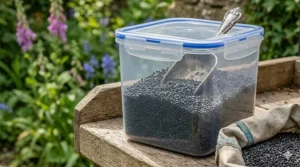
Leaving bags open in garden sheds exposes seeds to moisture, temperature fluctuations, and potential pest contamination. Transfer seeds to airtight containers immediately. Old biscuit tins, plastic storage boxes, or purpose-built seed bins all work effectively.
Ignoring Feeder Cleanliness
It bears repeating because it’s absolutely critical: dirty feeders spread disease. The extra ten minutes monthly cleaning prevents devastating outbreaks that can kill the goldfinches you’re trying to help.
Wrong Feeder Type
Standard seed feeders with 6-8mm ports simply won’t work for niger. The seeds flow through like water, creating expensive ground piles that spoil quickly. Invest in proper niger feeders with appropriately sized holes.
Giving Up Too Quickly
If goldfinches don’t appear within a week, persevere. These birds have established feeding circuits and might take time discovering new resources. Three weeks represents a more realistic discovery period.
Frequently Asked Questions
❓ How long does niger seed stay fresh once opened?
❓ Can house sparrows eat niger seed from goldfinch feeders?
❓ Why have goldfinches stopped eating my niger seed?
❓ Should I feed niger seed during summer breeding season?
❓ Is niger seed suitable for other British garden birds?
Conclusion: Transform Your Garden Into a Goldfinch Paradise
Choosing the right niger seed for goldfinches isn’t merely about purchasing bird food – it’s about creating genuine connections with Britain’s most spectacular small birds whilst contributing to conservation success stories. The remarkable 155% population increase goldfinches have achieved since 1994 demonstrates how garden feeding makes measurable differences.
From the heritage quality of Maltbys’ Stores 1904 to the conservation commitment of RSPB Nyjer Seed, each product reviewed offers distinct advantages for different feeding situations. Whether you’re maintaining multiple feeders for established goldfinch charms or testing your first niger feeder tentatively, matching product choice to your specific circumstances maximises success.
Remember the fundamental principles: freshness matters enormously, proper storage preserves quality, specialised feeders prevent waste, and regular cleaning protects bird health. Position feeders thoughtfully, maintain supplies consistently through all seasons, and exercise patience whilst goldfinches discover your offerings.
The liquid twittering of goldfinches feeding contentedly, their crimson faces and golden wing flashes catching sunlight as they perform acrobatic feeding positions – these moments justify every penny spent on quality niger seed. Your garden becomes part of something larger: a nationwide network of wildlife-friendly spaces supporting biodiversity through challenging times.
Start with any of the seven products recommended here, follow the feeding guidelines outlined, and prepare for the delightful chaos of goldfinch flocks transforming your outdoor space into a vibrant sanctuary. The birds are waiting to discover your feeders.
Recommended for You
- 7 Best Fat Balls for Garden Birds UK 2026
- 7 Best Wild Bird Food Options UK 2026
- 7 Best Gouldian Finch Diet Requirements UK | Complete 2026 Guide
Disclaimer: This article contains affiliate links. If you purchase products through these links, we may earn a small commission at no additional cost to you. Prices shown are approximate and may vary.
✨ Found this helpful? Share it with your mates! 💬🤗
