In This Article
If you’ve fallen under the spell of the Erythrura gouldiae—more commonly known as the Lady Gouldian finch—you’ll already know these little Australian beauties are nothing short of spectacular. With their rainbow plumage and delicate demeanour, they’re arguably the most stunning finches in the avian world. But here’s the thing: their beauty comes with responsibility, particularly when it comes to Gouldian finch diet requirements.
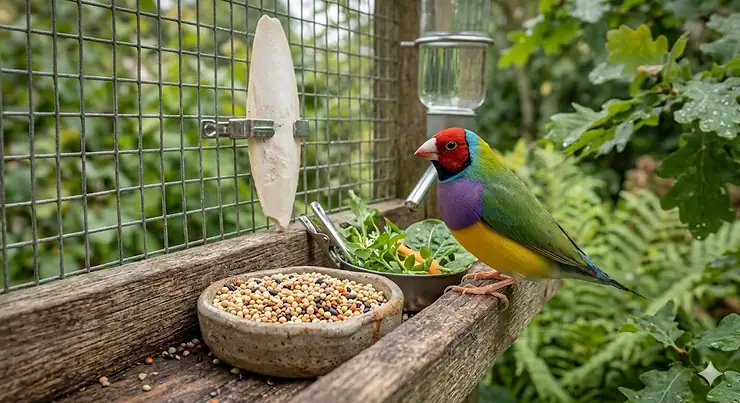
Unlike your garden sparrows cheerfully scavenging yesterday’s toast crumbs, Gouldians are specialist feeders with precise nutritional needs. In their native northern Australian grasslands, they feast on a rotating seasonal menu of grass seeds, millets, and minerals found in the soil. Replicate that in captivity? Not quite as straightforward as popping to Tesco for bird seed, I’m afraid. Get the diet wrong, and you’re looking at dull plumage, failed breeding attempts, or worse—serious health complications like egg binding and air sac mites.
This comprehensive guide will walk you through everything you need to know about proper Lady Gouldian nutrition in the UK. From the best Gouldian finch food available on Amazon.co.uk to essential supplements and feeding schedules, we’ve got you sorted. Whether you’re breeding these magnificent birds or simply want to keep a healthy pair, understanding their diet is absolutely fundamental to their wellbeing.
Quick Comparison Table
| Product Type | Primary Purpose | Price Range (£) | Recommended For | UK Availability |
|---|---|---|---|---|
| Foreign Finch Seed Mix | Daily staple diet | £8.99-£24.99 | All Gouldians | Excellent |
| Egg Food Supplement | Breeding & protein boost | £6.89-£12.99 | Breeding pairs, chicks | Excellent |
| Cuttlebone | Calcium supplementation | £3.49-£9.99 | All finches, esp. hens | Excellent |
| Vitamin Supplements | Complete nutrition | £7.99-£15.99 | All Gouldians | Good |
| Millet Sprays | Treats & enrichment | £3.49-£8.99 | All finches | Excellent |
| Finch Pellets | Balanced nutrition alternative | £9.76-£19.99 | Fussy eaters | Good |
| Mineral Grit | Digestion aid | £4.99-£8.99 | All seed-eating finches | Excellent |
💬 Just one click – help others make better buying decisions too!😊
Top 7 Gouldian Finch Food Products: Expert Analysis
1. Haith’s Foreign Finch Mix (12.75kg)
When it comes to quality seed mixes specifically formulated for exotic finches, Haith’s Foreign Finch Mix remains the gold standard amongst UK breeders. This expertly blended mixture contains high-quality millets (red, yellow, and Japanese), panicum, and Canadian canary seed—precisely what Gouldians would naturally select in the wild.
Key Specifications:
- Premium millet blend with no unnecessary fillers
- Dust-free SuperClean™ formula
- Suitable for Gouldians, Zebras, and Bengalese finches
Price Range: £18.99-£24.99 depending on size
Customer Feedback: UK breeders consistently praise Haith’s for minimal waste, with birds eating virtually every seed rather than tossing half the mix. One reviewer noted their Gouldians “let me know if the seed isn’t up to scratch by wasting a considerable amount—this doesn’t happen with Haith’s.”
✅ Pros:
- Exceptional seed quality with minimal dust
- Birds eat 90%+ of the mix (very little waste)
- Supports vibrant plumage and breeding condition
❌ Cons:
- Premium pricing compared to pet shop alternatives
- Must order online for best value
Best for: Serious breeders and keepers wanting optimal health and colour genetics
2. Johnston & Jeff Foreign Finch Seed (1kg)
For those seeking a readily available nutritious Gouldian finch seed mix on Amazon.co.uk, Johnston & Jeff Foreign Finch Seed delivers excellent value. This blend provides a balanced staple diet incorporating multiple seed varieties that appeal to Gouldians’ natural preferences.
Key Specifications:
- Multi-seed formula including canary seed and millets
- 1kg resealable bag
- Suitable for all foreign finches
Price Range: £7.99-£9.99
Customer Feedback: UK buyers report their finches “gobble it up every time” with significantly improved overall health. The seeds arrive fresh with minimal dust.
✅ Pros:
- Readily available on Amazon.co.uk with Prime delivery
- Good value for smaller flocks
- Fresh, clean seeds
❌ Cons:
- Some birds may be selective with certain seeds
- Smaller bag size means more frequent reordering
Best for: New Gouldian keepers or small collections (2-6 birds)
3. CéDé Egg Food for Canaries & Finches (1kg)
Egg food is absolutely essential during breeding season, and CéDé Egg Food is trusted by professional breeders throughout Europe. This complete rearing food provides the high-protein nutrition parent Gouldians need to feed rapidly growing chicks.
Key Specifications:
- Contains real egg protein and essential amino acids
- Fortified with vitamins A, D3, and E
- Can be served dry or moistened
Price Range: £9.76-£12.99
Customer Feedback: Breeders report excellent acceptance rates, with parent birds enthusiastically feeding it to chicks. The room-temperature stability means it won’t spoil quickly.
✅ Pros:
- Complete amino acid profile for chick development
- Room-temperature stable for UK climate
- Supports successful breeding and fledging
❌ Cons:
- Must be removed daily to prevent spoilage
- Some birds need gradual introduction
Best for: Breeding Gouldians, moulting birds, or those recovering from illness
4. Happy Wings Finch Blend (Niger Seed & Sunflower Hearts, 1.8kg)
This Happy Wings NO GROW Finch Blend combines niger seed with sunflower hearts—both oil-rich seeds that Gouldians particularly relish. The “no grow” formula means no mess from germinating seeds beneath feeders.
Key Specifications:
- Niger seed and sunflower heart blend
- High oil content for energy and feather condition
- 1.8kg bag
Price Range: £10.99-£13.49
Customer Feedback: UK finch keepers note the high palatability and energy-boosting properties, particularly valuable during winter months or moult.
✅ Pros:
- Excellent for feather quality and colour
- High energy content
- No mess from sprouting seeds
❌ Cons:
- Should supplement, not replace, main seed mix
- High oil content means feed in moderation
Best for: Supplementing main diet, particularly during moult or cold weather
5. Natural Cuttlebone with Holder (3-Pack, 5.5-6 inches)
Calcium supplementation is non-negotiable for Gouldians, especially breeding hens. Natural Cuttlebone provides essential calcium and helps trim beaks naturally—and at under £4, it’s remarkably affordable.
Key Specifications:
- 100% natural cuttlefish bone
- Includes metal holder for cage attachment
- 3-pack of medium-large bones (14-15cm)
Price Range: £3.49-£5.99
Customer Feedback: UK bird keepers report their finches “virtually live in” the cuttlebone dish during breeding season. Hens preparing to lay eggs are particularly enthusiastic consumers.
✅ Pros:
- Inexpensive calcium source
- Naturally trims overgrown beaks
- Essential for egg-laying hens
❌ Cons:
- Metal holders can sometimes break
- Some arrive damaged in shipping
Best for: All Gouldians, absolutely essential for breeding hens
6. Trill Budgie & Finch Vitamin Supplement (100ml)
While Gouldians can get many nutrients from a varied diet, certain vitamins—particularly D3, A, and iodine—are nearly impossible to provide through food alone in UK captivity. Trill Vitamin Supplement fills these crucial gaps.
Key Specifications:
- Multi-vitamin liquid supplement
- Contains vitamins A, D3, E, and B complex
- Added iodine (essential for Gouldians)
Price Range: £7.99-£11.99
Customer Feedback: Breeders note improved breeding success and stronger chicks when using regular vitamin supplementation, particularly during winter months with reduced natural light.
✅ Pros:
- Addresses vitamin D3 deficiency (common in UK indoor birds)
- Easy to administer in drinking water
- Supports immune system function
❌ Cons:
- Water must be changed daily
- Some birds initially hesitant with altered water taste
Best for: All Gouldians year-round, essential for birds without access to outdoor aviaries
7. Premium Spray Millet (500g Pack)
Spray Millet serves double duty: it’s both a nutritious treat and valuable enrichment. Gouldians adore working the seeds from the spray, providing mental stimulation alongside nutrition.
Key Specifications:
- Natural dried millet sprays
- Approximately 20-25 sprays per 500g
- Can be served dry or soaked
Price Range: £4.99-£8.99
Customer Feedback: UK keepers use spray millet as a “gateway food” to introduce nervous birds to new diets, and as comfort food for newly fledged chicks learning to feed independently.
✅ Pros:
- Excellent behavioural enrichment
- Helps transition birds to new foods
- Useful for hand-taming
❌ Cons:
- Give sparingly—too much can cause digestive upset
- Soaked sprays must be removed within 24 hours
Best for: Treats, enrichment, encouraging fussy eaters, newly weaned chicks
✨ Don’t Miss These Exclusive Deals!
🔍 Take your Gouldian finch care to the next level with these carefully selected products. Click on any highlighted item to check current pricing and availability on Amazon.co.uk. These foods will help you maintain vibrant, healthy finches your aviary will showcase with pride!
What Makes Gouldian Finch Diet Requirements Unique?
Understanding Gouldian finch diet requirements begins with recognising how dramatically different these Australian grassland specialists are from your typical British garden finch. According to research on wild Gouldian populations, these birds have evolved very specific nutritional needs tied to the seasonal availability of native grass seeds in northern Australia.
The Iodine Factor
One absolutely crucial element that sets Gouldians apart is their requirement for iodine. In their native Australian habitat, iodine is abundant in the soil and subsequently in the seeds they consume. UK soils, however, are generally iodine-poor, making supplementation essential. Without adequate iodine, Gouldians can develop thyroid problems leading to lethargy, poor breeding performance, and reduced disease resistance.
Calcium and Vitamin D3: The Critical Partnership
Calcium deficiency represents perhaps the single most common nutritional problem in captive Gouldians, particularly affecting breeding hens. But here’s where it gets interesting: calcium absorption depends entirely on adequate vitamin D3. In the wild, Gouldians produce D3 naturally through exposure to full-spectrum Australian sunlight. In a UK living room or even an outdoor aviary? Not so much.
The British Gouldian Finch Club emphasises this partnership: without sufficient D3, even calcium-rich foods become useless, leading to the potentially fatal condition of egg binding in laying hens. This makes vitamin supplementation not merely helpful but absolutely essential for UK-based Gouldians.
The Protein Puzzle
Unlike insectivorous finches, Gouldians are primarily granivorous (seed-eating) with minimal interest in live food. During breeding season, however, protein requirements skyrocket for both parents feeding chicks and the rapidly developing hatchlings themselves. This is where high-quality egg food becomes indispensable, providing easily digestible animal protein that parent birds instinctively recognise as appropriate for chick-rearing.
Essential Components of a Nutritious Gouldian Diet
Base Seed Mix: The Foundation
Your Gouldian finch seed mix should form 60-70% of their total diet. The best Gouldian finch food combines:
Primary Seeds:
- White millet (high energy, easily digestible)
- Japanese millet (slightly larger, nutritious)
- Canary seed (protein-rich, aids plumage)
- Panicum millet (favourite among Gouldians)
Conditioning Seeds (10-15% of mix):
- Niger seed (high oil content, excellent for feather quality)
- Rape seed (small quantities only)
- Linseed/flax seed (omega-3 fatty acids)
What to Avoid:
- Cheap mixes with excessive filler seeds
- Dusty or musty-smelling seeds (indicates age or poor storage)
- Mixes with artificial coloured “vitamin pellets” (most birds simply don’t eat them)
Fresh Foods: Nature’s Pharmacy
Whilst Gouldians aren’t fruit enthusiasts like some tropical species, they do benefit from specific fresh foods:
Greens (offer 2-3 times weekly):
- Kale (vitamin A powerhouse)
- Pak choy/bok choy (well-tolerated by most Gouldians)
- Chickweed (if you can source it fresh)
- Endive (good calcium source)
Vegetables (small amounts):
- Grated carrot (vitamin A, improves immune function)
- Finely chopped broccoli (occasional treat)
- Cucumber (hydration during hot UK summers, though low nutritional value)
Important: Remove all fresh food within 4-6 hours to prevent bacterial growth. Gouldians showing coloured droppings after eating vegetables is normal and not cause for concern.
Sprouted Seeds: Nutritional Superstars
Germinating seeds transforms their nutritional profile dramatically. Sprouting increases vitamin content (particularly E and B-complex), makes proteins more bioavailable, and provides beneficial enzymes. During breeding season, sprouted seed can be the difference between successful fledging and tossed chicks.
How to Sprout Safely:
- Use only fresh, high-quality seed
- Rinse thoroughly in lukewarm water
- Soak 12-24 hours (until you see tiny white shoots)
- Rinse again thoroughly
- Offer immediately (remove within 6 hours)
Safety Note: Mouldy sprouted seed is dangerous. If there’s any question about freshness, bin it and start again.
The Mineral Mix
A proper mineral supplement should be constantly available. Create your own mix or purchase commercial blends containing:
- Fine oyster shell grit (calcium)
- Crushed eggshell (sterilised in microwave for 2 minutes)
- Shell grit (insoluble, aids digestion)
- Charcoal granules (helps bind toxins if birds consume something inappropriate)
- PVM powder (pink mineral mix, provides trace elements)
Gouldian Finch Breeding Food: Special Considerations
Pre-Breeding Conditioning (6-8 Weeks Before Pairing)
Successful breeding begins long before you introduce nest boxes. According to Mike Fidler, world-leading Gouldian expert, mimicking the wild nutritional cycle dramatically improves breeding outcomes. In their native habitat, Gouldians experience an “austerity period” as dry season seed becomes scarce. This physiologically prepares them for the abundant wet season breeding period.
Conditioning Diet Includes:
- Standard seed mix
- Increased niger and rape seed (15% of mix)
- Daily access to cuttlebone
- Vitamin supplementation 3x weekly
- Sprouted seed 2-3x weekly
Active Breeding Diet
Once pairs are nesting, nutritional demands intensify considerably:
Enhanced Daily Offerings:
- Best Gouldian finch food base mix
- Fresh egg food (CéDé or homemade) offered morning and evening
- Sprouted seeds daily
- Increased greens (kale, bok choy)
- Spray millet (helps newly fledged chicks learn independent feeding)
- Constant access to cuttlebone and mineral mix
Homemade Egg Food Recipe:
- 2 hard-boiled eggs, mashed with shells
- 1 cup commercial egg food supplement
- ¼ grated apple
- 1 medium shredded carrot
- 1 cup finely shredded romaine lettuce
Mix thoroughly and refrigerate. Remove uneaten portions within 4 hours. This provides parent birds with easily digestible protein for feeding demanding chicks.
Post-Breeding Recovery
After successfully raising a clutch, allow breeding pairs to rest and recuperate:
- Reduce protein-rich foods gradually
- Continue vitamin supplementation
- Ensure adequate rest period (minimum 4 weeks) before next clutch
- Watch for signs of exhaustion (fluffed feathers, reduced activity)
Understanding Gouldian Finch Colour Genetics and Nutrition
The spectacular colours that make Gouldians so captivating aren’t just genetic—they’re profoundly influenced by nutrition. Poor diet during moult results in washed-out, dull plumage that no amount of genetic potential can overcome.
Carotenoids and Colour Enhancement
Whilst red and black head colour is purely genetic, the intensity of body colours (purple breast, yellow belly, green back) depends partly on carotenoids in the diet. Unlike canaries where colour feeding is standard practice, Gouldians don’t require artificial colour supplements. Instead, natural carotenoids from:
- Dark leafy greens (kale, spinach in moderation)
- Grated carrot
- Quality seed oils (especially niger seed)
These naturally support vibrant plumage without artificial intervention.
The Moulting Period: Nutritional Make-or-Break
Annual moult represents the most nutritionally demanding and vulnerable period in a Gouldian’s life. According to avian nutrition research, inadequate nutrition during moult can have lasting consequences for feather quality and health.
Support Moulting Birds With:
- Increased protein (continue offering egg food 2-3x weekly)
- Extra niger seed (supports new feather growth)
- Vitamin supplementation daily (particularly biotin and B-complex)
- Reduced stressors (minimal handling, quiet environment)
Common Moult Problems Linked to Poor Nutrition:
- Stress bars on feathers (indicates nutritional stress during feather formation)
- Missing or damaged feathers
- Extended moult period (should complete within 6-8 weeks)
- Dull, lacklustre colours
Supplements: What UK Gouldians Actually Need
The Vitamin Supplement Debate
Walk into any bird shop and you’ll find dozens of vitamin supplements, all claiming to be essential. But what do Gouldians in UK captivity actually require?
Non-Negotiable Supplements:
1. Vitamin D3 British indoor birds simply cannot produce adequate D3 without full-spectrum sunlight. Even outdoor aviaries in Scotland during December won’t provide sufficient UV-B exposure. Choose supplements specifically formulated with D3 (not just vitamin D2, which birds cannot utilise efficiently).
2. Iodine UK seed mixes grown in iodine-poor soils leave Gouldians deficient unless supplemented. Look for water-soluble supplements containing potassium iodide.
3. Calcium Whilst cuttlebone provides calcium, breeding hens often need additional supplementation to prevent egg binding. Choose calcium supplements that include D3 for proper absorption.
Optional but Beneficial:
Vitamin A: Improves immune function and disease resistance. Can be provided through diet (kale, grated carrot) but supplementation ensures adequate intake.
Vitamin E and Selenium: Supports fertility and successful breeding. Particularly important for older breeding pairs.
B-Complex Vitamins: Support nervous system health and stress resistance.
Supplementation Schedule
Year-Round (All Birds):
- Vitamin/mineral supplement in water: 3x weekly
- Calcium (cuttlebone): constant access
- Iodine block or liquid supplement: constant or 2x weekly
Breeding Season:
- Daily vitamin supplementation
- Calcium: constant access (hens will self-regulate intake)
- Probiotic supplement: 2x weekly (supports chick gut health)
Moulting Period:
- Daily vitamin supplementation
- Increased protein sources
- Biotin supplement: 3x weekly
Lady Gouldian Nutrition: Special Needs of Breeding Hens
Female Gouldians face unique nutritional challenges, particularly during breeding season. Egg production is extraordinarily demanding—each egg represents significant calcium, protein, and energy expenditure.
Preventing Egg Binding
Egg binding (inability to pass an egg) is the most serious reproductive complication for Gouldian hens and can be fatal within hours if untreated. Nutritional factors contributing to egg binding include:
- Calcium deficiency
- Vitamin D3 deficiency (prevents calcium absorption)
- Vitamin E deficiency
- General poor body condition
- Obesity from excessive fatty seeds
Prevention Strategy:
- Ensure constant access to cuttlebone 6 weeks before breeding
- Daily vitamin D3 supplementation
- Avoid breeding hens under 12 months old (skeletal system still developing)
- Limit breeding to 3 clutches annually
- Maintain optimal body weight (neither too thin nor obese)
Recognising Nutritional Deficiency in Hens
Warning Signs:
- Soft-shelled or shell-less eggs
- Abandoning eggs during incubation
- Tossing newly hatched chicks
- Lethargy during breeding season
- Prolonged egg-laying intervals
These symptoms often indicate calcium or broader nutritional deficiencies requiring immediate intervention.
Gouldian Finch Health Maintenance Through Diet
Air Sac Mites and Nutritional Support
Air sac mites (Sternostoma tracheacolum) represent one of the most common health challenges in captive Gouldians. Whilst medication is necessary for treatment, optimal nutrition strengthens the immune system to resist initial infection and support recovery.
Nutritional Support During Recovery:
- High-quality protein (egg food, sprouted seeds)
- Vitamin A supplementation (strengthens respiratory tract)
- Probiotics (restore gut health after medication)
- Reduced stress (quiet environment, minimal handling)
Building Disease Resistance
The British Veterinary Association emphasises that optimal nutrition forms the foundation of disease prevention in cage birds. A well-nourished Gouldian with robust immune function will resist infections that would devastate a nutritionally compromised bird.
Immune-Supporting Nutrients:
- Vitamin A (respiratory tract health, first-line defence)
- Vitamin E and Selenium (antioxidant protection)
- Vitamin C (stress resistance—though birds can synthesise this, supplementation during stress helps)
- Probiotics (gut health directly impacts immune function)
Common Feeding Mistakes (And How to Avoid Them)
1. Seed-Only Diet
The single most common nutritional error: providing only dry seed mix. Whilst high-quality seed forms the diet foundation, relying solely on seed guarantees multiple deficiencies, particularly:
- Vitamin A
- Calcium
- Vitamin D3
- Iodine
Solution: Implement a varied diet including fresh foods, sprouted seeds, egg food, and regular supplementation.
2. Inconsistent Supplementation
Vitamins on Monday, forgotten Tuesday through Sunday. This erratic approach leaves birds chronically deficient.
Solution: Establish and maintain a consistent supplementation schedule. Set phone reminders if necessary.
3. Ignoring Water Quality
Vitamins added to water lose potency within 24 hours. Leaving enriched water for multiple days provides zero benefit and potentially harmful bacterial growth.
Solution: Fresh water daily, even when using supplements. This is non-negotiable.
4. Overfeeding Treats
Spray millet is nutritious, but offering unlimited amounts causes birds to ignore essential components of their diet.
Solution: Limit treats to 10% of total diet. Think of spray millet as pudding—lovely occasionally, but you wouldn’t eat nothing else.
5. Introducing New Foods Incorrectly
Dropping a chunk of kale in the cage and expecting immediate enthusiasm rarely works with naturally cautious Gouldians.
Solution: Patience and persistence. Finely chop new foods, mix with familiar foods, and accept it may take weeks for acceptance. Some breeders report success leaving unfamiliar foods near (not in) the cage initially, allowing birds to observe without pressure.
Seasonal Feeding Adjustments for UK Gouldians
Spring (March-May): Breeding Preparation
- Increase niger seed and protein
- Daily sprouted seeds
- Begin vitamin supplementation daily
- Offer nesting material to stimulate breeding condition
Summer (June-August): Active Breeding
- Maintain high protein offerings
- Fresh greens daily (easier to source quality greens)
- Constant egg food availability
- Extra vigilance for food spoilage in heat
Autumn (September-November): Post-Breeding & Moult
- Gradually reduce protein
- Support moulting birds with continued egg food 2-3x weekly
- Increase niger seed for feather quality
- Prepare for winter with conditioning diet
Winter (December-February): Maintenance & Rest
- Standard maintenance diet
- Increase energy-rich seeds (higher oil content)
- Ensure adequate supplementation (reduced natural light)
- Monitor for weight loss in cold outdoor aviaries
FAQ: Gouldian Finch Diet Requirements
❓ Can Gouldian finches eat fruit?
❓ How much should I feed my Gouldian finches daily?
❓ Do Gouldian finches need grit?
❓ What supplements are essential for UK Gouldian finches?
❓ Can I grow my own food for Gouldian finches?
Conclusion: The Foundation of Gouldian Success
Mastering Gouldian finch diet requirements isn’t simply about preventing deficiency diseases—it’s about enabling these spectacular birds to thrive in captivity as they would in their native Australian grasslands. When you provide nutritionally complete, varied diet that addresses their unique needs, you’ll see the results in vibrant plumage, successful breeding, and healthy longevity.
Remember the key principles: diverse seed mix as the foundation, regular supplementation addressing UK-specific deficiencies (particularly vitamin D3 and iodine), protein-rich foods during breeding and moult, and consistent, patient introduction of fresh foods. Coupled with proper housing, minimal stress, and regular health monitoring, proper nutrition gives your Gouldians their best chance at a healthy, colourful life.
The investment in quality food and supplements might seem significant initially, particularly compared to basic budgie mix from the pet shop. But consider this: premium nutrition prevents expensive veterinary emergencies, supports successful breeding (if that’s your goal), and most importantly, allows you to enjoy these remarkable birds displaying their full, spectacular potential. That’s worth every penny, wouldn’t you say?
Recommended for You
- 7 Best Zebra Finch Food Options UK 2026
- 7 Best Canary Egg Food for Breeding 2026 | UK
- 7 Best Canary Colour Food UK 2026: Expert Show Bird Guide
Disclaimer: This article contains affiliate links. If you purchase products through these links, we may earn a small commission at no additional cost to you. Prices shown are approximate and may vary.
✨ Found this helpful? Share it with your mates! 💬🤗
