In This Article
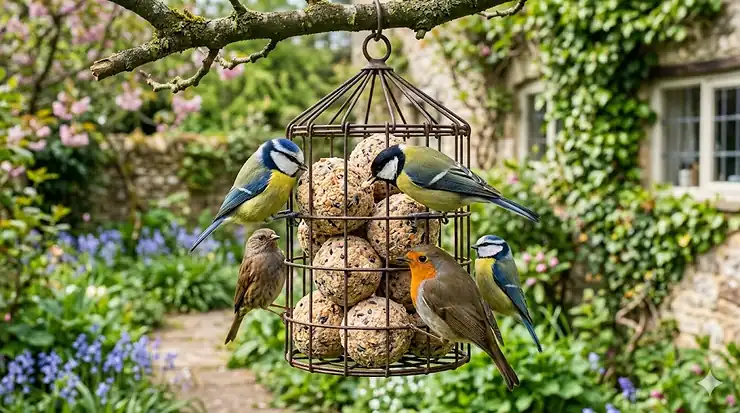
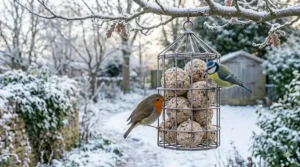
If you’ve ever watched a robin delicately pecking at a suet ball on a frosty morning or spotted a blue tit performing acrobatics to reach one, you’ll understand why fat balls for garden birds have become a staple in British gardens. These energy-packed spheres aren’t just popular—they’re genuinely vital for helping our feathered friends survive and thrive throughout the year.
Unlike seed mixes that birds might scatter about, fat balls for garden birds deliver concentrated nutrition in a form that’s easy for them to access. During winter’s harsh conditions, when natural food sources dwindle and temperatures plummet, these high-energy treats can make the difference between survival and starvation. According to research from the British Trust for Ornithology, gardens with supplementary feeding stations now host an average of 22.7 bird species during winter—a remarkable 49% increase since the 1970s when systematic recording began.
But here’s what many people don’t realise: fat balls aren’t just for winter. Modern formulations are designed for year-round feeding, supporting birds during breeding season when adults need quick energy whilst searching for invertebrates to feed their chicks, and through the autumn moult when good nutrition becomes particularly crucial. The British Trust for Ornithology now recommends feeding birds throughout all seasons, recognising that supplementary feeding benefits garden bird populations overall when done responsibly.
This comprehensive guide examines the seven best fat balls for garden birds available in the UK for 2026, comparing everything from ingredient quality and nutritional content to value for money and bird preferences. Whether you’re a seasoned bird enthusiast or just starting to attract wildlife to your garden, you’ll discover which products truly deliver results and which ones might leave your garden visitors disappointed.
Quick Comparison Table
| Product | Weight/Quantity | Price Range | Key Features | Best For |
|---|---|---|---|---|
| Peckish Natural Balance Energy Balls | 50 balls (4kg) | £14-£18 | Enriched with sunflower seeds, weather-resistant | Budget-conscious buyers |
| RSPB Wild Bird Super Suet Fat Balls | 50 balls | £16-£22 | Made in UK, high protein content, ethical sourcing | Conservation-minded |
| Honeyfield’s Fat Balls | 50 balls (4.25kg) | £15-£20 | Fair to Nature accredited, soft texture | Eco-conscious feeders |
| Suet Shop Ultimate Suet Fat Balls | 30 balls (3kg) | £12-£16 | Human-grade beef tallow, premium ingredients | Quality seekers |
| BusyBeaks Suet Fat Balls | 5L tub (approx 60 balls) | £18-£24 | Reusable tub, enhanced formula | High-volume users |
| SQUAWK Suet Fat Balls | 5L tub | £17-£23 | Premium blend, year-round formula | Versatile feeding |
| GardenersDream Suet Fat Balls | 100 pack | £22-£28 | Bulk savings, naturally blended | Large garden owners |
💬 Just one click – help others make better buying decisions too! 😊
Top 7 Fat Balls for Garden Birds: Expert Analysis
1. Peckish Natural Balance Energy Balls – Best Budget Option
If you’re after excellent value without compromising on quality, the Peckish Natural Balance Energy Balls deserve serious consideration. This 50-pack consistently receives praise from UK gardeners who appreciate both the competitive pricing and the enthusiastic response from their garden visitors.
Key Specifications:
- 50 balls per box (80g each, total 4kg)
- Enriched with sunflower seeds
- Weather-resistant formula
- Price: £14-£18
These Peckish Natural Balance Energy Balls contain a blend of cereals, wheat flour, beef fat, and sunflower seeds that creates an appealing texture for a wide range of species. The balls hold together remarkably well during wet weather, maintaining their shape through rain and other challenging conditions without immediately disintegrating—a crucial feature that cheaper alternatives often lack.
UK customers consistently report attracting diverse species including finches, blue tits, great tits, robins, and even the occasional spotted woodpecker. One buyer noted the amusing spectacle of starlings squabbling over access, though most birds politely share the feeders. The size proves just right for standard fat ball feeders, and whilst some crumbling does occur (as with any fat ball), ground-feeding birds happily clean up any dropped pieces.
✅ Pros:
- Excellent value for money at around £0.28-£0.36 per ball
- Weather-resistant texture maintains shape in rain
- Attracts wide variety of species including parakeets and woodpeckers
❌ Cons:
- Some crumbling inevitable, though this suits ground feeders
- Packaging could be more compact for storage
2. RSPB Wild Bird Super Suet Fat Balls – Best for Conservation
For those who want their bird feeding to support broader conservation efforts, the RSPB Wild Bird Super Suet Fat Balls represent an excellent choice. Every purchase directly funds the RSPB’s vital work protecting birds and their habitats across the UK, making these more than just bird food—they’re an investment in British wildlife.
Key Specifications:
- 50 balls per box
- Made in the UK
- Nature-friendly ingredients free from harmful chemicals
- Price: £16-£22
These RSPB Wild Bird Super Suet Fat Balls boast a particularly high suet content compared to standard offerings, providing extra nutrition that proves especially valuable during demanding periods like breeding season and winter. The formulation excludes harmful additives and toxins, ensuring peace of mind for gardeners concerned about bird welfare. According to the RSPB’s guidance, their products undergo rigorous testing to meet exacting standards.
British customers report exceptional softness, making them accessible even for smaller birds like coal tits and long-tailed tits that might struggle with harder formulations. Reviews frequently mention increased garden diversity, with buyers spotting blue tits, great tits, robins, blackbirds, starlings, and woodpeckers. The quality remains consistent batch after batch, a testament to careful manufacturing standards.
✅ Pros:
- Purchases support RSPB conservation programmes
- Exceptionally soft texture suits all bird sizes
- Ethically and sustainably sourced ingredients
❌ Cons:
- Premium pricing reflects conservation contribution
- Softness means they may not last as long in heavy rain
3. Honeyfield’s Fat Balls – Best for Ethical Sourcing
The Honeyfield’s Fat Balls stand out in the crowded market through their Fair to Nature accreditation, which guarantees that ingredients come from farms actively working to rebuild wildlife populations through nature-friendly production methods. If ethical sourcing matters to you, these balls deliver both on principle and performance.
Key Specifications:
- 50 balls per box (4.25kg)
- Fair to Nature conservation grade accreditation
- Contains cereals from wildlife-friendly farms
- Price: £15-£20
What makes these Honeyfield’s Fat Balls particularly special is their commitment to the bigger picture. Accredited farms dedicate at least 10% of their land to specific wildlife habitats and follow unique sustainability protocols. This means your garden feeding directly supports farmland birds like linnets, skylarks, and buntings that struggle in conventional agricultural landscapes. The Honeyfield’s philosophy recognises that conservation doesn’t stop at garden boundaries—it extends into the wider countryside where many bird species breed.
UK buyers appreciate the high-quality appearance and pleasant scent that indicates freshness. The balls maintain good structural integrity whilst remaining accessible to birds, striking that difficult balance between durability and edibility. Garden visitors demonstrate their approval through enthusiastic consumption, with customers reporting steady streams of finches, tits, robins, and thrushes throughout the day.
✅ Pros:
- Fair to Nature accreditation supports wider countryside conservation
- Good balance between firmness and accessibility
- Fresh appearance and pleasant scent
❌ Cons:
- Some users report hardness requiring knife-cutting for tray feeders
- Limited availability during peak demand periods
4. Suet Shop Ultimate Suet Fat Balls – Best Premium Quality
When you want the absolute finest ingredients for your garden birds, the Suet Shop Ultimate Suet Fat Balls justify their premium positioning through exceptional quality. Made with human-grade beef tallow rather than industrial suet, these balls represent the upper tier of bird nutrition.
Key Specifications:
- 30 balls per 3kg tub
- Human-grade beef tallow
- Enhanced with peanuts and black sunflower seeds
- Manufactured in the UK
- Price: £12-£16
These Suet Shop Ultimate Suet Fat Balls contain ingredients you’d recognise in your own kitchen: premium beef tallow, whole peanuts, and oil-rich black sunflower seeds. The difference in quality becomes apparent when you handle them—they’re substantial, with visible whole ingredients throughout rather than the generic brown appearance of budget options. This translates to higher nutritional density and better value despite the elevated price per unit.
British customers note that birds seem to recognise superior quality, with local populations quickly establishing regular feeding patterns. The enhanced formula proves particularly beneficial during cold snaps when birds need maximum calories per visit. The tub packaging offers practical advantages too, keeping remaining balls fresh and protected whilst the reusable container appeals to environmentally conscious buyers.
✅ Pros:
- Human-grade ingredients ensure premium nutrition
- Visible whole peanuts and sunflower seeds throughout
- UK manufactured with rigorous quality control
❌ Cons:
- Higher price per ball (approximately £0.40-£0.53)
- Smaller quantity means more frequent repurchasing for active gardens
5. BusyBeaks Suet Fat Balls – Best for High-Volume Feeding
For gardens that attract significant bird populations, the BusyBeaks Suet Fat Balls in their generous 5L tub format provide excellent value alongside consistent quality. This bulk option suits those who find themselves constantly refilling feeders and want to reduce shopping frequency.
Key Specifications:
- 5L tub (approximately 60 balls)
- Enhanced year-round formula
- Reusable, sealable plastic container
- High in energy and protein-rich
- Price: £18-£24
The BusyBeaks Suet Fat Balls utilise concentrated refined fats blended with cereal oats and sunflower seeds to create an energy-dense formula suitable for all seasons. The enhanced formulation means birds need to consume less volume to meet their energy requirements—an advantage during busy breeding season when adult birds are juggling their own needs with finding natural food for chicks.
UK gardeners particularly appreciate the practical packaging. The clear plastic tub keeps fat balls fresh between uses, protects them from moisture and pests, and proves far more convenient than cardboard boxes that can become compromised by the fat content. Many buyers report using the tub long after finishing the original contents, refilling with subsequent purchases. Reviews consistently mention diverse bird visitors and rapid consumption rates, suggesting strong palatability across species.
✅ Pros:
- Excellent bulk value at approximately £0.30-£0.40 per ball
- Reusable, weather-resistant storage container
- Enhanced formula provides concentrated nutrition
❌ Cons:
- Some buyers found balls smaller than expected
- Tub requires storage space
6. SQUAWK Suet Fat Balls – Best All-Round Performance
The SQUAWK Suet Fat Balls have earned a devoted following amongst British bird enthusiasts through their reliable blend of quality, value, and broad appeal. This middle-ground option delivers premium characteristics without premium pricing, making it ideal for gardeners seeking dependable performance.
Key Specifications:
- 5L tub or multiple pack sizes available
- Naturally blended, high-energy formula
- Enhanced with protein-rich ingredients
- Fresh nutritious fat, fibre, and moisture content
- Price: £17-£23
These SQUAWK Suet Fat Balls strike an excellent balance between accessibility for birds and structural integrity. They’re soft enough that even small species can successfully feed, yet firm enough to withstand typical British weather without immediately dissolving into mush. The naturally blended formula incorporates multiple fat sources, seeds, and protein-rich elements that appeal to diverse dietary preferences among different species.
According to guidance from the Royal Horticultural Society, providing varied food sources helps support a healthy garden ecosystem, and customers report that SQUAWK’s formula successfully attracts robins, tits, finches, blackbirds, starlings, and thrushes. The year-round formulation means you can continue feeding through summer without concerns about inappropriate nutrition, though as with all fat-based products, providing shade becomes important during hot weather to prevent melting.
✅ Pros:
- Versatile formula suits year-round feeding
- Good texture balance for multiple species
- Competitive pricing for quality delivered
❌ Cons:
- Some reports of variable ball sizes within tubs
- May break up more quickly in heavy rain than premium options
7. GardenersDream Suet Fat Balls – Best for Bulk Buyers
For those managing large gardens, running multiple feeding stations, or simply wanting maximum value, the GardenersDream Suet Fat Balls in 100-pack format offer unbeatable economy alongside solid performance. This option makes sense for serious bird enthusiasts who’ve moved beyond occasional feeding to year-round commitment.
Key Specifications:
- 100 balls per pack
- Enhanced year-round formula
- Naturally blended with high energy content
- Multiple pack size options available
- Price: £22-£28
The GardenersDream Suet Fat Balls contain refined fats, cereal oats, and sunflower seeds in proportions designed to provide balanced nutrition throughout all seasons. At roughly £0.22-£0.28 per ball when buying in bulk, they represent exceptional value whilst maintaining quality standards that keep birds returning. The company’s focus on garden products means they understand what both gardeners and their wildlife visitors need.
British customers running multiple feeders report that consumption rates make the 100-pack a practical choice rather than an indulgence. The balls perform well in typical UK weather, maintaining shape adequately whilst remaining accessible to feeding birds. Reviews mention attracting the usual suspects—robins, tits, finches, blackbirds—along with occasional visits from more specialised feeders like nuthatches and woodpeckers. The naturally blended formulation avoids artificial additives whilst delivering the energy density birds require.
✅ Pros:
- Outstanding value at scale—lowest per-ball cost
- Suitable for year-round feeding
- Attracts wide variety of species
❌ Cons:
- Requires adequate storage space for 100 balls
- Some breakage during delivery due to quantity (though broken balls still attract birds)
✨ Don’t Miss These Exclusive Deals!
🔍 Take your garden bird feeding to the next level with these carefully selected products. Click on any highlighted item to check current pricing and availability on Amazon.co.uk. These fat balls will help you create an authentic wildlife haven your family will love watching!
Understanding Fat Balls: What Makes Them Essential for Garden Birds
Fat balls for garden birds represent far more than simple bird food—they’re concentrated energy packages specifically formulated to meet the demanding nutritional requirements of British garden species. But what exactly are these spherical supplements, and why have they become so popular amongst both birds and the gardeners who feed them?
At their core, fat balls consist of high-quality suet (rendered beef or mutton fat) blended with seeds, cereals, and often protein-rich additions like mealworms or peanuts. This combination delivers exceptional caloric density, meaning birds can quickly obtain substantial energy without spending excessive time exposed at feeders where predators might spot them. According to BBC Gardeners World Magazine, the high-fat content provides a calorie boost that helps birds survive cold nights when their metabolism works overtime to maintain body temperature.
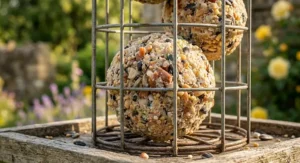
The composition matters enormously. Premium fat balls use refined beef tallow rather than cheaper alternatives like turkey fat, which doesn’t set properly and can coat birds’ feathers, compromising their insulation and flight capability. Quality manufacturers also avoid harmful fillers that bulk up the product without adding nutritional value. When you examine a superior fat ball, you should see visible seeds, grains, and other recognisable ingredients distributed throughout—not just a homogeneous brown mass.
Year-round feeding has transformed from controversial practice to accepted wisdom over recent decades. Research from the British Trust for Ornithology demonstrates that supplementary feeding benefits approximately 30 bird species in UK gardens. During spring and summer, fat balls provide crucial support during breeding season when adult birds need quick energy whilst hunting insects for their chicks. The autumn moult, when birds completely replace their feathers, demands excellent nutrition. And winter survival often depends on supplementary food sources when natural options become scarce or buried under snow.
However, seasonal considerations remain important. During very hot weather, fat-based products can melt and potentially smear onto birds’ feathers. Responsible feeding means providing shade for feeders during summer or switching to alternative foods like sunflower hearts during prolonged heatwaves. The British Trust for Ornithology recommends maintaining clean feeding stations and rotating feeder positions to prevent ground contamination beneath, reducing disease transmission risks.
Understanding these fundamentals helps you make informed choices when selecting fat balls for garden birds. The investment in quality products pays dividends through healthier, more diverse bird populations and the considerable pleasure of watching thriving wildlife in your own garden.
How to Choose the Best Fat Balls for Garden Birds: Essential Criteria
Ingredient Quality and Nutritional Content
The foundation of any excellent fat ball lies in its ingredients. Premium products clearly list their components, typically featuring beef suet (look for “human-grade” or “rendered beef tallow” as quality indicators), wheat flour, cereals, and seeds like sunflower hearts or millet. Additional protein sources such as dried mealworms or crushed peanuts enhance nutritional value, particularly during breeding season when birds need concentrated nutrition.
Avoid products containing vague terms like “animal derivatives” or excessive fillers. The best fat balls for garden birds feel substantial, display visible whole ingredients throughout, and lack an unpleasant or rancid odour. According to guidance from the British Trust for Ornithology, choosing quality ingredients ensures birds receive genuine nutritional benefit rather than just empty calories.
Weather Resistance and Structural Integrity
British weather demands fat balls that withstand rain, wind, and temperature fluctuations without immediately disintegrating into useless mush. Premium formulations maintain their shape during wet conditions, allowing birds to feed efficiently rather than struggling with slippery, dissolved product. However, they shouldn’t be so hard that small birds can’t access them—the ideal balance permits feeding whilst maintaining structure.
Test this yourself: a quality fat ball should feel firm but not rock-hard, and should show slight give when pressed. Excessively hard balls frustrate birds and may discourage visits. Reviews from UK customers provide valuable insights into real-world weather performance, so pay attention to comments about durability during typical British conditions.
Value for Money and Cost Per Ball
Whilst premium fat balls cost more per unit, they often deliver better value through higher nutritional density, superior ingredients, and enhanced durability. Calculate the actual cost per ball rather than just comparing package prices—bulk options frequently offer significant savings for active feeding stations.
Consider consumption rates too. Birds may eat through cheap fat balls more quickly because they provide less concentrated nutrition, requiring more visits to meet energy needs. Premium options that satisfy hunger more efficiently might actually last longer despite seeming expensive initially. Balance your budget against feeding goals and garden activity levels.
Packaging and Storage Considerations
Practical packaging matters more than many gardeners initially realise. Cardboard boxes, whilst traditional, can become compromised by fat seepage, attracting pests and making storage messy. Rigid plastic tubs with sealable lids protect remaining balls from moisture, maintain freshness, and often prove reusable for subsequent purchases. The additional cost of tub packaging typically justifies itself through convenience and product preservation.
Consider storage space too—bulk purchases offer excellent value but require adequate dry storage. Damp conditions can promote mould growth, whilst excessive heat may cause premature softening. Many successful bird feeders maintain a rotation system, keeping one container accessible whilst storing backup supplies in cool, dry locations.
Environmental and Ethical Considerations
Increasingly, British consumers prioritise ethical sourcing and environmental responsibility. Look for certifications like Fair to Nature accreditation, which indicates ingredients come from farms actively supporting wildlife conservation. Products manufactured in the UK typically have lower transport emissions and support British agriculture, though imported options aren’t inherently inferior if they meet quality standards.
Palm oil remains controversial in wildlife products due to deforestation concerns. Many premium manufacturers now explicitly state “palm oil free” on packaging—a reassuring detail for environmentally conscious gardeners. Similarly, products in recyclable packaging or reusable containers align better with sustainability values.
Net-Free and Mess-Free Options
Traditional fat balls came wrapped in plastic netting, but conservationists increasingly recommend net-free alternatives. Birds can become entangled in netting, risking injury or death, particularly for species like woodpeckers with sharp claws. Net-free balls work perfectly in rigid mesh feeders or can be placed on bird tables, eliminating this hazard whilst maintaining full functionality.
“No mess” variants often incorporate husk-free seeds that reduce debris beneath feeders—an advantage for gardeners concerned about unwanted seedling growth or maintaining tidy patios. However, some ground-feeding species actually benefit from dropped material, so consider your garden’s needs and preferences.
Top Bird Species Attracted to Fat Balls in UK Gardens
Fat balls for garden birds prove irresistibly attractive to numerous British species, each bringing unique behaviours and characteristics to your garden. Understanding which birds you’re likely to attract helps you appreciate the diverse wildlife community your feeding supports.
Tit Family (Blue Tits, Great Tits, Coal Tits, Long-tailed Tits)
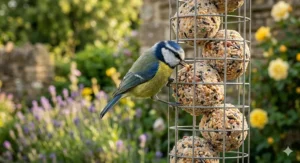
The various tit species absolutely adore fat balls, demonstrating remarkable acrobatic abilities as they cling to feeders at impossible angles. Blue tits and great tits dominate many gardens, their bold personalities and striking plumage making them perennial favourites. Coal tits, smaller and more timid, appreciate softer formulations they can successfully access. Long-tailed tits, with their impossibly lengthy tail feathers and pink-white-black colouration, often visit in charming family groups that create delightful garden spectacles.
Robins
Britain’s unofficial national bird, robins display surprising aggression despite their cuddly reputation. These territorial birds will defend “their” feeding station vigorously, though they typically prefer pecking at fat balls placed on tables rather than hanging feeders. Their melodious song and tameness make them garden favourites, and they’ll readily accept offerings year-round.
Starlings
Often underappreciated, starlings bring iridescent purple-green plumage and remarkable intelligence to fat ball feeders. They can be somewhat boisterous, occasionally monopolising feeders, but their amusing squabbles and chattering conversations provide endless entertainment. Their numbers have declined significantly in recent decades, so supporting them through supplementary feeding contributes to conservation efforts.
Woodpeckers (Great Spotted, Lesser Spotted)
The drumming sound of a great spotted woodpecker has become increasingly common in British gardens as these stunning birds adapt to urban environments. Their powerful beaks make short work of fat balls, and they’ll hang effortlessly from feeders whilst feeding. Lesser spotted woodpeckers remain rarer visitors, but quality fat balls certainly improve your chances of spotting these smaller cousins.
Finches (Greenfinches, Goldfinches, Chaffinches)
Various finch species appreciate fat balls, though they often prefer seed mixtures. Goldfinches, with their striking red faces and yellow wing bars, have become noticeably more common at garden feeders. Greenfinches sadly face population challenges from trichomonosis disease, making clean feeding stations particularly crucial. Chaffinches, one of Britain’s most colourful species, typically feed on spillage beneath hanging feeders.
Other Regular Visitors
Nuthatches, with their distinctive tree-climbing abilities, enthusiastically attack fat balls with their sharp beaks. Wrens, Britain’s commonest bird despite their tiny size, occasionally visit for quick snacks. Blackbirds and thrushes prefer ground feeding on crumbled pieces. Even house sparrows, declining nationally but still common locally, appreciate accessible fat balls.
The British Trust for Ornithology’s Garden BirdWatch project has documented over 175 species visiting British gardens over decades of systematic recording. Whilst not all of these favour fat balls, the diversity demonstrates how supplementary feeding creates genuine wildlife habitats within suburban and urban settings. Your garden might attract uncommon visitors like siskins during irruption years when northern species move south seeking food, or rare vagrants that ornithologists eagerly pursue.
Proper Fat Ball Feeding Techniques for Maximum Bird Safety and Health
Choosing and Positioning Feeders
The right feeder transforms fat ball provision from haphazard to highly effective. Rigid mesh feeders with protective roofs shield fat balls from rain whilst allowing multiple birds simultaneous access. These typically hold 4-8 balls and come in various colours, though birds care more about food than aesthetics. Position feeders approximately 2 metres (6.5 feet) from the ground, ideally near natural cover like shrubs where nervous birds can retreat if threatened, but far enough from dense vegetation to prevent cat ambushes.
Multiple feeding stations reduce competition and territorial disputes, encouraging more species to visit. Consider placing feeders at different heights—some species prefer ground-level access whilst others happily feed high up. Spacing feeders around your garden rather than clustering everything together helps reduce disease transmission risks and accommodates different bird preferences.
Maintaining Hygiene Standards
Garden Wildlife Health, a partnership between the British Trust for Ornithology and other organisations, emphasises proper hygiene as crucial for bird welfare. Clean feeders every 1-2 weeks using mild disinfectant (bird-safe products are available), rinse thoroughly, and allow complete drying before refilling. This routine prevents bacterial and fungal growth that can cause serious disease outbreaks.
Rotating feeder positions every few weeks prevents ground contamination beneath them. The accumulated droppings and spilled food beneath static feeders create disease hotspots. Simply moving feeders 1-2 metres allows the previous location to naturally decompose whilst birds feed safely elsewhere. This simple practice significantly reduces infection transmission between visiting birds.
Seasonal Feeding Considerations
Year-round feeding has become standard practice, but seasonal adjustments optimise results. During winter, maintain consistent supply—birds come to depend on regular food sources during harsh weather, and disrupting supply mid-winter can prove fatal for individuals that’ve incorporated your garden into their survival strategy. Increase provision during cold snaps when natural food becomes inaccessible.
Spring and summer feeding supports breeding efforts, but avoid whole peanuts that parents might feed to chicks (who can choke on them). Fat balls remain safe because birds instinctively break them into appropriate pieces. However, during prolonged heatwaves (above 25°C/77°F), consider providing shade for fat ball feeders or temporarily switching to sunflower hearts that won’t melt and potentially coat feathers.
Autumn feeding helps birds build reserves before winter whilst supporting the energetically demanding moult period. Many species replace every feather during autumn, requiring exceptional nutrition to grow perfect new plumage before cold weather arrives.
Addressing Common Problems
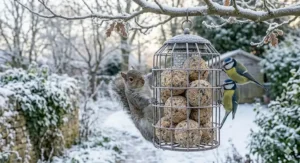
Squirrel Raiders: These resourceful mammals can devastate fat ball supplies within hours. Metal feeders with weight-sensitive perches close when heavier animals land, though determined squirrels may find creative solutions. Alternatively, position feeders on slender branches or poles with baffles that prevent climbing access. Some gardeners embrace squirrels as part of garden wildlife, providing separate feeding stations to reduce conflict.
Rat Problems: Fat balls can attract rodents, particularly if spillage accumulates. Minimise this risk by using no-mess formulations, cleaning beneath feeders regularly, and avoiding ground feeding. If rats become established, temporarily cease feeding to encourage them elsewhere, then resume with stricter hygiene protocols.
Bird Diseases: Watch for sick birds showing fluffed-up plumage, lethargy, or visible lesions. If you spot unwell individuals, immediately clean all feeders thoroughly and temporarily stop feeding for 2-3 weeks to break transmission chains. Report incidents to Garden Wildlife Health who monitor disease outbreaks and provide guidance for concerned gardeners.
Bully Birds: Dominant species like starlings or aggressive great tits may monopolise feeders. Multiple feeding stations scattered throughout your garden reduces this behaviour. Some aggressive individuals calm down once they’ve eaten their fill, allowing smaller birds access later.
Fat Balls vs Alternative Bird Foods: Comprehensive Comparison
| Food Type | Energy Content | Weather Performance | Suitable Species | Year-Round Use | Mess Factor | Cost Effectiveness |
|---|---|---|---|---|---|---|
| Fat Balls | Very High | Good (quality dependent) | Broad appeal | Yes (shade in summer) | Moderate | Excellent for energy provided |
| Sunflower Hearts | High | Excellent | Wide variety | Yes | Low (no hulls) | Good but more expensive per kg |
| Peanuts | High | Excellent | Tits, woodpeckers | Yes (crushed only in summer) | Low | Excellent value |
| Seed Mixtures | Medium-High | Good | Variable (species-specific) | Yes | High (hull waste) | Variable quality dependence |
| Mealworms | Medium | Excellent | Robins, thrushes | Yes | None | Expensive, high appeal |
| Suet Pellets/Blocks | Very High | Excellent | Similar to fat balls | Yes | Very Low | Similar to fat balls |
When Fat Balls Excel
Fat balls provide unmatched convenience for delivering high-energy nutrition with minimal effort. Their pre-formed shape works perfectly in dedicated feeders, they’re less messy than loose seeds, and their caloric density means birds get maximum nutrition per visit. For gardeners seeking simple, effective feeding that attracts diverse species, fat balls represent the optimal starting point.
The psychological aspect matters too—watching birds successfully feed from fat balls provides genuine satisfaction. Their accessibility suits multiple species simultaneously, creating lively feeding stations that justify the investment. During winter especially, when energy requirements peak, fat balls deliver precisely what birds need most.
Where Alternatives Shine
Sunflower hearts (dehulled sunflower seeds) excel in summer when fat-based products risk melting. Their high oil content provides excellent energy without weather concerns, though they cost more per kilogram. The complete absence of hull waste makes them perfect for patio feeders or situations where ground debris causes problems.
Dried mealworms attract protein-seeking species like robins and thrushes that might ignore fat balls. During breeding season, these protein-rich treats support chick-rearing efforts brilliantly. However, their premium pricing means they’re often used as supplements rather than primary food sources.
Mixed seed bags containing sunflower seeds, millet, and various grains appeal to ground-feeding species and finches. Quality matters enormously—cheap mixtures bulked up with filler grains like wheat or split peas get rejected, creating waste. Premium no-mess mixtures eliminate hulls, though they command significantly higher prices.
Creating a Balanced Feeding Programme
Most successful garden bird feeding programmes combine multiple food types rather than relying on single options. Fat balls provide your energy foundation, particularly during winter. Supplement these with sunflower hearts for broader appeal, add peanuts in mesh feeders for tit species and woodpeckers, and offer fresh water year-round for drinking and bathing.
This variety accommodates different species’ preferences whilst ensuring nutritional diversity. Ground-feeding species that rarely visit hanging feeders benefit from scattered seeds on tables or clear ground areas. Summer months might emphasise sunflower hearts and mealworms over fat balls, reverting to fat ball dominance during colder months.
According to research published in Nature Communications by British Trust for Ornithology scientists, the composition of British bird communities has become associated with long-term garden feeding practices. Your choices genuinely shape local bird populations, making thoughtful feeding programme design more important than simply providing whatever’s cheapest.
Making Your Own Fat Balls: Is It Worth the Effort?
The romantic notion of crafting homemade bird food appeals to many gardeners, but does DIY actually make sense compared to purchasing commercial fat balls for garden birds? The answer depends on your priorities, available time, and realistic assessment of the results you’ll achieve.
The Traditional Recipe
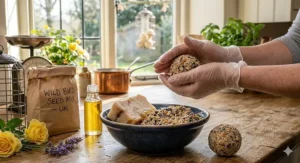
Basic homemade fat balls combine solid fat (traditionally beef suet or lard) with dry ingredients like breadcrumbs, grated cheese, dried fruit, porridge oats, and birdseed. Melt the fat, mix in dry ingredients until you achieve thick consistency, form into balls, and refrigerate until solid. Some crafters add peanut butter for extra appeal and binding properties.
Whilst this sounds straightforward, several challenges emerge. Finding quality beef suet has become harder as fewer butchers stock it, and vegetarian alternatives like coconut oil don’t set to the same firm consistency. The correct fat-to-dry-ingredient ratio requires experimentation—too much fat creates greasy, crumbly balls, whilst too little yields rock-hard products birds struggle with. Temperature control during melting proves crucial; overheating damages nutritional value and creates unpleasant odours.
Cost-Benefit Analysis
Home production theoretically costs less per ball, particularly if you use kitchen scraps like stale cake crumbs or cheese rinds. However, purchasing ingredients specifically for fat balls—quality suet, birdseed, dried fruit—often negates savings once you account for small-quantity retail pricing. Commercial manufacturers benefit from bulk purchasing and optimised formulations that home crafters can’t match.
Time investment deserves consideration too. Manufacturing even modest batches requires several hours including preparation, cooling, and cleanup. Melting fat creates distinctive odours that permeate kitchens, and cleaning greasy equipment proves tedious. For many people, their hourly earnings make purchasing commercial products more economical when time-value calculations apply.
Quality and Consistency Concerns
Commercial fat balls undergo testing to ensure nutritional adequacy, appropriate texture, and safety. Home recipes rely on guesswork and internet advice of variable reliability. Some commonly suggested ingredients like turkey fat actively harm birds by coating feathers, yet appear in numerous online recipes. Salt content in cheese or bread can pose problems if excessive. The lack of quality control means homemade balls might attract fewer birds if they’re unpalatable or provide poor nutrition.
Recent research from the British Trust for Ornithology raises questions about fat ball impacts on certain species. Whilst great spotted woodpeckers showed improved productivity when fed fat balls, blue tits and great tits demonstrated reduced breeding success. This suggests formulation matters enormously, and commercial products designed by ornithological nutritionists likely perform better than amateur efforts.
When Homemade Makes Sense
DIY fat balls excel as educational activities with children, teaching them about wildlife care whilst creating something together. The process provides valuable lessons about bird nutrition, seasonal challenges facing wildlife, and practical skills. If approached as enriching family activity rather than cost-saving measure, homemade fat balls justify the effort.
Small-scale production using leftover ingredients you’d otherwise discard makes environmental sense. Stale bread, cheese scraps, and bacon fat gain new purpose rather than entering landfills. Just ensure you avoid harmful additives like excessive salt, anything mouldy, or inappropriate fats like turkey drippings.
The Verdict
For most British gardeners, purchasing commercial fat balls for garden birds delivers better results with less hassle. The convenience, consistency, and optimised nutrition justify the modest cost, particularly when buying bulk packs that rival homemade pricing. Save your DIY enthusiasm for other garden projects, and trust that the £20-£30 you spend on quality fat balls provides months of reliable feeding that genuinely benefits your garden birds.
If you’re determined to create homemade options, consider suet cakes made in yoghurt pots or old cups rather than balls—these prove easier to shape and can hang via embedded string. Alternatively, mix purchased suet pellets with birdseed and press into moulds, combining commercial nutrition with DIY satisfaction.
Environmental Impact and Sustainability Considerations
Palm Oil and Deforestation Concerns
Palm oil production drives massive deforestation in Southeast Asian rainforests, destroying critical orangutan and other wildlife habitats. Unfortunately, many bird food products historically contained palm oil derivatives due to their low cost and suitable texture properties. Conscientious manufacturers now specifically exclude palm oil, clearly stating “palm oil free” on packaging—a detail worth checking before purchasing.
This issue illustrates broader tensions between supporting UK garden birds whilst potentially harming tropical wildlife. The most ethical choice involves selecting explicitly palm-oil-free products from manufacturers committed to sustainable sourcing. Several UK brands now use certified sustainable alternatives or exclusively British-produced fats that eliminate rainforest concerns entirely.
Local vs Imported Ingredients
Fat balls manufactured in the UK using British-sourced ingredients minimise transport emissions and support domestic agriculture. However, some premium ingredients like certain seed varieties aren’t commercially grown in Britain, necessitating imports. The environmental equation becomes complex—is locally-made product using imported seeds better than imported finished product? There’s no perfect answer, though prioritising UK manufacturing generally reduces overall environmental impact.
Look for brands explicitly supporting British farming or those with Fair to Nature accreditation, which guarantees ingredients come from farms actively creating wildlife habitats. These initiatives demonstrate commitment beyond just producing bird food, extending conservation benefits throughout the agricultural landscape where many bird species breed.
Packaging Waste and Recycling
Traditional cardboard boxes, whilst recyclable, often become contaminated by fat seepage, compromising recyclability. Plastic tubs raise different concerns—they’re durable and reusable, but represent more plastic in circulation. Some companies now offer refill programmes where you return empty tubs for discounted refills, optimising the reuse hierarchy above recycling.
Consider bulk purchasing in larger quantities less frequently, which reduces packaging per ball whilst saving money. A 100-pack in recyclable cardboard generates less waste than five 20-packs individually wrapped. Storage requirements increase, but the environmental benefit proves substantial for committed bird feeders.
Disease Management and Antibiotic Resistance
Intensive feeding stations can facilitate disease transmission among bird populations, potentially requiring antibiotic treatment for captive birds if infections spread. Some experts worry that supplementary feeding might create evolutionary pressures favouring disease-resistant strains or altering natural selection processes. Whilst these concerns remain largely theoretical for garden feeding, they highlight why proper hygiene practices matter beyond just individual bird health.
The most responsible approach combines generous feeding with rigorous cleanliness, creating beneficial feeding opportunities without unintended negative consequences. This means accepting that supplementary feeding carries responsibilities beyond simply putting out food—you’re creating an artificial food source that concentrates birds, which demands corresponding care to prevent problems.
The Bigger Picture
British gardens collectively represent significant wildlife habitat—approximately 400,000 hectares nationwide, larger than all National Nature Reserves combined. How we manage these spaces genuinely impacts bird populations and biodiversity. Supplementary feeding represents just one element, ideally complemented by planting native berry-producing shrubs, leaving seedheads on flowers through winter, maintaining areas of longer grass that support invertebrates, and providing natural water sources.
The Royal Horticultural Society emphasises that growing plants for birds creates the most sustainable feeding approach. Berry-producing species like cotoneaster, rowan, and holly support birds throughout winter, whilst native plants that host caterpillars provide crucial protein during breeding season. Fat balls and other supplementary foods then augment these natural resources rather than replacing them entirely.
Frequently Asked Questions About Fat Balls for Garden Birds
❓ How long do fat balls last once placed in feeders?
❓ Can I feed fat balls to garden birds during summer months?
❓ Should I remove the plastic netting from fat balls before feeding?
❓ What's the difference between standard and premium fat balls?
❓ Do fat balls attract rats to my garden?
Conclusion: Choosing Your Perfect Fat Balls for Garden Birds
After examining the leading products available across the UK market in 2026, several conclusions emerge for gardeners seeking the best fat balls for their feathered visitors. Quality matters significantly—premium formulations genuinely deliver better nutrition, weather resistance, and bird appeal than budget alternatives, though value options certainly have their place for cost-conscious feeding.
For most British gardens, the Peckish Natural Balance Energy Balls offer exceptional value combining quality ingredients with competitive pricing, making them ideal starting points for new bird feeders. Conservation-minded gardeners should seriously consider the RSPB Wild Bird Super Suet Fat Balls, where purchases directly fund vital conservation work whilst providing top-tier nutrition. Those managing larger gardens or multiple feeding stations will appreciate the bulk value of GardenersDream Suet Fat Balls, whilst quality enthusiasts should investigate the Suet Shop Ultimate Suet Fat Balls for premium ingredients.
The investment in quality fat balls for garden birds extends beyond personal garden enjoyment. British bird populations face numerous challenges including habitat loss, climate change, and agricultural intensification. Supplementary feeding, done responsibly with proper hygiene and appropriate products, genuinely supports bird populations through critical periods. Research demonstrates that gardens have become increasingly important habitats, and your feeding decisions directly influence local bird communities.
Remember that fat balls work best as part of comprehensive wildlife gardening approaches. Plant native berry-producing shrubs, maintain areas of longer grass that support insects, provide clean water, and create varied habitats throughout your garden. Combine natural food sources with supplementary feeding, and you’ll create genuine wildlife sanctuary that benefits birds far beyond simply providing convenient meals.
The £20-£30 you invest in quality fat balls for garden birds purchases months of entertainment, supports wildlife conservation, and connects you with nature’s rhythms through changing seasons. Whether you watch blue tits performing acrobatic feats, robins defending their territory, or woodpeckers drumming nearby trees before swooping in for a snack, these moments enrich daily life immeasurably. Choose wisely, feed responsibly, and enjoy the remarkable diversity of British birds that your garden can support.
Recommended for You
- 7 Best Wild Bird Food Options UK 2026
- 7 Best Gouldian Finch Diet Requirements UK | Complete 2026 Guide
- 7 Best Zebra Finch Food Options UK 2026
Disclaimer: This article contains affiliate links. If you purchase products through these links, we may earn a small commission at no additional cost to you. Prices shown are approximate and may vary.
✨ Found this helpful? Share it with your mates! 💬🤗
