In This Article
Standing at my kitchen window this morning, watching a charm of goldfinches work through the feeder, I noticed something rather pleasing: not a single husk littering the patio below. Three years ago, before I switched to no mess wild bird seed mix, I’d spend every Sunday sweeping up mountains of shells and watching unwanted seedlings sprout between the paving stones. The British weather doesn’t help either—those husks turn into a sodden, mouldy carpet after just one of our infamous downpours.
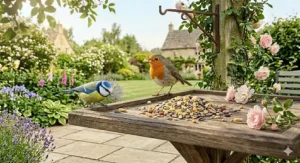
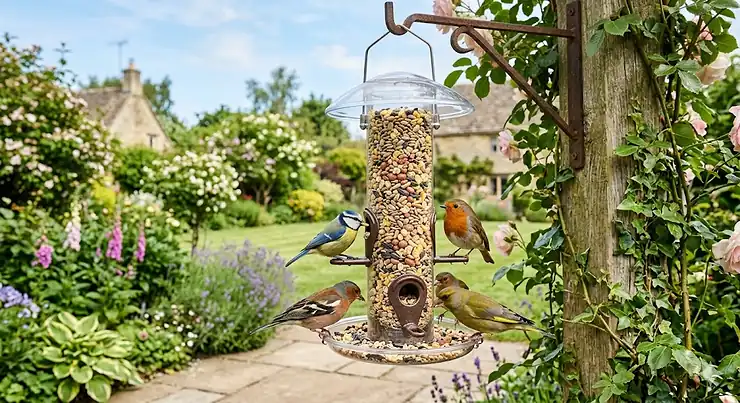
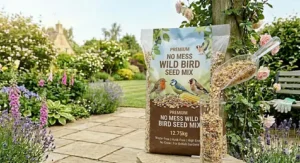
No mess wild bird seed mix has genuinely revolutionised garden bird feeding across the UK. These specially prepared blends remove the husks and shells before packaging, leaving you with 100% edible kernels that birds can consume entirely. What most UK buyers don’t initially realise is that this isn’t just about tidiness—it’s about efficiency. Birds expend considerably less energy eating dehusked seeds, which matters enormously during our damp, chilly winters when every calorie counts. According to the RSPB’s bird feeding guidance, providing high-energy food that’s easy to consume can be vital for helping British garden birds survive harsh conditions.
The shift toward no waste bird seed UK products has accelerated in 2026, driven by urban gardeners with compact patios and anyone who’s simply tired of finding sunflower seedlings sprouting through their decking. In this comprehensive guide, I’ll walk you through the seven best no mess wild bird seed mix options available on Amazon.co.uk, plus everything you need to know about choosing, using, and maximising these cleaner feeding solutions for your British garden.
Quick Comparison: Top No Mess Bird Seeds at a Glance
| Product | Key Feature | Price Range | Best For |
|---|---|---|---|
| Happy Beaks No Mess Mix | Premium sunflower hearts blend | £25-£35 | Year-round feeding |
| Johnston & Jeff No Grow | GERMI-NOT technology | £20-£30 | Preventing garden growth |
| Gardman No Mess Mix | High oil content | £18-£28 | Budget-conscious buyers |
| Copdock Mill No Mess | UK-blended formula | £22-£32 | Supporting British suppliers |
| Peckish Complete Mix | 12-seed variety | £15-£25 | Attracting diverse species |
| Leagrams Premium Mix | Heat-treated seeds | £18-£28 | Patio feeding |
| RSPB No Grow Mix | Conservation-focused | £20-£30 | Supporting RSPB charity |
💬 Just one click — help others make better buying decisions too! 😊
Top 7 No Mess Wild Bird Seed Mix: Expert Analysis
1. Happy Beaks No Mess Wild Bird Seed
If you’re seeking a premium quality mix that genuinely delivers on the “no mess” promise, Happy Beaks No Mess Wild Bird Seed sits at the top of my recommendation list. This 14kg offering contains a carefully balanced blend of sunflower hearts, peanut bites, suet pellets, and grains—all dehulled and heat-treated to prevent germination.
The mix provides exceptional nutritional density with high oil content essential for British birds facing our unpredictable weather. What sets Happy Beaks apart is their consistent kernel sizing; smaller fragments mean less scatter when birds feed, which is particularly valuable if you’re feeding on a balcony or compact patio in a terraced property. The sunflower hearts dominate the mix (roughly 40%), making it irresistible to finches, tits, and sparrows—species you’ll commonly find in British gardens.
UK customer feedback consistently praises the cleanliness factor, with gardeners in Manchester and Birmingham reporting virtually zero mess beneath feeders even after weeks of heavy feeding. One Bristol-based reviewer mentioned attracting wrens and nuthatches for the first time, likely because the easy-eating format allows smaller species to compete more effectively. The only minor criticism centres on dustiness—like most no mess mixes, there’s some fine powder at the bag’s bottom, though this settles rather than creating airborne mess.
Pros:
✅ Genuinely mess-free performance in wet British conditions
✅ Attracts 15+ garden bird species including shy varieties
✅ Heat-treated to prevent sprouting in damp UK gardens
Cons:
❌ Slight dust accumulation in feeder base
❌ Premium pricing compared to standard mixes
At around £30-£35 for 14kg, this represents solid value considering you’re getting 100% edible content with zero waste. For urban gardeners or anyone with limited outdoor space, the cleanliness factor alone justifies the investment.
2. Johnston & Jeff No Mess, No Grow Wild Bird Food
Johnston & Jeff No Mess, No Grow brings genuine innovation with their GERMI-NOT technology—specially treated ingredients that absolutely will not germinate even in the consistently damp British climate. This 12.75kg mix combines sunflower hearts, berry suet pellets, and peanut granules in eco-friendly recyclable paper packaging.
What most buyers overlook about this mix is the berry suet pellets addition—these provide crucial fat content during winter whilst remaining mess-free, unlike traditional suet blocks that can create greasy residue in rain. The GERMI-NOT treatment matters enormously if you’ve previously battled forests of sunflower seedlings sprouting beneath feeders; one Edinburgh gardener reported zero growth after six months of daily feeding, even in a particularly wet Scottish spring.
The premium wild bird mix formula contains higher protein levels than budget alternatives, supporting birds through moulting season and breeding periods. Customers in rural Wales and the Scottish Highlands particularly appreciate this blend, noting that it sustains birds through extended harsh weather without creating the mess that attracts rats—a real concern in countryside locations with limited waste collection.
The mix performs exceptionally well in all feeder types: seed feeders, bird tables, and ground feeding. However, larger birds like wood pigeons will occasionally scatter smaller seeds whilst targeting suet pellets, though this is minimal compared to husked alternatives.
Pros:
✅ GERMI-NOT technology prevents all garden growth
✅ High protein content supports breeding birds
✅ Eco-friendly recyclable packaging
Cons:
❌ Slightly higher price point for technology
❌ Can attract pigeons if not using selective feeders
Priced in the £20-£30 range for 12.75kg, Johnston & Jeff offers the best germination-prevention guarantee on the UK market—worth every penny if you’re maintaining pristine paving or artificial lawn.
3. Gardman No Mess Seed Mix
For those seeking proven British brand reliability, Gardman No Mess Seed Mix delivers consistent quality at mid-range pricing. This 12.75kg blend focuses on oil-rich sunflower hearts and peanut bites, providing straightforward nutrition without unnecessary filler ingredients that some budget mixes include.
Gardman’s strength lies in their decades of understanding British bird feeding habits. The mix attracts blue tits, great tits, and chaffinches reliably—the backbone species of UK gardens. What I particularly appreciate is the lack of wheat and filler grains that birds often reject anyway, leaving mess beneath feeders. The spec sheet won’t tell you this, but Gardman sources primarily from European suppliers with stringent quality controls, meaning fresher seeds that birds actually consume rather than discard.
UK customers report this performs better than varieties with husks, particularly noting reduced cleanup time and no sprouting issues. One Manchester-based gardener mentioned filling feeders less frequently because birds consume everything offered—the true measure of a quality mix. In the damp North West climate where mould can develop rapidly on rejected seeds, this efficiency matters enormously.
The formula works brilliantly for bird tables and ground feeding, though some buyers note it contains occasional small fragments that can create minimal dust. This is standard across most no mess products and isn’t a significant drawback in practical use.
Pros:
✅ Established British brand with consistent quality
✅ Zero filler ingredients means genuine value
✅ Attracts core UK garden bird species reliably
Cons:
❌ Limited variety compared to premium mixes
❌ Some fine fragments at bag bottom
Around £18-£28 for 12.75kg positions Gardman as excellent value, particularly for new bird feeders wanting reliable results without premium pricing.
4. Copdock Mill Pet Performance No Mess Bird Seed Mix
Copdock Mill Pet Performance brings 40 years of British bird feed expertise to this 20kg no mess offering. Blended in the UK as part of the Copdock Mill family tradition, this mix contains protein-rich peanut granules alongside zero-husk sunflower hearts and speciality grains.
What distinguishes Copdock Mill is their commitment to local blending—ingredients are sourced internationally for quality but mixed in British facilities, ensuring freshness that matters when you’re buying larger quantities. The 20kg size suits committed bird feeders or those with multiple feeding stations, offering better value per kilogram than smaller packs. In my experience, this quantity stays fresh for roughly 6-8 weeks when stored properly in a dry shed or garage—crucial in British conditions where damp can spoil seeds quickly.
The peanut granule inclusion provides essential protein that supports garden birds through our comparatively mild but energy-sapping winters. Robins, blackbirds, tits, finches, sparrows, thrushes, and siskins all feature prominently in customer reports from across England, Scotland, and Wales. One Yorkshire-based feeder noted attracting long-tailed tits for the first time, attributing this to the easy-eating format that suits their delicate feeding style.
Customer experiences with mess levels are mixed, with several reporting it’s not completely dust-free and can occasionally clog feeders. This appears related to batch variation rather than consistent quality issues—worth noting if you’re particularly sensitive to dust or have respiratory concerns.
Pros:
✅ UK-blended for freshness and quality control
✅ 20kg bulk size offers better value
✅ Attracts diverse species including shy varieties
Cons:
❌ Some batches contain dust that clogs feeders
❌ Requires dry storage space for bulk quantity
Priced around £22-£32 for 20kg, Copdock Mill delivers excellent cost-per-kilogram value for established feeding programmes, though first-time buyers might prefer starting with smaller quantities to confirm their garden birds’ preferences.
5. Peckish Complete Seed and Nut No Mess Mix
Peckish Complete Seed and Nut stands out with its ambitious 12-seed variety formula, enriched with vitamins and nutrients specifically formulated for British garden birds. The 12.75kg bag contains kibbled wheat, red millet, red dari, kibbled maize, sunflower hearts, flaked naked oats, and more—all dehusked for zero waste.
The unique selling point here is Peckish’s vitamin enrichment: carotenoids for feather colour and sun protection, calcium for bone and feather growth plus egg production, and vitamins A, D, E, and biotin for overall health. This nutritional approach addresses the reality that natural food resources have become scarcer across the UK due to urbanisation and agricultural changes—supplementary feeding now plays a vital role in garden bird survival.
Customer feedback highlights that birds genuinely love this seed mix, with feeders emptying rapidly across diverse UK locations from Cornwall to the Scottish Highlands. The variety attracts a wide range of species, though some gardeners note birds can be selective, digging for preferred seeds and flicking aside others. This selective feeding can create some scatter, though significantly less than husked alternatives.
The resealable packaging is rather good for maintaining freshness between refills—a thoughtful touch missing from some competitors using basic paper bags. However, mixed reviews about mess levels suggest experiences vary depending on feeder type and bird behaviour in specific gardens.
Pros:
✅ 12 different seeds attract maximum species diversity
✅ Vitamin enrichment supports bird health year-round
✅ Resealable packaging maintains seed freshness
Cons:
❌ Selective feeding can create modest scatter
❌ Some batches contain excessive dust or small seeds
At roughly £15-£25 for 12.75kg, Peckish represents budget-friendly pricing with enhanced nutrition—ideal for families wanting to support garden birds without significant expense.
6. Leagrams Premium No Grow No Mess Mix
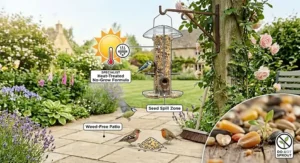
Leagrams Premium No Grow No Mess targets gardeners specifically concerned about weed growth and feeding area cleanliness. This 12.55kg mix contains wheat, split maize, sunflower chips, flaked naked oats, kibbled peanuts, pinhead oats, and berry suet pellets—all carefully cut or heat-treated to prevent germination.
The heat treatment process is particularly effective in British conditions where even “no grow” claims can prove optimistic during wet springs. One customer in the Lake District reported no sprouting issues despite heavy rainfall and rich soil beneath feeders—testament to the treatment’s effectiveness. The berry suet pellets add visual appeal and fat content without the melting issues traditional suet balls suffer in warmer months.
Garden birds appear to relish this mix, with customers across the UK reporting rapid consumption and variety of visiting species. The blend works brilliantly in seed feeders, on bird tables, and for ground feeding—versatility that suits different garden layouts and bird feeding preferences. However, experiences with the “no grow” promise are mixed, with some buyers noting trace germination, suggesting heat treatment effectiveness may vary between batches.
The multi-wall paper bag packaging provides adequate protection during delivery, though lacks the resealability of some premium competitors—worth transferring to sealed containers upon arrival to maintain freshness in damp British storage conditions.
Pros:
✅ Heat treatment effective for most UK climates
✅ Berry suet pellets add variety and fat content
✅ Excellent value for money per kilogram
Cons:
❌ Some batches show trace germination
❌ Packaging lacks reseal convenience
Priced in the £18-£28 range for 12.55kg, Leagrams offers solid middle-ground value, particularly for those prioritising germination prevention over absolute premium quality.
7. RSPB No Grow Bird Seed Mix
RSPB No Grow Bird Seed Mix combines effective no-mess feeding with charitable support for British bird conservation. This 5.5kg offering contains sunflower hearts and rolled oats, all made in the UK to RSPB’s exacting standards for both bird nutrition and environmental responsibility.
What you’re buying here extends beyond simple bird feed—every purchase supports the RSPB’s vital conservation work protecting British bird populations and habitats. This matters enormously in 2026, with species like greenfinches having declined by over 67% since the Big Garden Birdwatch began in 1979, largely due to disease spread at poorly maintained feeding stations. The RSPB’s current feeding guidance emphasises seasonal feeding and hygiene—principles reflected in their product formulations.
The mix is genuinely nutritious, though some customers report birds showing preference for pure sunflower hearts over this blended approach. The smaller 5.5kg size suits casual feeders or those wanting to try RSPB products without committing to bulk quantities. The rolled oats inclusion provides easily digestible carbohydrates particularly valuable during cold British winters when birds need quick energy.
Customer experiences suggest this works best supplementing rather than replacing a primary feeding programme—use it to support the RSPB whilst maintaining variety in your feeding stations.
Pros:
✅ Purchases directly support UK bird conservation
✅ Made in Britain to high environmental standards
✅ Smaller size ideal for trial purchases
Cons:
❌ Some birds prefer pure sunflower hearts
❌ Higher cost per kilogram than bulk alternatives
Around £20-£30 for 5.5kg positions this as premium pricing, though the conservation contribution justifies the expense for ethically-minded bird lovers wanting their purchases to make broader environmental impact.
Understanding No Mess vs Traditional Bird Seed: A British Garden Perspective
Walking through any British garden centre, you’ll find shelves groaning with bird seed options, but the fundamental choice boils down to husked versus dehusked—and this decision profoundly affects your garden maintenance routine and bird feeding efficiency.
Traditional bird seed contains whole seeds with husks intact. Birds crack these open, consume the kernel, and discard the shells beneath your feeders. In theory, natural decomposition handles this waste. In British reality—where we endure months of drizzle followed by weeks of downpour punctuated by occasional biblical flooding—those husks become sodden, mouldy messes that stain paving, clog drains, and create ideal conditions for disease transmission. The germination factor compounds this: sunflower seedlings sprouting through decking gaps or artificial lawns represent more than aesthetic nuisance; they’re genuine maintenance headaches requiring repeated removal.
No mess wild bird seed mix eliminates these issues by removing husks and shells before packaging. You’re left with pure kernels—sunflower hearts, peanut granules, dehusked millet—that birds consume entirely. The practical advantages multiply in British contexts:
Energy efficiency: British winters aren’t Siberian in temperature but they’re energy-sapping through persistent damp cold. Birds expend considerable calories cracking husks in freezing conditions; providing dehusked seeds conserves energy they desperately need for maintaining body temperature during 16-hour winter nights.
Hygiene benefits: The RSPB has recently updated guidance following concerning greenfinch population declines linked to disease spread at feeding stations. Removing husks reduces moisture retention beneath feeders where trichomonosis and other pathogens thrive—particularly relevant in our wet climate where “dry” feeding areas barely exist between October and March.
Garden aesthetics: In urban British gardens where outdoor space is measured in square metres rather than acres, maintaining tidy feeding areas isn’t vanity—it’s neighbourly consideration. Terraced properties with shared walls and overlooked gardens demand tidier feeding solutions than traditional husked seeds provide.
Cost analysis: Initially, no mess options appear expensive—roughly 30-40% premium over standard mixes. However, you’re paying for 100% edible content versus perhaps 60% with husked alternatives where 40% becomes waste. Calculated per consumed kernel, pricing equalises whilst convenience and cleanliness tip decisively toward no mess formats.
The transition from husked to husk-free feeding transformed my Manchester garden from a Sunday morning sweeping ritual into genuinely low-maintenance bird support. Three years in, I’ve not swept beneath feeders once—occasional rain washes away the minimal dust that accumulates, whilst the paving remains pristine and seedling-free.
How to Choose No Mess Wild Bird Seed Mix for UK Gardens
Selecting optimal no mess bird seed requires understanding your specific British garden context—urban versus rural, local bird populations, feeding infrastructure, and seasonal considerations all influence which products deliver best results.
1. Assess Your Primary Bird Species
British gardens host different bird populations depending on geography and habitat. Urban London gardens attract house sparrows, starlings, and robins predominantly, whilst Scottish Highland properties might see siskins, coal tits, and occasionally crossbills. Survey your regular visitors over several weeks before purchasing—this informs seed selection.
Finch-heavy gardens benefit from sunflower heart-dominant mixes like Happy Beaks or Gardman. Tit-focused locations (blue, great, coal, long-tailed) appreciate peanut granule additions found in Copdock Mill. Broader species variety suggests comprehensive mixes like Peckish Complete with their 12-seed approach.
2. Consider Garden Size and Storage
Bulk 20kg options deliver superior value but demand dry storage—challenging in terraced properties lacking garages or sheds. British damp penetrates inadequately sealed containers remarkably quickly; seeds exposed to moisture develop mould within weeks, becoming dangerous for birds rather than beneficial.
Smaller gardens or balcony feeding suits 5.5-12.75kg quantities that you’ll consume within 4-6 weeks, maintaining freshness without requiring substantial storage infrastructure. Transfer opened bags to sealed containers immediately—rodent-proof metal bins work brilliantly for outdoor storage.
3. Evaluate Germination Concerns
If you’re maintaining artificial lawn, pristine paving, or decking, germination-prevention technology becomes priority rather than optional extra. Johnston & Jeff’s GERMI-NOT treatment or Leagrams’ heat processing methods genuinely prevent sprouting, whilst cheaper alternatives’ “no grow” claims can prove optimistic in wet British conditions.
Ground-feeding on natural lawn presents fewer concerns—the occasional sunflower seedling simply becomes lawn clipping fodder. Containerised feeding on patios or balconies demands absolute germination prevention; scattered seeds falling into cracks create maintenance nightmares.
4. Factor in Seasonal Feeding Patterns
The RSPB’s updated guidance recommends seasonal feeding adjustments—mealworms and suet during winter breeding support, transitioning to alternative foods May-October to reduce disease transmission. No mess mixes containing suet pellets like Johnston & Jeff work brilliantly for winter feeding but consider rotating to sunflower heart-only options during summer months.
British birds face year-round energy challenges rather than extreme seasonal variations—our temperate but unpredictable climate means feeding support benefits birds throughout all seasons, unlike continental climates where summer feeding may be unnecessary.
5. Budget Realistically for Quality
Cheap no mess options often contain excessive filler grains, dust, or compromised ingredients that birds reject. The £15-£18 per 12kg threshold typically indicates budget quality with variable results, whilst £20-£30 represents reliable mid-range products, and £30+ enters premium territory with enhanced nutrition or ethical sourcing.
Calculate cost-per-consumed-kernel rather than headline price—Happy Beaks at £32 for 14kg with 100% consumption beats £18 products where birds reject 30% content. British garden bird feeding represents ongoing commitment rather than one-off purchase; prioritising quality delivers better results and ultimately better value.
Setting Up Your No Mess Feeding Station: A Practical Guide
Transitioning to husk-free bird seed represents just one component of effective British garden bird support—feeder placement, hygiene practices, and seasonal adjustments complete the picture.
Feeder Selection and Positioning
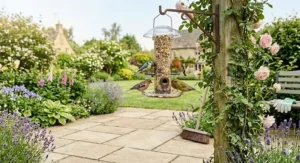
Seed feeders with drainage holes work essential in British conditions where even covered positions experience moisture penetration during driving rain. The RSPB recommends positioning feeders carefully to balance accessibility for birds against predation risks—roughly 2 metres from potential cat launch points but near enough to shrub cover for quick retreat from sparrowhawks.
Urban gardens benefit from multiple smaller feeders distributed across available space rather than single large stations. This reduces competition, allows diverse species to feed simultaneously, and minimises congregation that promotes disease transmission—increasingly important given recent greenfinch decline concerns.
Hygiene Protocol
Clean feeders weekly using mild (5%) bleach solution, brushing thoroughly to remove compacted seed residue where pathogens proliferate. This matters enormously—salmonella outbreaks at feeding stations particularly affect house sparrows and greenfinches, species already under pressure from habitat loss and disease.
British weather makes this weekly cleaning non-negotiable; damp conditions accelerate bacterial growth compared to drier continental climates. Rotate feeding areas every few months to prevent ground contamination build-up beneath regular feeding spots.
Quantity Management
Fill feeders with quantities birds consume within 2-3 days maximum. Excessive seed sitting in feeders during wet weather develops mould rapidly—harmful to birds and wasteful financially. Monitor consumption patterns over several weeks, adjusting quantities to maintain fresh supply without surplus accumulation.
This approach works particularly well with no mess varieties where you’re paying premium prices for quality—ensuring birds consume everything offered maximises your investment whilst supporting their health optimally.
Seasonal Adjustments for British Climate
Winter (November-March): Increase feeding substantially. British winter temperatures rarely reach continental extremes but persistent cold and damp demand constant energy expenditure. High-fat content mixes like those containing suet pellets support birds through extended dark hours—our latitude means only 7-8 hours daylight at winter solstice, leaving 16+ hours birds must survive on stored energy.
Spring/Summer (April-October): Following updated RSPB guidance, reduce seed and peanut feeding May-November, switching to mealworms, suet products, and encouraging natural food sources through bird-friendly planting. This adjustment reduces disease transmission risks during critical breeding periods whilst still supporting parent birds raising chicks.
The key insight British feeders must embrace is that our climate demands year-round support rather than winter-only feeding—birds benefit from supplementary food throughout all seasons, though the specific foods and quantities should vary responding to breeding cycles and disease risk periods.
Common Mistakes When Buying No Mess Bird Seed
Even experienced British bird feeders fall into predictable traps when selecting no mess products—awareness of these pitfalls saves money and improves results.
Assuming All “No Mess” Claims Are Equal
Marketing promises vary wildly from reality across manufacturers. Some products labelled “no mess” simply mean reduced mess compared to husked varieties—they still contain fragments, dust, or partial husks creating modest scatter. Genuine no mess options like Happy Beaks or Johnston & Jeff undergo rigorous dehusking leaving virtually zero waste, whilst budget alternatives often compromise on processing thoroughness to hit lower price points.
Read customer reviews specifically mentioning mess levels rather than trusting packaging claims. British buyers reviewing on Amazon.co.uk provide honest assessments of how products perform in real garden conditions—particularly valuable given our wet climate that makes any mess more problematic than in drier regions.
Ignoring Dust Content
Virtually all no mess mixes contain some dust—the inevitable by-product of processing whole seeds into kernels. However, excessive dust indicates quality issues: either over-processed seeds fragmented beyond usefulness, or excessive filler material ground too finely. This dust clogs feeder mechanisms, creates airborne mess during refilling, and can harbour pathogens in damp British conditions.
Premium products minimise dust through careful processing and quality ingredient selection. If you’re particularly sensitive to dust (respiratory concerns, indoor storage near living spaces), prioritise premium options with customer feedback specifically noting minimal dust content.
Overlooking Storage Requirements
British damp represents no mess seed’s primary enemy—moisture penetration causes rapid deterioration. Purchasing 20kg bulk quantities without adequate dry storage infrastructure wastes money when seeds develop mould before consumption. Metal bins with rubber-sealed lids work brilliantly; cheaper plastic containers often fail to exclude moisture adequately in shed or garage storage.
Many British properties lack ideal storage—terraced houses without gardens, flats with limited outside space. For these situations, smaller 5.5-12.75kg quantities purchased more frequently maintain freshness better than bulk buying with inadequate storage.
Neglecting Nutritional Content
Not all no mess mixes provide equivalent nutrition—some emphasise variety (12+ seed types) whilst others focus on high-energy density (sunflower hearts and peanuts predominantly). British winter conditions demand high-fat content supporting birds through cold damp nights; cheaper mixes bulked out with low-energy grains like millet and wheat don’t deliver sufficient nutritional value for the premium pricing.
Examine ingredient lists favouring sunflower hearts, peanut granules, and suet pellets—these high-oil components provide energy British birds need. Wheat and millet serve as filler reducing per-kilogram costs but also reducing nutritional benefit per consumed calorie.
Underestimating Germination in British Climate
Our persistently damp conditions mean seeds treated as “no grow” in testing environments might still germinate in real-world British garden scenarios. Heat treatment effectiveness varies between manufacturers and batches—even reputable brands occasionally show trace germination according to customer reports.
If germination concerns are critical (artificial lawn, pristine paving, decking maintenance), test new products in controlled locations initially before committing to bulk purchases and widespread feeding across your garden.
Sunflower Hearts vs Shells: What British Birds Actually Prefer
The sunflower heart versus whole sunflower seed debate illuminates why no mess formats work so effectively for British conditions and bird species.
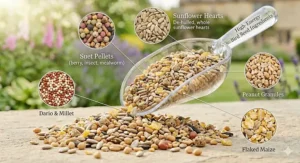
Whole black sunflower seeds with shells intact represent traditional bird feeding—birds crack shells, consume kernels, discard husks. In theory, natural and economical. In British practice, those discarded shells create persistent mess aggravated by rain, whilst germination produces rampant sunflower seedlings requiring repeated removal from lawns and paving cracks.
Sunflower hearts—the same seeds with husks removed—eliminate both issues whilst delivering additional advantages British garden birds particularly appreciate:
Energy efficiency: Cracking shells demands energy expenditure. For a blue tit weighing roughly 11 grams, this represents meaningful caloric cost. During British winter with its limited daylight feeding window (7-8 hours at solstice), eliminating shell-cracking allows birds to consume more nutrition per available feeding hour. This matters enormously during sustained cold damp periods common across UK autumn and winter.
Accessibility for smaller species: Sunflower hearts level the feeding hierarchy. Larger birds like great tits, greenfinches, and house sparrows dominate whole seed feeders, monopolising prime positions and leaving smaller species—coal tits, long-tailed tits, wrens—struggling for access. Hearts can be consumed rapidly without protracted shell-cracking, allowing smaller, shyer species to grab food quickly and retreat to cover rather than remaining vulnerable at exposed feeders.
Reduced waste and disease vectors: The RSPB’s recent guidance highlighting disease transmission concerns emphasises hygiene at feeding stations. Discarded shells accumulate moisture, creating pathogen reservoirs particularly problematic in British damp. Hearts consumed entirely eliminate this disease vector whilst simultaneously reducing rodent attraction—scattered shells beneath feeders draw mice and rats seeking overlooked fragments.
Practical observation from UK gardens: Customer feedback across reviewed products consistently reports sunflower heart-dominant mixes attract wider species variety than whole seed alternatives. Personal experience mirrors this—after switching from whole to heart-based mixes, my Manchester garden went from hosting primarily sparrows and starlings to regular visits from goldfinches, nuthatches, and even occasional siskins previously absent from the feeding station.
The cost differential (roughly 40-50% premium for hearts versus whole seeds) initially appears significant. However, calculated per consumed kernel accounting for waste elimination, pricing converges whilst convenience and bird health benefits overwhelmingly favour hearts. In British garden contexts where mess prevention and garden maintenance matter alongside bird support, sunflower hearts represent the single most effective upgrade from traditional feeding methods.
Frequently Asked Questions
❓ What is the best no mess bird seed for UK gardens?
❓ Does no mess bird seed actually prevent garden growth?
❓ Is husk-free bird seed worth the extra cost in the UK?
❓ Can I use no mess bird seed in all feeder types?
❓ When is the best time to use no mess wild bird seed mix?
Conclusion: Transforming Your British Garden Bird Feeding
Three years into no mess feeding, my Manchester garden hosts species I’d never previously seen—nuthatches, goldfinches, and a resident robin so tame he’ll take mealworms from my hand. The patio remains pristine despite daily feeding, the artificial lawn shows zero sprouting, and my Sunday mornings now involve watching birds rather than sweeping husks.
The seven no mess wild bird seed mix options reviewed above represent the cream of what’s available on Amazon.co.uk in 2026, each suited to different British garden contexts and feeding priorities. Happy Beaks and Johnston & Jeff lead for premium quality and comprehensive species attraction, whilst Gardman and Leagrams deliver excellent value for budget-conscious feeders unwilling to compromise on cleanliness. The RSPB option combines effective feeding with charitable support for bird conservation—particularly relevant given concerning population declines affecting species like greenfinches.
Remember that no mess seed represents one component of responsible British bird feeding. Combine quality products with weekly feeder cleaning, appropriate seasonal adjustments following RSPB guidance, and positioning that balances accessibility against predation risks. Maintain realistic feeding quantities birds consume within 2-3 days, preventing waste and moisture-related mould development endemic in our damp climate.
Your garden can become a vital refuge for British birds facing habitat loss, climate pressures, and disease challenges. By choosing appropriate no mess products and implementing hygiene-conscious feeding practices, you’re supporting wildlife whilst maintaining the tidy outdoor spaces our compact British properties demand. The birds queuing at your feeders each morning represent your contribution to conservation—one sunflower heart at a time.
Recommended for You
- 7 Best Dried Mealworms for Birds UK 2026
- 7 Best Niger Seed for Goldfinches UK: 2026
- 7 Best Fat Balls for Garden Birds UK 2026
Disclaimer: This article contains affiliate links. As an Amazon Associate, I earn from qualifying purchases. If you purchase products through these links, we may earn a small commission at no additional cost to you.
✨ Found this helpful? Share it with your mates! 💬🤗
