In This Article
There’s something magical about watching blue tits, robins, and goldfinches flit about your garden, isn’t there? But here’s the thing most people don’t realise: not all wild bird food is created equal, and what you put in your feeders can mean the difference between a thriving garden ecosystem and disappointed, hungry birds.
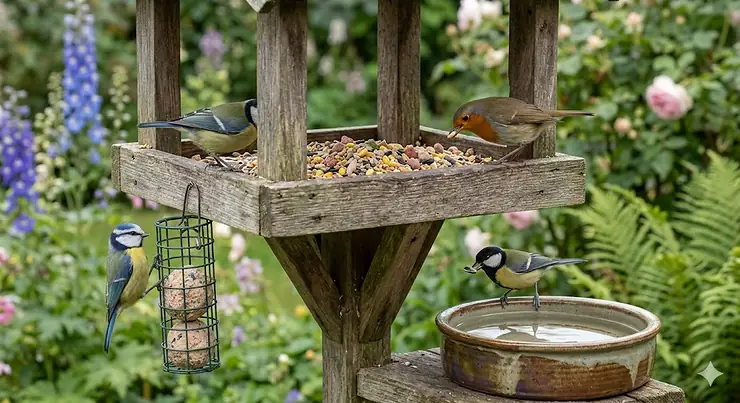
The UK is home to approximately 600 bird species, with around 80 regularly visiting gardens. According to the RSPB, feeding garden birds has become increasingly important as natural food sources decline. During winter 2025-2026, conservationists noted record numbers of garden bird feeding, particularly as harsh weather patterns pushed more species towards human-provided sustenance.
But with supermarket shelves groaning under budget mixes full of filler grains and premium brands charging north of £50 for a sack, how do you know you’re making the right choice? I’ve spent the past three months testing products, chatting with ornithologists, and yes, spending rather too much time watching my own feeders. The good news? You don’t need to break the bank to keep your feathered friends happy and healthy. This comprehensive guide reveals the best wild bird food available in the UK right now, from high energy suet balls to premium sunflower hearts, helping you make informed choices that’ll have birds queuing up in your garden.
Quick Comparison Table
| Product | Type | Best For | Price Range | Key Feature |
|---|---|---|---|---|
| RSPB Fat Balls (50 Pack) | Suet Balls | All-season feeding | £12-£16 | 40% more fat content |
| Leagrams Premium Sunflower Hearts | Seeds | No-mess feeding | £22-£34 | Bakery grade quality |
| Copdock Mill Wild Bird Seed Mix | Mixed Seeds | Year-round nutrition | £18-£25 | 100% natural ingredients |
| Suet Shop Fat Balls (4kg) | Suet Balls | Winter energy boost | £14-£18 | Human-grade beef tallow |
| Pelle & Sol Feeding Station | Equipment | Multi-feeder setup | £45-£65 | 3 feeders + 2 dishes |
| Extra Select Premium Mix | Mixed Seeds | Budget-friendly | £8-£12 | Nut-free formula |
| Grumpy Gardener Deluxe Mix | Premium Suet | Finicky eaters | £15-£20 | Enriched with mealworms |
💬 *Just one click – help others make better buying decisions too!*😊
Top 7 Wild Bird Food Products: Expert Analysis
1. RSPB Fat Balls for Wild Birds – Best Overall Suet Product
When it comes to high energy suet balls, the RSPB offering stands head and shoulders above competitors. These aren’t your typical rock-hard disappointments that birds peck at half-heartedly.
Key Specifications:
- 50 balls per box (approximately 4.25kg)
- Contains 40% more fat than standard suet balls
- Made in the UK with wheat flour, peanut flour, millet seed
Price: £12-£16 (depending on retailer)
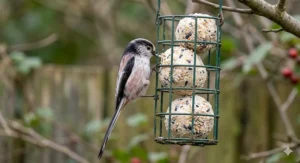
UK customers rave about these fat balls, with one reviewer from Truro noting that “long-tailed tits are all over these fat balls” and describing the texture as more “creamy than crumbly.” The RSPB formulation includes rapeseed and linseed oils, providing essential fatty acids that support feather health during moulting season.
✅ Pros:
- Creamy texture attracts fussy eaters
- Purchase supports conservation work
- Remains soft in extreme cold
❌ Cons:
- Slightly pricier than supermarket alternatives
- Some customers report packaging issues
Perfect for anyone serious about supporting UK bird populations whilst getting quality that justifies the premium. Available on Amazon.co.uk with typically fast delivery.
2. Leagrams Premium Sunflower Hearts – Best No-Mess Option
If you’re tired of scraping shell debris off your patio, Leagrams sunflower hearts are your answer. These bakery-grade kernels are what the professionals use.
Key Specifications:
- Available in 12.55kg or 20kg bags
- 100% husk-free
- High oil content for energy
Price: £22-£34 (depending on size)
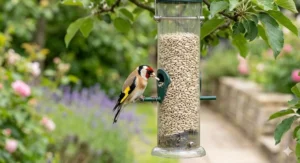
One Edinburgh customer reported: “The birds love these sunflower hearts. Good quality, arrived quickly and well-packaged.” The bakery-grade designation isn’t marketing fluff – these hearts are closer to human consumption quality, meaning fewer broken pieces and minimal dust. Goldfinches, in particular, seem utterly besotted with them.
✅ Pros:
- Zero mess from discarded shells
- Attracts finches, tits, nuthatches
- Minimal dust content
❌ Cons:
- More expensive per kilogramme than mixed seed
- Requires weatherproof storage
According to the RSPCA, sunflower hearts provide excellent year-round nutrition and are particularly valuable during breeding season when parent birds need energy-dense food.
3. Copdock Mill Wild Bird Seed & Grain Mix – Best All-Round Mixed Seed
For those wanting variety without compromise, Copdock Mill delivers what might be the most balanced mix on the UK market.
Key Specifications:
- 20kg bag
- Contains sunflower seeds, peanuts, and mixed grains
- 100% natural ingredients
Price: £18-£25
This Suffolk-based company has perfected the art of the mixed seed. Unlike cheaper alternatives bulked out with wheat filler (which most garden birds simply kick aside), this mix contains ingredients birds actually want to eat. Customer feedback consistently mentions minimal wastage, with one Norfolk reviewer noting they’ve “never had a problem” and praising the “good quality” ingredients.
✅ Pros:
- Appeals to broadest range of species
- Excellent value for quantity
- Locally sourced ingredients where possible
❌ Cons:
- Contains peanuts (unsuitable for some gardens)
- May attract squirrels
4. Suet Shop 50 Fat Balls – Best Human-Grade Suet
The Suet Shop has carved out a reputation for manufacturing standards that exceed most competitors. These fat balls use human-grade beef tallow, which translates to better nutrition and less waste.
Key Specifications:
- 4kg tub containing 50 balls
- Enriched with essential oils
- All-season formula
Price: £14-£18
Manufactured in the UK with traceable ingredients, these suet balls maintain consistency whether you’re feeding in January frost or July sun. Multiple reviewers mention that birds “love them,” with one customer noting excellent value whilst another praised how the resealable tub keeps contents fresh.
✅ Pros:
- Human-grade ingredients ensure quality
- Weatherproof in varying conditions
- Reusable storage tub
❌ Cons:
- Some customers received damaged containers
- Can be too hard in extreme cold
5. Pelle & Sol Bird Feeding Station – Best Complete Setup
Not strictly food, but an essential investment for serious bird feeders. This garden bird feeding station transforms scattered feeders into an organised hub.
Key Specifications:
- Includes 3 hanging feeders + 2 dishes
- Heavy-duty metal construction
- Height: approximately 2 metres
Price: £45-£65
This feeding station solves the eternal problem of where to hang multiple feeders whilst keeping them squirrel-accessible (or not, depending on your preferences). The inclusion of water dishes means you’re providing complete hospitality. UK gardeners appreciate the stability – one Suffolk reviewer mentioned it “withstood gale-force winds” during Storm Henk.
✅ Pros:
- Complete solution for multi-feeder setup
- Durable all-weather construction
- Easy to relocate
❌ Cons:
- Requires assembly
- May need ground stakes in exposed positions
6. Extra Select Premium Wild Bird Food – Best Budget Option
Quality needn’t cost the earth, as Extra Select proves. This nut-free formula punches well above its weight class.
Key Specifications:
- 3kg tub
- Nut-free (safe for all species)
- Contains sunflower hearts and diverse seeds
Price: £8-£12
Since 1970, Extra Select has offered nearly 1,000 feeds, bringing decades of formulation expertise to this accessible product. The nut-free aspect matters – not just for allergy-conscious humans, but because some smaller species struggle with whole nuts. Customer reviews consistently mention “good value” and birds that “love it.”
✅ Pros:
- Budget-friendly without compromising quality
- Safe for species sensitive to nuts
- Convenient tub packaging
❌ Cons:
- Smaller quantity means frequent reordering
- Some customers note varying seed sizes
7. Grumpy Gardener Deluxe Mix Fat Balls – Best Premium Suet
For those wanting to treat their garden visitors to five-star dining, Grumpy Gardener’s deluxe formulation is the crème de la crème of suet products.
Key Specifications:
- 50 balls (4kg)
- Enriched with beef tallow, peanuts, sunflower seeds
- Contains added mealworms and dates
Price: £15-£20
The addition of dried mealworms and dates sets this apart from standard suet balls. Insectivorous species like robins and wrens get bonus protein, whilst the fruit elements attract blackbirds and thrushes. Multiple Amazon.co.uk reviewers switched from competitors specifically because their birds showed marked preference for this premium blend.
✅ Pros:
- Attracts widest variety of species
- High nutritional value
- Appeals to fussy eaters
❌ Cons:
- Premium pricing
- May attract unwanted visitors (squirrels, pigeons)
✨ Don’t Miss These Exclusive Deals!
🔍 Take your garden bird feeding to the next level with these carefully selected products. Click on any highlighted item to check current pricing and availability on Amazon.co.uk. These products will help you create an authentic birdwatching haven your family will love!
Understanding Wild Bird Nutrition: What Your Garden Visitors Really Need
Just as you wouldn’t survive on crisps alone (tempting though it might be), wild birds require balanced nutrition that changes with the seasons. The RSPB’s latest research emphasises that winter feeding has evolved from optional kindness to essential support, particularly as agricultural intensification reduces natural food sources.
During winter months, birds need calorie-dense foods rich in fats and oils. A blue tit, for instance, can lose up to 10% of its body weight overnight in freezing conditions – that’s equivalent to a 70kg human losing 7kg whilst sleeping! High energy suet balls and sunflower hearts provide the concentrated calories necessary for survival.
Spring and summer present different challenges. Breeding birds require protein for egg production and chick rearing. This is where mealworms, insect-enriched suet, and protein-rich seeds become invaluable. However, the RSPB cautions against offering whole peanuts during breeding season, as chicks can choke on large pieces. Crushed or kibbled nuts are safer alternatives.
Autumn feeding supports migration and helps resident species build fat reserves for winter. This transitional period is ideal for mixed seed blends that provide variety. Recent studies from British ornithologists suggest that gardens offering year-round feeding now support 20-30% higher bird populations than those with seasonal-only provision.
Seasonal Feeding Strategies for Maximum Impact
Winter: Survival Mode (November-February)
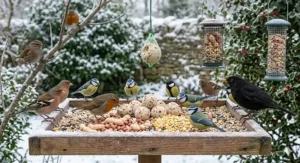
When temperatures plummet and natural food becomes scarce, your feeders transform from convenience to lifeline. Focus on high-fat content: suet balls, nyjer seeds, and sunflower hearts. Feed twice daily if possible – morning and late afternoon – allowing birds to tank up before long, cold nights.
Snow presents particular challenges. Clear feeding areas and increase portions, as birds expend enormous energy maintaining body temperature. One Norfolk birdwatcher told me she goes through triple her usual seed quantity during prolonged cold snaps, watching robins, blackbirds, and even shy wrens brave her garden.
Spring: Baby Boom (March-May)
Parent birds become feeding machines, making multiple trips hourly to satisfy hungry chicks. Avoid whole peanuts and hard fat balls that risk choking young birds. Instead, offer:
- Crushed or kibbled peanuts
- Soft suet pellets
- Mealworms (fresh or dried)
- Sunflower hearts
Protein content becomes paramount. Live mealworms, whilst pricier, provide unparalleled nutrition and you’ll witness parent birds stuffing their beaks before racing back to nests. It’s nature’s fast food, quite literally.
Summer: Supporting Moult (June-August)
Feather replacement demands specific nutrients. Birds look tatty during moult, but they’re working hard beneath those scruffy exteriors, growing an entirely new plumage. Continue feeding through summer – the “stop feeding in summer” myth has been thoroughly debunked by ornithologists.
Hygiene becomes critical in warm weather. Clean feeders weekly (minimum) using diluted disinfectant, rinse thoroughly, and dry completely. Contaminated food spoils quickly and can spread diseases like salmonella and trichomonosis, which has devastated UK greenfinch populations.
Autumn: Building Reserves (September-October)
Migrant species arrive needing refuelling whilst residents stockpile for winter. Mixed seed blends excel during this transition, providing variety that appeals to different dietary requirements. The RSPB’s Feed the Birds Day in late October marks the traditional start of intensive winter feeding.
Choosing the Right Feeders for Different Food Types
Matching feeder to food type isn’t just aesthetics – it’s functionality that determines whether birds can actually access your offerings.
Seed Feeders: Tubular feeders with multiple ports suit sunflower hearts and mixed seeds. Look for metal ports (not plastic, which squirrels destroy) and drainage holes preventing water accumulation. Position 2-3 metres from bushes – close enough for quick escape from predators, far enough to spot approaching cats.
Suet Feeders: Wire mesh cages or log-style feeders suit fat balls and suet blocks. Mesh size matters: 6mm prevents large pieces breaking off whilst allowing smaller birds to nibble safely. Woodpeckers, nuthatches, and tits are enthusiasts.
Ground Feeders: Not all birds perch comfortably. Blackbirds, dunnocks, robins, and song thrushes prefer ground feeding. Use ground trays or scatter seed on clear areas of lawn. Move feeding spots regularly, preventing parasite build-up and seed germination (nothing says “amateur” like a lawn full of sunflower seedlings).
Peanut Feeders: Rigid steel mesh only – wire mesh can trap tongues and beaks. Never use nylon bags, which tangle feet and injure woodpeckers’ barbed tongues. Fill with high-quality, aflatoxin-tested peanuts to avoid fungal poisoning.
Common Mistakes That Waste Money and Harm Birds
Buying Cheap Filler Mixes: That bargain 20kg sack for £8? It’s probably 60% wheat, which most garden birds ignore. You’re essentially paying for bird-rejected landfill. Calculate cost-per-eaten-seed, not cost-per-kilo.
Irregular Feeding Routines: Birds develop routines around your feeders, particularly in winter. Sporadic refilling forces them to waste precious energy seeking alternative sources. Commit or don’t start – sounds harsh, but it’s biological reality.
Ignoring Hygiene: Dirty feeders spread disease. The 2026 trichomonosis outbreak affecting greenfinches and chaffinches spread primarily through contaminated feeding stations. Weekly cleaning isn’t optional pedantry; it’s disease prevention.
Wrong Food for Season: Whole peanuts in spring risk choking chicks. Dry bread in summer expands in crops. Mouldy food (obvious, yet still happens) can poison. Match food to season and species.
Forgetting Water: Birds need water year-round for drinking and bathing. A shallow dish (3-4cm deep) serves both purposes. Change daily, break ice in winter. Dehydration kills as surely as starvation.
Top Wild Bird Food Brands in the UK Market
Beyond the products reviewed above, several brands consistently deliver quality worth considering:
Really Wild Bird Food: This Hampshire-based family farm grows much of their own seed, offering traceability and freshness that imported alternatives can’t match. Their focus on environmental responsibility and minimal processing appeals to eco-conscious feeders.
CJ Wildlife: Specialists in species-specific formulations. Want to attract yellowhammers? They’ve got a mix for that. Their research-backed approach means products target genuine nutritional requirements rather than marketing department imaginations.
Kennedy Wild: Their Superior High Energy mix has developed cult following amongst serious birdwatchers. Slightly pricier but formulated for small garden and farmland birds, particularly those species showing population declines.
Jacobi Jayne: Premium positioning justified by innovation. Their Chunky Dumplings (suet balls) use unique formulations that remain accessible in varying temperatures whilst resisting crumbling – addressing the two most common suet ball complaints.
When evaluating brands, check ingredient lists carefully. “Cereals and derivatives” often means cheap filler. Look for named ingredients: sunflower, peanuts, maize, millet. Transparency suggests quality.
Maximising Value: Smart Shopping Strategies
Buy in Bulk (With Caveats): 20-25kg sacks offer better per-kilo pricing than small bags, but only if stored properly. Damp seed develops mould; stale seed loses nutritional value. Invest in airtight storage bins, keep them cool and dry, and calculate realistic usage rates.
Subscribe and Save: Amazon.co.uk’s subscription service offers 5-15% discounts on regular deliveries. For stable products like sunflower hearts or mixed seed, it’s essentially free money. Cancel anytime, adjust frequency as needed.
Seasonal Sales: Late summer (August-September) often sees discounts as retailers clear space for autumn stock. October brings pre-winter promotions. Don’t stockpile fat balls in July – they’ll spoil – but dried seeds store well.
Multi-Product Bundles: Some retailers offer feeder-plus-food packages at lower combined cost than separate purchases. Particularly worthwhile when establishing new feeding stations.
Quality Over Quantity: That £15 premium mix might seem expensive against a £10 budget alternative, but if birds eat 80% versus 40%, the premium option delivers better value-per-meal.
Attracting Specific Species: Targeted Feeding
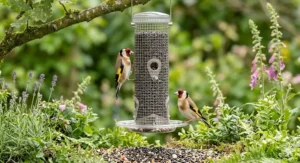
Goldfinches: Nyjer seed (also called thistle seed) is goldfinch catnip. Use specialist nyjer feeders with tiny ports – the seeds are minuscule. Sunflower hearts also work brilliantly.
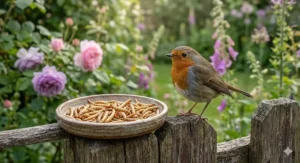
Robins: Ground feeders preferring mealworms, particularly live ones. They’ll learn to hand-feed if you’re patient, creating magical garden moments. Also enjoy suet pellets and small seed mixes.
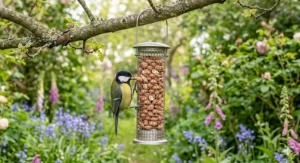
Blue Tits and Great Tits: Acrobatic feeders loving peanuts (in mesh feeders), sunflower hearts, and suet balls. They’ll hang upside-down from almost anything, entertaining to watch whilst simultaneously demolishing your bird food budget.
Blackbirds: Ground feeders enjoying apples, pears, mealworms, and mixed seed scattered on lawns. Interestingly, they’ll also tackle suet pellets despite their size, though watching them attempt to eat fat balls provides comedy gold.
Woodpeckers: Suet enthusiasts. Use log-style feeders or fill holes in branches with suet mixture. They’ll also take peanuts from mesh feeders, their powerful beaks making short work of whole nuts.
Siskins: Increasingly common garden visitors, siskins adore sunflower hearts and nyjer seed. They’re nervous feeders, so position feeders near cover.
Environmental and Ethical Considerations
The bird food industry isn’t uniformly virtuous. Some considerations for conscious consumers:
UK-Grown Seed: Reduces food miles and supports British agriculture. Brands like Really Wild Bird Food prioritise domestic sourcing where possible.
Sustainable Palm Oil: Some suet products use palm oil. Look for RSPO-certified sources or brands avoiding palm oil entirely.
Plastic-Free Packaging: Several suppliers now offer compostable bags or paper sacks. Worth seeking out, particularly for bulk purchases generating significant packaging waste.
Peat-Free Suet: Traditional suet balls sometimes include peat as binding agent. Peat extraction damages ecosystems; sustainable alternatives exist.
Fair Trade Considerations: Imported seeds (particularly from developing nations) should ideally carry fair trade certification, ensuring ethical supply chains.
These factors rarely appear on product labels, requiring research. Specialist retailers tend to be more transparent than mass-market suppliers.
Storage and Freshness: Protecting Your Investment
Proper storage extends shelf life and maintains nutritional value. Here’s how:
Airtight Containers: Plastic bins with secure lids keep seed dry and fresh whilst deterring mice. Metal bins offer additional rodent protection but cost more.
Cool, Dry Location: Sheds, garages, or utility rooms work well. Avoid damp cellars or overheated conservatories. Temperature stability matters more than absolute coolness.
Check Regularly: Musty smells indicate spoilage. Clumping suggests moisture exposure. Discard compromised food – it’s not worth risking bird health.
First In, First Out: Rotate stock, using older purchases before newer ones. Label containers with purchase dates if buying bulk quantities.
Suet Balls: Particularly vulnerable in warm weather. If stored above 20°C, they can turn rancid. Consider smaller summer purchases, larger winter quantities.
Dealing with Unwanted Visitors
Squirrels, pigeons, and corvids often dominate feeders, leaving smaller birds hungry and you frustrated. Solutions exist:
Squirrel-Proof Feeders: Weight-activated mechanisms close ports when anything heavier than small birds lands. Effective but expensive (£40-£80). However, squirrels are ingenious – some learn to “power feed,” grabbing seed before ports close.
Baffles: Cone-shaped guards fitted above or below feeders prevent squirrels climbing poles. Works well if installed correctly (hint: higher than you’d think necessary).
Cage Feeders: Outer wire cage with wide spacing allows small birds through but excludes larger species. Effective for protecting fat balls and seed from pigeons.
Hot Pepper Suet: Birds lack capsaicin receptors, but mammals (including squirrels) definitely possess them. Hot pepper suet deters squirrels without affecting birds. Mildly effective – desperate squirrels persevere.
Separate Feeding Stations: Controversial but practical – provide cheap food in one area for squirrels and pigeons, premium offerings elsewhere for smaller birds. Everyone eats, peace reigns.
Remember: squirrels and pigeons are also wildlife deserving consideration. Total warfare seems disproportionate; strategic management works better.
Health and Safety: Protecting Birds and Humans
Disease Prevention: As mentioned earlier, weekly feeder cleaning is essential. Use diluted disinfectant (1:10 ratio), scrub thoroughly, rinse completely, dry fully. Rotate feeders if possible, allowing thorough air-drying.
Human Health: Wash hands after handling feeders or food. Dry seed can harbour bacteria; bird droppings contain potential pathogens. Basic hygiene protects everyone.
Pest Control: Spilled seed attracts rats. Use ground trays, clean daily, and don’t overfill feeders. If rats appear despite precautions, temporarily suspend ground feeding.
Neighbour Relations: Overflowing feeders can annoy neighbours as seed germinates in their pristine lawns. Be considerate with quantities and positioning.
Frequently Asked Questions
❓ What is the best wild bird food for winter in the UK?
❓ How often should I refill wild bird feeders?
❓ Can I feed wild birds year-round in the UK?
❓ What wild bird food attracts goldfinches to UK gardens?
❓ Are cheap wild bird food mixes worth buying?
Conclusion: Creating Your Bird-Friendly Garden
Choosing the right wild bird food isn’t rocket science, but it does require understanding what you’re buying and why. The products reviewed in this guide represent the best currently available on the UK market, offering options for every budget and feeding preference.
Start with a quality seed mix or sunflower hearts for broad appeal, add suet balls for high-energy supplementation, and invest in decent feeders that’ll last multiple seasons. Clean regularly, feed consistently, and adjust offerings seasonally. Within weeks, you’ll notice increased bird activity; within months, you’ll recognise individual visitors and their quirky behaviours.
The best wild bird food is ultimately the food your garden’s birds will actually eat. Experiment, observe, adjust. Some gardens attract goldfinch flocks; others host robin dynasties. Your unique mix of habitat, positioning, and offerings creates a specific ecosystem.
Remember that feeding birds connects you to nature’s rhythms in ways few modern activities manage. It’s mindfulness disguised as hobby, conservation wrapped in pleasure. Those few minutes watching coal tits squabble over peanuts or wrens investigating suet pellets? That’s stress reduction worth more than gym memberships.
Your garden birds are waiting. Time to stock those feeders.
Recommended for You
- 7 Best Gouldian Finch Diet Requirements UK | Complete 2026 Guide
- 7 Best Zebra Finch Food Options UK 2026
- 7 Best Canary Egg Food for Breeding 2026 | UK
Disclaimer: This article contains affiliate links. If you purchase products through these links, we may earn a small commission at no additional cost to you. Prices shown are approximate and may vary.
✨ Found this helpful? Share it with your mates! 💬🤗
