
In This Article
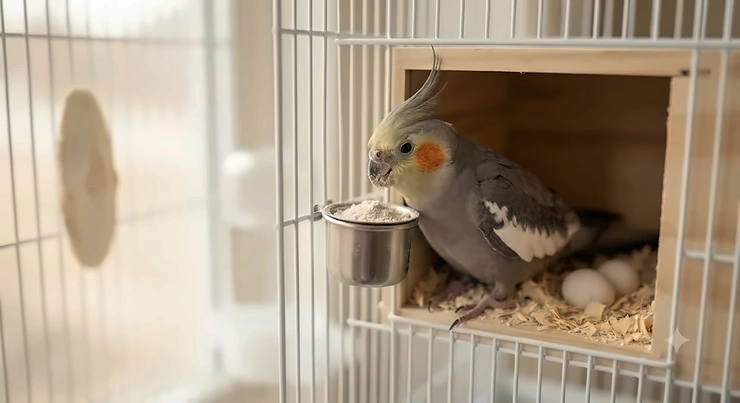
A cockatiel that sits fluffed on the cage floor, or a hen straining to pass a soft-shelled egg, is often telling you the same thing: something’s missing from the diet, and it’s usually calcium. Seed-based diets, however varied they look in the bowl, are notoriously calcium-poor, and it’s one of the most common nutritional gaps flagged in pet bird welfare guidance. Working out which cockatiel calcium supplement to buy — powder, liquid, or a cuttlebone hung in the corner of the cage — is confusing precisely because all three genuinely work, just for different situations and different birds.
This guide compares seven real, currently available UK products across powder, liquid and natural mineral formats, based on their actual ingredient specifications and the aggregated sentiment from genuine buyer reviews rather than marketing claims. You’ll get an honest breakdown of dosing, the calcium-to-phosphorus ratio that actually determines whether a supplement works, and which format suits a laying hen versus a healthy seed-fed male who just needs routine top-up support. We’ll also cover the safety side properly, since over-supplementing calcium carries its own risks and isn’t something to guess at.
A cockatiel calcium supplement is a powder, liquid or mineral-block product formulated to correct the calcium shortfall common in seed-based diets, supporting bone strength, nerve function, and — critically for hens — safe eggshell formation. It’s worth knowing that, according to the RSPCA’s guidance on feeding pet birds, purely seed-based diets are specifically linked to calcium deficiency, which is why supplementation is so often recommended alongside a proper diet transition rather than as a substitute for one.
Quick Comparison Table
| Product | Format | Ca:P Ratio / Focus | Price Range | Best For |
|---|---|---|---|---|
| Vetark Nutrobal | Powder | Ca:P 46:1 | £8–£20 | Everyday dietary top-up |
| Calcivet Liquid Calcium & D3 | Liquid | High-concentration, added D3 | £6–£25 | Fussy eaters, water-soluble dosing |
| Zolcal-F Liquid Calcium & D3 | Liquid | Water-soluble | £8–£15 | Budget liquid option |
| Ovveroche Natural Cuttlebone (6pk) | Natural block | Pure calcium carbonate | Under £10 | Free-choice grazing, beak wear |
| Bird Beak Trim Cuttlebone Calcium Stone (2pk) | Mineral block | Cuttlebone + lava stone blend | Under £10 | Enrichment plus calcium |
| Vetark Avimix | Powder | Multivitamin + calcium | £10–£20 | All-round dietary support |
| Quiko Avisanol | Liquid concentrate | Eggshell-focused | £15–£30 | Breeding and laying hens |
Looking at the table, the split isn’t really budget-versus-premium — it’s about how directly you can control the dose. Powders and liquids like Vetark Nutrobal, Calcivet and Quiko Avisanol let you measure a precise daily amount, which matters enormously for a laying hen who needs consistent support. Cuttlebone and mineral blocks like the Ovveroche Natural Cuttlebone offer free-choice grazing instead — the bird decides how much it wants, which is gentler but less predictable if you’re managing an active deficiency. If you’re supplementing a healthy, non-breeding cockatiel on a good pelleted diet, the cheaper block options are often genuinely sufficient; if you’re managing a laying hen or a bird on a mostly-seed diet, the measured powders and liquids earn their higher price.
💬 Just one click — help others make better buying decisions too!😊
Top 7 Cockatiel Calcium Supplements: Expert Analysis
1. Vetark Nutrobal — best all-round calcium and D3 powder
Vetark Nutrobal is a powdered calcium, vitamin D3 and multivitamin balancer with a published calcium-to-phosphorus ratio of 46:1, alongside vitamins A, D3, E, K and the B-complex. What most buyers overlook about this product is that the extremely high Ca:P ratio isn’t a marketing number — it reflects the fact that seed diets are already phosphorus-heavy, so the supplement is deliberately weighted almost entirely towards calcium to correct that imbalance rather than adding more of a nutrient birds already get plenty of.
Based on the spec comparison against Avimix, Nutrobal leans more specifically towards calcium and D3 correction, while Avimix reads more like a broad-spectrum multivitamin with calcium included. Reviewers consistently note that a little goes a long way — the recommended dose is a small pinch scattered on food daily, and a 250g tub commonly lasts well over a year for a single cockatiel, which meaningfully changes the cost-per-use calculation versus its shelf price. Aggregated review sentiment for Vetark products generally trends positive on consistency and shelf life, though several buyers across the product range note it needs to be stored somewhere dry, since the powder can clump if exposed to damp.
Pros:
- ✅ High, clearly published Ca:P ratio of 46:1
- ✅ Small daily pinch means a tub lasts a long time
- ✅ Trusted UK veterinary supplement brand
Cons:
- ❌ Powder can clump if stored somewhere humid
- ❌ Requires consistent daily dosing to be effective
Priced in the £8–£20 range depending on tub size, this is a strong everyday baseline supplement for a cockatiel on a partly seed-based diet.
2. Calcivet Liquid Calcium & Vitamin D3 — best for fussy eaters and emergencies
Calcivet Liquid Calcium & Vitamin D3, made by The Birdcare Company, is a concentrated liquid supplement designed to be added to drinking water or dripped onto soft food, with magnesium and D3 alongside the calcium itself. Here’s what the spec sheet won’t tell you, but the delivery method makes obvious: because it dissolves into water, it reaches a bird that refuses to eat supplemented food, which is exactly the scenario where powder-based products fail completely.
The manufacturer specifically positions this as useful for egg-bound hens in an emergency, and reviewers consistently report that it’s a product many owners keep on hand specifically for that scenario rather than as a daily-use item, though the honest analytical take is that it’s equally suitable for routine daily support at the lower dose. What most buyers overlook about this model is the dosing sensitivity to water hardness — the instructions specifically note lower doses should be used in hard water areas, which is easy to miss if you’re not reading the label closely, and getting this wrong risks under- or over-dosing. Reviewers do flag that the smaller bottle sizes have quite tiny printed instructions, which is a minor but genuinely repeated frustration in aggregated feedback.
Pros:
- ✅ Reaches picky eaters via drinking water
- ✅ Well-regarded for emergency egg-bound support
- ✅ Available in multiple sizes from 30ml to 500ml
Cons:
- ❌ Dosing must be adjusted for local water hardness
- ❌ Small print on smaller bottles is hard to read
Across sizes this typically falls in the £6–£25 range, and the concentration means even the smaller bottles represent reasonable value per dose.
3. Zolcal-F Liquid Calcium & Vitamin D3 — best budget liquid option
Zolcal-F Liquid Calcium & Vitamin D3 is a water-soluble liquid supplement pitched at a lower price point than Calcivet, aimed at birds, reptiles and rabbits, in a 120ml bottle. Based on the spec comparison, it occupies a similar niche to Calcivet — a water-soluble calcium and D3 combination — but at a notably lower cost per bottle, making it a sensible entry point for owners who want the flexibility of liquid dosing without committing to a premium-priced brand first.
What most buyers overlook about this model is that being formulated across multiple species (birds, reptiles, rabbits) isn’t a red flag — the underlying nutrient need for calcium and D3 is broadly similar across small exotic pets, and multi-species liquid calcium formulas are a well-established category rather than a compromise. Aggregated review sentiment for budget liquid calcium products in this bracket generally holds up reasonably well on effectiveness, though the honest caveat is that formulation concentration can vary between batches and brands more than with an established single-species specialist product, so it’s worth watching your bird’s response over the first few weeks rather than assuming it works identically to a pricier alternative.
Pros:
- ✅ Lower price than premium liquid calcium brands
- ✅ Water-soluble, easy to dose via drinking water
- ✅ Suitable across multiple small pet species
Cons:
- ❌ Less established specifically for avian use than Calcivet
- ❌ 120ml bottle needs replacing more often on larger flocks
At roughly £8–£15, it’s a fair value pick if you want to trial liquid dosing before investing in a larger, pricier bottle.
4. Ovveroche Natural Cuttlebone (6-Pack) — best natural free-choice option
The Ovveroche Natural Cuttlebone (6-Pack) is exactly what it says: genuine cuttlefish bone, roughly 11–11.5cm per piece, sized for parakeets, canaries and cockatiels rather than larger parrots. The spec sheet won’t tell you this, but the material itself makes obvious why cuttlebone remains a mainstay of bird care: it’s almost pure calcium carbonate, chalky and easy for a bird to peck at gradually, giving them control over how much they take rather than a fixed daily dose.
Based on the spec comparison against powders and liquids, cuttlebone’s real strength is convenience and low cost per piece, not precision — there’s no way to know exactly how much calcium a bird has actually consumed on a given day, which matters if you’re managing a diagnosed deficiency rather than providing general free-choice support. Reviewers consistently note that not every cockatiel takes to cuttlebone immediately, and some birds ignore it entirely unless it’s positioned somewhere they naturally perch and peck, such as near a favourite branch. It’s worth being aware, per general avian care guidance, that cuttlebone should never be relied on as a bird’s sole calcium source if a genuine deficiency has already been identified — it’s a maintenance tool, not a treatment.
Pros:
- ✅ Genuinely natural, minimally processed calcium source
- ✅ Very low cost per piece across a 6-pack
- ✅ Lets the bird self-regulate intake
Cons:
- ❌ No way to measure actual calcium consumed
- ❌ Some cockatiels ignore it if poorly positioned
At under £10 for six pieces, this is one of the cheapest ongoing calcium options on this list, and a sensible baseline for a healthy bird on a decent pelleted diet.
5. Bird Beak Trim Cuttlebone Calcium Stone Lava Block (2-Pack) — best enrichment-plus-calcium combo
This Bird Beak Trim Cuttlebone Calcium Stone Lava Block combines cuttlebone with porous lava mineral stone and a hanging bell, marketed across parakeets, cockatiels, finches and even small rodents. What most buyers overlook about this model is that the lava stone component isn’t purely decorative — its irregular surface is genuinely more abrasive than plain cuttlebone, which does more for beak conditioning even though, as general avian guidance notes, beak length itself is governed more by diet and genetics than by chewing on hard objects.
Honest analytical take: this product works best as a combined enrichment and calcium-topping item rather than a primary supplement strategy, since the calcium delivered by the cuttlebone portion is genuinely useful but the overall design prioritises play value (the bell, the hook, the colourful beads) as much as nutrition. Reviewers consistently report that cockatiels engage with the bell and hanging element more readily than they do with plain cuttlebone alone, which is a reasonable way to encourage a reluctant bird to interact with a calcium source it might otherwise ignore. The trade-off, echoed in aggregated feedback for similar combo products, is that the non-cuttlebone components obviously provide no nutritional value, so you’re paying partly for a toy.
Pros:
- ✅ Combines calcium source with genuine enrichment value
- ✅ Encourages reluctant birds to engage with cuttlebone
- ✅ Hook design makes cage placement flexible
Cons:
- ❌ Only part of the product is nutritionally useful
- ❌ Beak-trimming claims are overstated versus diet
Priced under £10 for two, it’s a low-cost way to combine calcium access with cage enrichment, best used alongside rather than instead of a measured supplement for birds with a known deficiency.
6. Vetark Avimix — best broad-spectrum multivitamin with calcium
Vetark Avimix is a powdered multivitamin and calcium supplement designed to be scattered over food daily, with a detailed additive profile covering amino acids, vitamins A through K, and calcium alongside trace minerals. Based on the spec comparison against Nutrobal, Avimix is the broader-spectrum option — more vitamins and minerals covered overall — while Nutrobal is more sharply focused on the calcium and D3 correction specifically, so the honest read is that Avimix suits an owner wanting one all-round product rather than layering several separate supplements.
What most buyers overlook about this model is the manufacturer’s own guidance on consistency: the product notes are explicit that scattering it unevenly over food (rather than using something like a pepper-pot for even distribution) can leave some food heavily dosed and some barely touched, letting a selective eater avoid it altogether. This is a genuinely practical detail that matters more for real-world effectiveness than the ingredient list itself. Reviewers consistently note it’s intended for daily use rather than occasional dosing, and multi-bird households or those with larger collections are specifically pointed towards mixing Avimix alongside Nutrobal for a more complete regime, according to product guidance.
Pros:
- ✅ Broad vitamin and mineral coverage beyond just calcium
- ✅ Designed for straightforward daily scattering on food
- ✅ Established UK veterinary supplement brand
Cons:
- ❌ Uneven scattering lets selective eaters avoid the dose
- ❌ Less calcium-concentrated than a dedicated product like Nutrobal
Typically priced in the £10–£20 range, it’s a sensible single-product choice for general dietary insurance rather than a targeted deficiency treatment.
7. Quiko Avisanol Calcium Concentrate — best for breeding and laying hens
Quiko Avisanol Calcium Concentrate is a liquid calcium supplement specifically marketed around bone and eggshell formation, positioned for pet birds, racing pigeons and poultry as well as parrots and cockatiels, in a 500ml bottle. The honest analytical take here is that its positioning around eggshell and feather formation makes it the most laying-hen-focused product on this list, which matters if a female cockatiel is actively producing eggs and needs consistent, measurable calcium support through the laying cycle rather than general maintenance.
Based on the spec comparison against Calcivet and Zolcal-F, Avisanol’s larger 500ml bottle size and its framing around breeding and moulting periods suggest it’s designed with higher-volume or multi-bird use in mind, which changes the value calculation for a single pet cockatiel versus a small breeding setup. What the product description won’t tell you, but general avian veterinary guidance strongly reinforces, is that calcium demand spikes dramatically during active egg-laying because a hen’s body will pull calcium from her own bones to complete a shell if dietary intake falls short — so a laying hen genuinely needs more consistent, higher-dose support than a non-breeding bird, and a product built specifically around that use case earns its place on the shelf.
Pros:
- ✅ Specifically formulated around eggshell and bone formation
- ✅ Large 500ml bottle suits ongoing breeding-season use
- ✅ Established European avicultural brand
Cons:
- ❌ Bottle size is excessive for a single non-breeding pet bird
- ❌ Premium pricing versus general-purpose liquid calcium
In the £15–£30 range, this is best matched to owners actively managing a laying or breeding hen rather than a single non-breeding companion bird.
Calcium for Egg-Laying Cockatiels: Why the Need Changes During Laying
A hen cockatiel’s calcium requirement doesn’t stay flat across the year — it spikes sharply during active egg production, because roughly 95% of an eggshell’s dry weight is calcium carbonate, and that calcium has to come from somewhere. If dietary intake can’t keep pace, the body pulls calcium directly from the hen’s own skeleton to finish the shell, which is precisely the mechanism behind both weak, soft-shelled eggs and the more serious risk of egg binding. This is why products like Quiko Avisanol and Calcivet are explicitly marketed around breeding and laying support rather than general maintenance — the dosing and concentration are built for a higher, more sustained calcium draw.
Reviewers consistently note that owners of laying hens tend to reach for liquid calcium specifically because it can be increased quickly and precisely during an active lay, something a free-choice cuttlebone genuinely can’t guarantee on its own. What most first-time cockatiel owners overlook is that even a hen who isn’t intentionally being bred can start laying eggs on her own, particularly with extended daylight hours or a perceived mate (even a mirror or toy), so calcium needs can spike unexpectedly outside a planned breeding season.

Cockatiel Bone Health: The Long Game Beyond Eggshells
Calcium’s job doesn’t stop at eggshells — it’s fundamental to skeletal strength, nerve transmission and muscle function throughout a cockatiel’s life, which is why chronic dietary shortfall shows up as more than just reproductive issues. Birds kept on predominantly seed-based diets without adequate calcium and vitamin D3 are at meaningfully increased risk of metabolic bone disease, a condition where bones become soft, deformed and prone to fracture.
Based on the spec comparison across this list, powders like Vetark Nutrobal and Avimix are well suited to this long-game maintenance role precisely because they’re designed for daily, ongoing use rather than emergency correction. It’s worth noting that vitamin D3 is just as important as the calcium itself here, since without adequate D3, dietary calcium can’t be properly absorbed and used by the body regardless of how much is on offer — which is why every calcium product reviewed in this guide pairs calcium with D3 rather than offering calcium alone.
Calcium Powder for Cockatiels: Getting the Dose Right
Powdered calcium supplements are only as good as how consistently and accurately they’re administered, and this is where a lot of well-intentioned owners quietly undermine an otherwise good product. Start by checking the manufacturer’s dosing guidance precisely — for a product like Vetark Nutrobal, that’s a small pinch (roughly an eighth of a teaspoon) scattered evenly over moist food, not a heaped spoonful assuming more is better.
The single biggest practical mistake is uneven scattering: tipping powder into one corner of the food bowl means a selective eater can simply avoid that patch entirely and get none of the supplement, which is exactly the scenario Avimix’s own guidance warns against. A light misting of the food first, or mixing the powder into a small amount of soft food like cooked vegetable, helps the powder stick evenly rather than settling in one spot. It’s also worth introducing a new calcium powder gradually alongside an existing diet rather than switching abruptly, since a sudden change in taste or texture on familiar food can put a fussy cockatiel off eating altogether, which defeats the purpose entirely.
Cuttlebone Alternatives: When (and Why) to Look Beyond the Basics
Cuttlebone has been the default cockatiel calcium source for decades, and for a healthy bird on a good pelleted diet it often remains genuinely sufficient. But there are specific situations where cuttlebone alternatives make more practical sense. A bird that flatly ignores cuttlebone, regardless of placement, gets zero benefit from it no matter how many pieces you offer — in that case, a powder like Vetark Nutrobal mixed into food a bird already eats is far more reliable than hoping preference changes.
A hen actively laying eggs, or a bird recovering from a diagnosed deficiency, needs a measurable and adjustable dose that free-choice pecking simply can’t provide — this is precisely where liquid options like Calcivet or Quiko Avisanol earn their higher price over a £5 pack of cuttlebone. And for owners managing multiple birds or a larger collection, a powder like Avimix that covers several nutritional bases in one product can be more practical than juggling separate cuttlebone, grit and vitamin products across every cage. The honest takeaway is that cuttlebone and its lava-stone combo cousins aren’t outdated — they’re simply one tool among several, best suited to maintenance rather than active correction.
Calcium-to-Phosphorus Ratio Explained
The calcium-to-phosphorus ratio, often written as Ca:P, describes the balance between these two minerals in a bird’s diet, and it matters because phosphorus and calcium compete for absorption in the gut — too much phosphorus relative to calcium effectively blocks calcium uptake even if plenty is available on paper. Seed-based diets are notoriously phosphorus-heavy relative to calcium, which is precisely why calcium supplements are formulated with dramatically skewed ratios in the opposite direction, such as Vetark Nutrobal’s published 46:1 Ca:P ratio, to actively correct rather than merely balance the deficit.
According to the Parrot Society UK’s veterinary guidance on hypocalcaemia, bone and shell structure depend on getting this calcium-to-phosphorus balance right, and calcium uptake is further linked to how much vitamin D3 is available to enable absorption in the first place. In practical terms, this means a calcium supplement’s Ca:P ratio and its D3 content matter more to real-world effectiveness than the headline calcium percentage alone — a product loaded with calcium but light on D3, or one that doesn’t address the existing phosphorus excess in a seed-heavy diet, will underperform its label numbers.
How to Choose a Cockatiel Calcium Supplement
- Check the format against your bird’s eating habits. Fussy eaters respond better to liquid-in-water dosing than powder scattered on food they might reject.
- Match the product to breeding status. Laying or breeding hens need higher, measurable doses; non-breeding birds usually manage on maintenance-level products.
- Confirm the D3 content, not just calcium. Calcium without adequate vitamin D3 is poorly absorbed regardless of quantity.
- Consider the Ca:P ratio if it’s published. A higher ratio actively corrects the phosphorus excess typical of seed diets.
- Weigh precision against convenience. Powders and liquids allow measured dosing; cuttlebone offers free-choice convenience with less control.
- Factor in flock size and cost-per-use. Larger bottles and tubs suit multi-bird households; smaller sizes avoid waste for a single pet.
- Always check with an avian vet if a deficiency is suspected. Supplements support a good diet — they don’t replace veterinary diagnosis of an existing problem.
Common Mistakes When Buying Calcium Supplements for Cockatiels
The most frequent mistake is assuming a cuttlebone in the cage means the calcium question is fully solved, without checking whether the bird actually interacts with it at all. A second common error is buying a calcium-only product and overlooking vitamin D3 content entirely, which quietly undermines absorption regardless of how much calcium is technically available. Owners of laying hens also commonly underestimate how much their calcium needs increase during active egg production, sticking with a maintenance-level product when a higher, laying-specific formula would serve their bird better. Finally, scattering powder unevenly over food, rather than mixing it in thoroughly, is a repeated theme in aggregated feedback that quietly reduces effectiveness even when the product itself is genuinely good.
Calcium Supplements vs Natural Calcium Sources
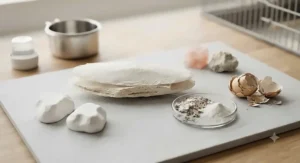
Manufactured supplements and natural sources like cuttlebone, dark leafy greens or eggshell aren’t really competitors — they solve overlapping but distinct problems. Natural sources like cuttlebone provide calcium in a form the bird controls itself, with essentially no risk of over-dosing, but no way to guarantee consistent intake or address an existing, diagnosed shortfall quickly. Manufactured powders and liquids like Vetark Nutrobal or Calcivet allow precise, adjustable dosing that natural sources can’t match, which matters considerably for an actively laying hen or a bird recovering from deficiency-related illness.
For everyday maintenance in a healthy, non-breeding cockatiel already eating a good pelleted diet, natural sources plus an occasional dietary review are often genuinely adequate. Once a specific need arises — active laying, a diagnosed deficiency, or a mostly-seed diet that hasn’t yet been transitioned to pellets — a measured supplement earns its place, and the two approaches work best layered together rather than treated as either/or.
What to Expect: Real-World Performance
On paper, ingredient lists and Ca:P ratios tell you what a product should do; day-to-day use reveals how it actually behaves. Expect powders to require genuine consistency — a single missed week rarely causes harm, but sporadic dosing across months is where deficiency symptoms tend to creep back in, based on the pattern in aggregated review feedback. Expect liquid supplements added to drinking water to occasionally go untouched if a bird strongly dislikes the taste change, which is worth checking in the first few days by monitoring whether water intake drops noticeably.
Expect cuttlebone uptake to vary enormously bird to bird — some cockatiels peck at it daily from day one, others need it repositioned two or three times before they engage with it at all. And expect visible improvement, where a genuine deficiency existed, to take weeks rather than days: feather quality, eggshell strength and general activity level typically improve gradually as calcium status corrects, not overnight.
Safety, Dosing & Over-Supplementation Guide
More calcium isn’t automatically better, and over-supplementation carries genuine risks that are worth taking seriously rather than assuming “extra can’t hurt.” Excess calcium relative to other minerals can itself cause absorption problems, and excessive vitamin D3 specifically carries a risk of toxicity, since it’s a fat-soluble vitamin that the body can’t simply flush out if oversupplied. This is precisely why every product on this list specifies a measured dose rather than “as much as the bird wants,” and why sticking to the manufacturer’s stated amount matters more than it might seem.
According to the Merck Veterinary Manual’s guidance on nutritional disorders in pet birds, birds fed diets low in calcium and vitamin D — particularly those kept indoors away from natural sunlight — are at genuine risk of metabolic bone disease, which reinforces why supplementation matters, but the same source is clear that treatment and dosing should be guided by a vet rather than guesswork once a deficiency is suspected. If a cockatiel shows signs of illness alongside suspected calcium issues — lethargy, tremors, or a hen straining unsuccessfully to lay — this warrants a same-day avian vet visit rather than home supplementation alone, since egg binding in particular can become life-threatening quickly.
Real Cockatiel Owner Scenarios: Matching Supplement to Situation
A single male cockatiel on a good-quality pelleted diet with occasional seed treats generally needs the lightest touch here — a piece of cuttlebone like the Ovveroche Natural Cuttlebone plus an occasional check of overall diet quality is usually genuinely sufficient, since he’s not facing the calcium drain of egg production. A hen who has just started laying unexpectedly, perhaps triggered by longer daylight hours, benefits most from a fast-acting liquid like Calcivet, added to her water immediately while the underlying trigger (light exposure, a perceived mate) is also addressed with a vet or experienced breeder’s advice.
An owner transitioning a long-term seed-only cockatiel onto a better diet is well served by Vetark Avimix or Nutrobal scattered daily throughout that transition period, since the bird’s existing calcium and vitamin shortfall won’t correct itself the moment pellets are introduced — supplementation bridges the gap while eating habits genuinely change. And an owner managing an established breeding pair through repeated clutches is the clearest case for Quiko Avisanol’s larger bottle and laying-specific formulation, where consistent, higher-volume calcium support across a full breeding season is the priority.
Long-Term Cost & Maintenance
Thinking in cost-per-week rather than shelf price changes how these products compare. Ovveroche Natural Cuttlebone, at under £10 for six pieces, works out to pennies a week for a single bird and needs essentially no maintenance beyond replacement once fully pecked down. Vetark Nutrobal, despite a higher upfront price, works out similarly cheap per use given how little is needed per dose, with the main “maintenance” cost being dry storage to prevent clumping.
Liquid products like Calcivet and Quiko Avisanol cost more per use in most cases, since they’re consumed continuously through drinking water rather than a small daily pinch, and bottles need replacing more frequently in a multi-bird household. None of the products reviewed here carry meaningful ongoing costs beyond straightforward replacement, though it’s worth factoring in that a genuinely deficient bird may also need a one-off avian vet consultation, which is a cost worth budgeting for rather than skipping in favour of supplements alone.
Frequently Asked Questions
❓ How much calcium does a cockatiel need daily?
❓ Can I give my cockatiel too much calcium?
❓ Is cuttlebone enough calcium for a cockatiel?
❓ What's the best calcium supplement for an egg-bound cockatiel?
❓ Do male cockatiels need calcium supplements too?
Conclusion
There’s no single best cockatiel calcium supplement here — the right choice depends heavily on whether you’re managing a healthy maintenance case or an actively laying hen with a genuinely higher calcium demand. For everyday dietary insurance, Vetark Nutrobal and the Ovveroche Natural Cuttlebone both do a solid, low-cost job without overcomplicating things. For fussy eaters or emergency support, Calcivet Liquid Calcium & D3 earns its price through the flexibility of water-soluble dosing, while Zolcal-F offers a genuinely reasonable budget alternative in the same format.
If you’re managing a breeding or actively laying hen, Quiko Avisanol and Calcivet are worth the extra spend for their laying-specific formulation and precise dosing control, and Vetark Avimix remains a sensible all-round pick if you’d rather cover multiple nutritional bases in one product. Whichever supplement you choose, the same principle holds across all seven: check the D3 content alongside the calcium, dose consistently rather than sporadically, and treat any suspected deficiency as a reason to involve an avian vet rather than supplement alone.
Recommended for You
- Bird Multivitamin Drops: 7 Proven UK Picks for 2026
- Budgie Vitamin Drops Under £15: 7 Real Picks Tested (2026)
- Eco Friendly Bird Toys UK: 7 Safe Picks Tested for 2026
Disclaimer: This article contains affiliate links. As an Amazon Associate, I earn from qualifying purchases. If you purchase products through these links, we may earn a small commission at no additional cost to you.
✨ Found this helpful? Share it with your friends! 💬🤗
