In This Article
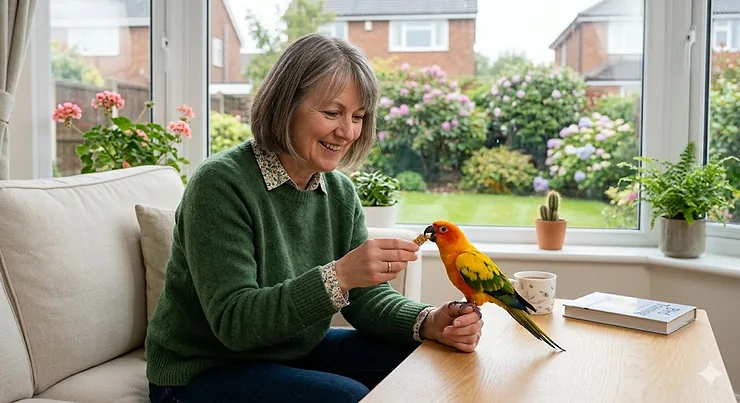
Training your parrot or pet bird isn’t just about teaching clever tricks — it’s about building trust, reducing problem behaviours, and creating a genuinely rewarding relationship with your feathered companion. Positive reinforcement training has been extensively studied and proven more effective than punishment-based methods. But here’s what most new bird owners overlook: the treats you choose make all the difference between a bird that’s eager to learn and one that simply won’t engage.
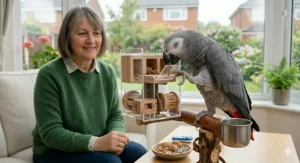
Bird training treats serve as your primary communication tool during positive reinforcement training. When your African Grey touches the target stick or your cockatiel steps onto your hand on command, that immediate reward creates a neural pathway linking the behaviour to something pleasurable. The problem? Not all treats are created equal. Many commercial bird treats sold on Amazon.co.uk are loaded with added sugars, artificial colours, and cheap fillers that do more harm than good. Others simply don’t motivate birds effectively — a seed your parrot can access in their bowl anytime won’t inspire much effort during training sessions. Understanding avian nutrition helps you make informed choices about which treats genuinely benefit your bird.
In this comprehensive guide, I’ll walk you through the seven best bird training treats available on Amazon.co.uk in 2026, covering everything from budget-friendly millet sprays to premium Nutriberries formulated by avian veterinarians. More importantly, I’ll explain exactly what makes each option effective (or not) for training purposes, so you can make an informed choice based on your bird’s species, preferences, and your training goals.
Quick Comparison: Top Bird Training Treats at a Glance
| Product | Best For | Price Range (GBP) | Key Benefit | UK Delivery |
|---|---|---|---|---|
| Vitakraft Kracker Sticks | Budgies, cockatiels | £2-£4 | Engaging texture, long-lasting | Prime eligible |
| Millet Sprays (Various Brands) | All small-medium parrots | £3-£8 per pack | Universal appeal, natural | Next-day available |
| Lafeber Nutri-Berries Classic | Medium-large parrots | £12-£18 | Nutritionally complete | 2-3 day delivery |
| Dried Fruit Mix (Parrot Essentials) | African Greys, Amazons | £8-£15 | High-value rewards | Fast UK shipping |
| Sunflower Seeds (Small Portions) | Quick training sessions | £4-£7 | Instant motivation | Prime eligible |
| Tidymix Parrot Treats | All parrot species | £5-£10 | Variety pack, balanced | Next-day delivery |
| Fruit Jelly Cups | Hydration + training | £6-£12 | Novel texture, exciting | Amazon UK stock |
💬 Just one click — help others make better buying decisions too! 😊
Top 7 Bird Training Treats: Expert Analysis
1. Vitakraft Kracker Triple Variety Pack for Budgies
Price Range: Around £3-£5 for a 3-pack
If you’ve got budgies, cockatiels, or lovebirds, these seed sticks from Vitakraft are the training treat equivalent of a reliable family hatchback — nothing flashy, but they do the job remarkably well. Each stick combines honey, fruit, or egg flavours with natural grains, presented in a way that keeps your bird engaged through both taste and texture.
What makes these particularly clever for training purposes is the gradual reward system they create. Unlike loose seeds that disappear in seconds, your bird must work at the stick, which naturally paces the training session and prevents that “I’ve had enough treats, thanks” satiation that can derail momentum. The honey variant tends to be the runaway favourite amongst British bird owners, though the egg-based option provides higher protein — rather useful if you’re training during moulting season when nutritional demands spike.
UK customers consistently report that these arrive quickly via Amazon Prime, and the sealed packaging holds up well in our damp climate (a consideration often missed when storing bird treats in British garden sheds or garages). The sticks clip easily onto cage bars, making them brilliant for independent training or foraging enrichment when you’re not actively working with your bird.
Customer Feedback: Over 1,700 UK reviews averaging 4.5 stars. Most praise the value for money and note that even fussy eaters engage with the honey variety. A few mention the sticks can be messy — crumbs do scatter — but that’s rather the point with foraging-based treats.
Pros:
✅ Excellent value under £5
✅ Long-lasting encourages sustained effort
✅ Prime delivery, arrives sealed and fresh
Cons:
❌ Can be messy with scattered husks
❌ May be too large for very small birds like parrotlets
Verdict: In the £3-£5 range, these offer brilliant bang for your pound. Best suited for budgie owners doing daily training sessions who want something more engaging than loose seeds but don’t need the nutritional bells and whistles of premium treats.
2. Golden Millet Sprays (Johnston & Jeff)
Price Range: £4-£8 for a 250-500g pack
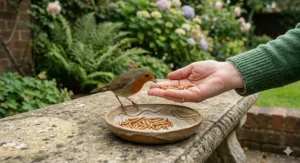
Millet sprays are the Swiss Army knife of bird training treats — nearly every parrot species from tiny budgies to massive macaws finds them irresistible, they’re naturally low in fat, and they create an inherent reward-pacing mechanism as birds nibble their way along the spray. Johnston & Jeff’s UK-grown millet is particularly well-regarded amongst British bird trainers for consistent quality and freshness.
Here’s why millet works so brilliantly for training: the individual seeds are tiny, meaning you can deliver dozens of rewards in a single session without overfeeding. This matters enormously when you’re teaching complex behaviours that require many repetitions. Compare that to giving a whole nut each time — by the fifth repetition, your bird’s full and training ends prematurely.
What UK buyers need to understand is that millet’s effectiveness depends entirely on restriction — if your bird has unlimited access to millet in their daily diet, it loses all training power. The strategy that works best is to eliminate millet from the regular food bowl entirely, reserving it exclusively for training sessions. Suddenly, touching that target stick or stepping onto your hand becomes the only way to access this highly-desired food, and motivation skyrockets.
A practical note on storage in Britain’s damp climate: keep unopened bags in a cool, dry place, and once opened, transfer to an airtight container. I learned this the hard way after a particularly wet October left a bag of millet sprouting in my garage — not ideal for training purposes!
Customer Feedback: British parrot owners consistently rate this 4.6 stars, with particular praise for freshness and the fact it’s UK-grown. Some note that very large parrots (macaws, large cockatoos) may prefer larger treats, but for the majority of pet parrots, millet hits the sweet spot.
Pros:
✅ Universally loved by most parrot species
✅ Natural, no artificial additives
✅ Perfect portion control for training
Cons:
❌ Loses training value if available daily
❌ Can be too small for very large parrots
Verdict: Around £4-£8 for a pack that lasts months makes this exceptional value. Essential for anyone doing clicker training or behaviour modification work where you need hundreds of tiny rewards per week.
3. Lafeber Classic Nutri-Berries for Parrots
Price Range: £12-£18 for a 284g-680g tub
Here’s where we shift from “treats” to “premium training fuel.” Lafeber’s Nutri-Berries are formulated by avian veterinarians in the USA and represent the gold standard in nutritionally complete training rewards. Unlike simple seed treats, each berry contains hulled seeds, grains, and 26 vitamins and minerals, meaning you’re not compromising your bird’s nutrition even during intensive training periods.
What makes these stand out for UK buyers is the textural variety — the berries have a slight crunch that many parrots find more engaging than soft fruits or simple seeds. African Greys, Amazons, and medium-sized conures tend to go absolutely mad for them. The round shape also encourages beak play, which provides mental stimulation beyond the food reward itself.
Now, the £12-£18 price point makes some British owners wince initially, but here’s the proper cost analysis: a 680g tub contains approximately 100-120 berries depending on size. If you’re training twice daily and using 3-4 berries per session, that’s roughly £0.40-£0.60 per day — less than a pint of milk. When you factor in that these can serve as a complete diet (though variety is always preferable), the value proposition shifts considerably.
The catch for UK buyers is availability — Lafeber is an American brand, so whilst available on Amazon.co.uk, delivery times can stretch to 2-3 days rather than next-day Prime. Also worth noting: these contain corn syrup as a binder, which some owners prefer to avoid. It’s not a deal-breaker nutritionally, but if you’re after genuinely sugar-free training treats, look elsewhere.
Customer Feedback: UK parrot owners who’ve made the switch rave about behaviour improvements and note their birds maintain better weight compared to traditional treat-heavy training. The 4.7-star average is impressive given the premium pricing.
Pros:
✅ Nutritionally complete — guilt-free training
✅ Veterinarian-formulated with balanced omega fatty acids
✅ Engaging berry shape encourages foraging behaviour
Cons:
❌ Premium pricing may not suit all budgets
❌ Contains corn syrup (though minimal amounts)
Verdict: In the £12-£18 range, these are best for dedicated parrot owners doing extensive positive reinforcement training who want to maintain optimal nutrition. If you’re training African Greys, Amazons, or conures multiple times daily, the investment pays for itself in results and peace of mind.
4. Tidymix Parrot Treats Mixed Variety
Price Range: £5-£10 for 500g-1kg
Tidymix represents British bird feeding at its finest — a family-run company that’s been supplying UK pet shops since the 1930s. Their mixed parrot treats combine dried fruits, nuts, seeds, and vegetable crisps in a genuinely appealing variety pack that prevents training sessions from becoming monotonous.
What I particularly appreciate about Tidymix for training purposes is the variety within each bag — your bird never quite knows whether the next reward will be a pumpkin seed, a slice of dried papaya, or a chunk of cashew. This unpredictability is gold dust for training, as it taps into what behaviourists call a “variable reward schedule” (the same psychological principle that makes slot machines addictive, applied ethically to parrot training).
The practical benefit for UK buyers doing intensive behaviour modification work is that you can match treat size to task difficulty. Teaching a simple “step up”? Use a pumpkin seed. Working on a complex flight recall? Break out a whole cashew chunk. This flexibility beats single-ingredient treats hands-down for nuanced training approaches.
Storage note for British homes: the resealable bag is decent but not waterproof. After opening, I’d recommend transferring to a proper airtight container, especially if storing in a garage or shed where our notorious damp creeps in. Tidymix uses natural preservation (no artificial additives), which is brilliant for bird health but means freshness matters more than chemically-preserved alternatives.
Customer Feedback: British parrot trainers consistently rate this 4.5-4.6 stars, praising both the variety and the “proper British quality” that sets it apart from imported alternatives. Some note larger parrots can demolish a 500g bag quickly, making the 1kg option better value.
Pros:
✅ Excellent variety keeps training engaging
✅ UK company with reliable quality control
✅ Good value in the £5-£10 bracket
Cons:
❌ Individual pieces vary in size (can be tricky for precision training)
❌ Goes through quickly with large parrots
Verdict: Around £5-£10 for genuinely varied, UK-made treats represents brilliant value. Perfect for intermediate trainers who’ve mastered basics and want to introduce variable rewards without breaking the bank.
5. Sunflower Seeds (Small Training Portions)
Price Range: £4-£7 for 1kg (decant into small portions)
Right, let’s address the elephant in the room — or rather, the sunflower seed in the training bag. Sunflower seeds get a terrible reputation in parrot nutrition circles because they’re high in fat and can lead to obesity if fed freely. But here’s the thing: used intelligently in small quantities exclusively for training, they’re absolute magic.
Why? Because sunflower seeds are crack cocaine to most parrot species. Your bird will do almost anything for one. This makes them invaluable for breakthrough training moments — that first time your rescue parrot steps onto your hand after weeks of building trust, or when you’re teaching a recall flight and need maximum motivation. They’re also brilliant for beginners who are struggling to find any treat their bird will work for.
The critical word here is restriction. Remove all sunflower seeds from your bird’s regular diet. None in the food bowl, period. Reserve them purely for training, and use them sparingly — we’re talking 5-10 seeds in a training session, not handfuls. For a medium parrot doing two brief training sessions daily, a 1kg bag at £4-£7 will last literally months, making them exceptionally cost-effective.
UK availability is excellent — most major bird food brands on Amazon.co.uk sell plain, unsalted sunflower seeds suitable for parrots, typically with Prime next-day delivery. The key is buying plain kernels (already shelled) rather than in-shell varieties, as shelling time disrupts training flow.
Customer Feedback: Universally loved by birds (5 stars from every parrot ever), though owners give mixed reviews depending on whether they understand the moderation principle. Those using them correctly as high-value training rewards report exceptional results; those who overfeed see weight gain and frustrated vets.
Pros:
✅ Maximum motivation for most parrot species
✅ Incredibly cost-effective (£4-£7 lasts months)
✅ Instantly available via Prime delivery
Cons:
❌ High fat content requires strict portion control
❌ Can lead to obesity if misused
Verdict: In the £4-£7 range for months of supply, these are unbeatable for specific training breakthroughs where you need maximum motivation. Not for everyday use, but essential in your training toolkit for those crucial moments.
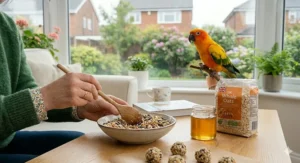
6. Parrot Essentials Dried Fruit Mix
Price Range: £8-£15 for 500g-1kg
Dried fruits occupy an interesting middle ground in the bird training treat hierarchy — they’re healthier than seeds or nuts (lower fat, higher vitamins), but still novel enough to be genuinely motivating. Parrot Essentials’ UK-sourced mix combines papaya, mango, pineapple, and cranberries, all naturally dried without added sulphites or sugars.
Here’s what makes dried fruit particularly valuable for training British parrots: unlike fresh fruit which goes off rapidly in our damp climate, dried fruit remains stable for weeks even after opening. This matters enormously if you’re training sporadically rather than daily — fresh grapes are brilliant rewards, but they’re mouldy within days in a British kitchen, whilst dried papaya chunks keep indefinitely in an airtight container.
The texture also provides something fresh fruit can’t: proper chewing resistance. A chunk of dried mango requires genuine beak work, which extends the reward period and creates more satisfaction than a soft grape that disappears in one squish. For birds prone to boredom or stereotypic behaviours, this textural engagement is genuinely beneficial beyond the training context.
Practically speaking for UK buyers, Parrot Essentials ships quickly from their British warehouse, and the resealable pouches hold up better than some competitors in our humid climate. The fruit pieces are large enough to break into smaller rewards for budgies or cockatiels, or used whole for larger parrots — that flexibility is rather handy.
One caution: whilst naturally dried, these still contain concentrated fruit sugars. They’re not the daily staple some owners imagine — treating them as special rewards for training sessions keeps both nutritional balance and motivation high.
Customer Feedback: British parrot owners rate this 4.4-4.6 stars, with particular praise for the lack of added sulphites and sugars. Some note pieces can be sticky (natural fruit sugars), so keeping a damp cloth handy during training sessions helps.
Pros:
✅ Healthier than seed/nut treats (lower fat, higher vitamins)
✅ Long shelf life suits sporadic training schedules
✅ Engaging texture provides mental stimulation
Cons:
❌ Still contains concentrated natural sugars
❌ Can be sticky during handling
Verdict: At £8-£15 for 500g-1kg, these offer a healthier alternative to traditional seed treats without sacrificing motivation. Ideal for owners prioritising nutritional quality whilst maintaining training effectiveness.
7. Fruit Jelly Cups (Various Brands)
Price Range: £6-£12 for 20-25 cups
Here’s the wildcard entry — fruit jelly cups are relative newcomers to the UK parrot training scene, but they’re creating quite the stir amongst trainers working with stubborn birds who’ve become bored with traditional treats. These wobbling, colourful cups combine fruit flavours with a gelatinous texture that many parrots find absolutely fascinating.
The training value comes from pure novelty. If your bird has been working for millet sprays for six months, motivation inevitably wanes — the treat becomes expected rather than exciting. Introducing jelly cups resets that interest. The unusual texture (nothing in nature wobbles quite like jelly) triggers curiosity, and the individual cup format creates a special-occasion feeling that keeps training sessions fresh.
Practically for UK trainers, jelly cups solve a specific problem: hydration during summer training sessions. British summers might not rival Spain, but we still get those muggy July days where parrots can become dehydrated during intensive training. The high water content in jelly cups provides both reward and refreshment, which is rather clever.
The catch is storage and practicality. These need refrigeration after opening (check packaging — some brands vary), and that means training sessions require a bit more planning than just grabbing a bag of seeds. They’re also messier than seeds — expect sticky beaks and the occasional jelly splat on your training perch. Worth it for the motivation boost, but not for every session.
UK availability has improved markedly on Amazon.co.uk over 2025-2026, with several brands now offering Prime delivery. Prices hover around £6-£12 for 20-25 cups, making them pricier per serving than seeds but comparable to premium Nutri-Berries when you factor in the hydration benefit.
Customer Feedback: British parrot owners report mixed results — birds either adore them completely or show zero interest. The 4.3-star average reflects this variability, but enthusiastic reviews note these “saved” training sessions with previously unmotivated birds.
Pros:
✅ Novelty texture re-engages bored birds
✅ Hydration benefit during summer sessions
✅ Individual cups feel like special treats
Cons:
❌ Requires refrigeration (less convenient)
❌ Messier than seed-based treats
Verdict: At £6-£12 for 20-25 cups, these work brilliantly as supplementary training treats rather than your primary option. Perfect for breaking through training plateaus or adding excitement to sessions with birds who’ve become jaded with traditional rewards.
✨ Don’t Miss These Exclusive Deals!
🔍 Take your bird training to the next level with these carefully selected products. Click on any highlighted item to check current pricing and availability on Amazon.co.uk. These picks will help you find exactly what you need!
Choosing Training Treats That Actually Motivate: A Decision Framework
Not all bird training treats are created equal, and what works brilliantly for your neighbour’s chatty budgie might bore your African Grey to tears. Here’s how to match treats to your specific situation.
For Complete Beginners: Start with Universal Favourites
If you’re new to bird training and haven’t yet discovered what your parrot finds irresistible, millet sprays are your safest bet. Approximately 95% of parrot species (budgies, cockatiels, lovebirds, small conures) find them highly motivating, they’re inexpensive enough that experimenting doesn’t hurt your wallet, and the small seed size means you won’t accidentally overfeed during your clumsy early sessions. Budget £4-£8, grab a pack from Amazon.co.uk, and you’re sorted.
For Behaviour Modification Work: Prioritise Variety
If you’re addressing serious issues like aggression, screaming, or feather-plucking through positive reinforcement, you need multiple treat types in your arsenal. This is where Tidymix variety packs (£5-£10) or creating your own mix from different sources pays dividends. Why? Because behaviour modification requires hundreds of repetitions, and even the most delicious treat becomes boring after the fiftieth iteration. Having five different rewards lets you rotate and maintain high motivation across weeks of intensive work.
For Large Parrots: Size and Value Matter
African Greys, Amazons, large conures, and especially macaws and cockatoos need treats with genuine substance. A single millet seed is pointless for a bird that can crack a Brazil nut — it’s like offering a bodybuilder a single raisin. Lafeber Nutri-Berries (£12-£18) or sunflower kernels work brilliantly here, as do dried fruit chunks and proper nut pieces. Yes, larger treats cost more per session, but undersized rewards frustrate big birds and training stalls.
For Daily Training: Balance Cost and Nutrition
If you’re training twice daily (the ideal frequency for building skills), you’ll get through treats at a fair clip. This is where mid-range options like Tidymix (£5-£10) or quality millet (£4-£8) make sense — premium enough to maintain motivation, affordable enough that daily sessions don’t become financially painful. Reserve the expensive treats like Nutri-Berries for particularly challenging behaviours or special breakthrough moments.
For Occasional Training: Go Premium
Conversely, if you’re only training once or twice a week, budget isn’t your constraint — motivation is. In this scenario, splash out on the most appealing treats you can find. Lafeber Nutri-Berries (£12-£18), dried tropical fruits (£8-£15), or even the occasional jelly cup (£6-£12) will keep your bird genuinely excited about those less-frequent sessions. A £15 tub that lasts three months works out cheaper per session than you’d think.
Real-World Training Scenarios: Match Treats to Your Goals
Understanding which treats suit which training contexts transforms results. Here’s how experienced UK bird trainers approach different situations.
Scenario 1: Building Trust with a Rescue Bird in Manchester
Sarah adopted a rehomed African Grey who’d been neglected and was terrified of hands. Her strategy: ultra-high-value treats reserved purely for hand-proximity exercises. She removed all sunflower seeds from the regular diet and used them exclusively to reward even tiny steps toward her hand — looking at her hand got a seed, being within 30cm got a seed, eventually touching her hand got a seed. Within three weeks, the Grey was stepping up reliably. The key? Restriction made those sunflower seeds worth the risk of approaching the scary hand. Cost: £5 for a 500g bag that lasted two months. Delivery: next-day Prime to her Manchester flat meant she could start immediately.
Scenario 2: Teaching Flight Recall in a Norfolk Garden
James wanted his cockatiel to fly to him on command in his garden — crucial for outdoor safety. His approach: millet spray as the baseline reward for short flights indoors (1-2 metres), but switched to Nutri-Berries for longer outdoor flights (5+ metres). Why the upgrade? Flying outdoors against wind requires significantly more effort than indoor flight, so the reward needed to match that increased difficulty. The variable reward structure prevented satiation — his cockatiel never knew if this recall would earn everyday millet or a premium Nutri-Berry, keeping motivation consistently high. Cost: £6 millet, £15 Nutri-Berries every two months. The investment paid off when his cockatiel successfully recalled from a neighbour’s garden fence rather than flying off into the Norfolk countryside.
Scenario 3: Reducing Screaming in a Birmingham Flat
Emma’s sun conure was screaming for attention constantly, creating friction with her Birmingham flat neighbours. Her behaviour modification plan: ignoring screaming completely (no reaction whatsoever) whilst heavily rewarding quiet behaviour with Tidymix variety treats. The variety was crucial — because she needed to reward quiet moments hundreds of times daily, using the same treat would have killed motivation. The mixed nuts, seeds, and dried fruits in Tidymix kept each reward interesting across the intensive three-week modification period. Result: screaming reduced by 80%, neighbours stopped complaining. Cost: £8 per 500g bag, one bag weekly during intensive phase, dropping to one bag monthly for maintenance. The mess-free delivery to her Birmingham postcode via Amazon Prime made restocking effortless.
Common Mistakes When Buying Bird Training Treats (And How UK Owners Can Avoid Them)
Mistake 1: Ignoring the Sugar Content
Many commercial bird treats, especially those targeting the impulse-buy market in pet shops, are absolutely loaded with added sugars, honey, or molasses. Whilst birds do enjoy sweet flavours, excessive sugar contributes to obesity, fatty liver disease, and behavioural problems like hyperactivity followed by crashes. What to do instead: Read the ingredients list before buying. On Amazon.co.uk product pages, scroll down to the detailed specifications — if you see corn syrup, added honey, or molasses high on the ingredient list (first three ingredients), consider alternatives. Natural fruit treats contain intrinsic sugars, which is fine in moderation, but added sugars are simply unnecessary.
Mistake 2: Buying Treats Your Bird Already Gets Daily
This is the single most common training mistake UK bird owners make: buying expensive “training treats” that are identical to what’s already in the food bowl. If your budgie’s daily diet includes millet, using millet as a training reward is pointless — there’s zero motivation to work for something freely available. The fix: Audit your bird’s current diet first. List everything in their food bowl, then choose training treats from categories they don’t normally receive. If they eat pellets and vegetables daily, seeds and nuts become high-value training rewards. If they’re on a seed mix, fruits and pellets become motivating. This restriction principle underpins all effective reward-based training.
Mistake 3: Overlooking Storage in Britain’s Damp Climate
Our wet British weather wreaks havoc on bird treat storage. I learned this the mortifying way when a bag of dried papaya I’d left in my garden shed for “convenient access during outdoor training sessions” turned into a mouldy science experiment after a particularly soggy October. The lesson: Proper airtight storage isn’t optional in the UK, it’s essential. After opening any treat bag, immediately transfer contents to a proper airtight container (the £3 clip-seal tubs from Wilko work brilliantly). Store in a cool, dry indoor location — not sheds, not garages, not damp utility rooms. This extends shelf life dramatically and prevents waste.
Mistake 4: Choosing Treats Too Large or Too Small for Your Bird
Size matters enormously in training treat selection. A macaw given a single millet seed will rightly view you as a miser — it’s like paying a bricklayer with Monopoly money. Conversely, giving a budgie a whole cashew nut overwhelms them and disrupts training flow as they struggle to break it down. Match treat size to bird size: budgies and cockatiels → millet seeds, small sunflower pieces; lovebirds and parrotlets → slightly larger seeds, tiny nut fragments; conures and African Greys → whole sunflower seeds, medium nut pieces, Nutri-Berry halves; macaws and large cockatoos → whole nuts, large fruit chunks, whole Nutri-Berries. Getting this right keeps training sessions flowing smoothly.
Mistake 5: Falling for “Parrot Mix” Treats Without Checking UK Compatibility
Some American bird treat brands sold on Amazon.co.uk contain ingredients unsuitable for UK parrots or simply unavailable to ship here. I’ve seen British owners excited about reviews from US customers, only to receive the dreaded “cannot ship to UK” message at checkout, or worse, receive products formulated for American bird species with different nutritional needs. Always verify on the product page that delivery to the UK is confirmed, check reviews specifically from UK buyers (you can filter by region), and favour brands with UK warehouses (Parrot Essentials, Tidymix, Johnston & Jeff) for both faster delivery and better customer service if issues arise.
The Science Behind Positive Reinforcement Training: Why Treats Actually Work
Understanding the neuroscience behind treat-based training helps UK bird owners use rewards more effectively. When your parrot performs a desired behaviour and immediately receives a treat, their brain releases dopamine — a neurotransmitter associated with pleasure and motivation. This creates a powerful neural association: “touching the target stick = delicious sunflower seed = pleasure.”
According to research published by avian behaviour specialists, this positive reinforcement approach is significantly more effective than punishment-based training methods (which create fear and damage trust). The RSPCA’s guidance on parrot training emphasises that treats should complement a balanced diet rather than replace it, recommending that treats comprise no more than 10% of daily food intake. Classical conditioning, the psychological principle underlying clicker training, was extensively documented by behavioural scientists and remains the foundation of modern positive reinforcement methods.
The timing of the reward is critical. Behavioural science shows that rewards delivered within 1-2 seconds of the desired behaviour create the strongest associations. Any longer, and your bird’s brain may associate the treat with whatever they were doing at that exact moment (which might be something entirely different from what you intended to reward). This is where clicker training becomes invaluable — the click sound marks the precise moment of correct behaviour, bridging the time gap between performance and treat delivery. The British Psychological Society has published extensive research on operant conditioning principles that underpin effective animal training.
For UK bird owners interested in diving deeper into the science, research from the Parrot Society UK provides excellent evidence-based guidance on balancing training treats with overall nutritional needs. Their findings emphasise that whilst treats are powerful training tools, they should never compromise the bird’s base diet of pellets, vegetables, and appropriate fruits.
How to Store Bird Training Treats in British Homes: Practical Advice
Our damp British climate presents unique storage challenges that American or Australian bird owners simply don’t face. Here’s how to keep treats fresh and effective.
Immediate Transfer: The moment Amazon.co.uk delivers your treats, open the packaging and transfer contents to genuinely airtight containers. Those clip-seal bags manufacturers provide? Adequate for dry climates, utterly insufficient for British humidity. Proper food storage prevents both spoilage and potential health risks — the UK Food Standards Agency emphasises that dry foods require protection from moisture and temperature fluctuations. Invest £10-£15 in proper airtight food storage containers from Lakeland or similar — they’ll pay for themselves within months by preventing spoilage.
Location Matters: Store treats in your main house, not in garages, sheds, or conservatories where temperature and humidity fluctuate wildly. A kitchen cupboard away from the cooker (heat degrades nutrients) works brilliantly. If space is limited in typical British kitchens, even a bedroom drawer is better than a damp garage.
Rotation System: For UK bird owners training year-round, establish a rotation system. Keep your current training treats (perhaps 1-2 weeks’ supply) in a small, easily accessible container near your training area. Store bulk supplies in larger containers in a cool, dry cupboard. This prevents repeatedly opening and closing your main storage container, which lets in moisture every single time.
Refrigeration for Certain Treats: Dried fruits and especially jelly cups benefit from refrigeration after opening, particularly during British summers (yes, we occasionally have those). However, refrigerated treats should be brought to room temperature before training — offering a cold treat straight from the fridge can actually reduce palatability and motivation.
Regular Audits: Every fortnight, check your treat containers for any signs of moisture, mould, or insect activity. British homes, particularly older terraced houses and flats, can develop damp spots you might not notice elsewhere. Catching a moisture problem early saves both treats and money.
FAQ: Your Top 5 Questions About Bird Training Treats Answered
❓ What makes bird training treats different from regular bird food in the UK?
❓ How many training treats can I safely give my parrot per day without causing health issues?
❓ Are there specific training treats recommended for clicker training parrots in the UK?
❓ Can I use human food like fruit and vegetables as training treats instead of commercial products?
❓ How do I transition my bird from low-value to high-value training treats effectively?
Conclusion: Choosing Your Bird Training Treats Wisely
The bird training treats you choose genuinely shape your training success. Cheap, sugary products might save a few pounds initially, but they compromise both results and your bird’s long-term health. Conversely, the most expensive option isn’t always the best fit — a £18 tub of Nutri-Berries is brilliant for daily African Grey training but complete overkill if you’re occasionally working with a budgie.
For most UK bird owners starting their training journey, I’d recommend this practical approach: Begin with millet sprays (£4-£8) as your baseline — nearly universal appeal, difficult to mess up, and cheap enough that experimenting doesn’t hurt. Add a variety pack like Tidymix (£5-£10) to prevent boredom during intensive training phases. Keep a small supply of sunflower seeds (£4-£7) in reserve for breakthrough moments when you need maximum motivation. If you own larger parrots and can justify the investment, Lafeber Nutri-Berries (£12-£18) provide nutritional peace of mind during extensive training.
Remember, the best training treat is whichever one your bird finds irresistible and works for enthusiastically. That might be an expensive speciality item, or it might be a £4 bag of millet — there’s no snobbery in effective bird training, only results. Observe your bird’s reactions, adjust accordingly, and enjoy building that remarkable bond that positive reinforcement training creates.
Recommended for You
- 7 Best Fruit Flavoured Pellets for Birds UK 2026
- How to Convert Bird to Pellets: 7 Best Methods UK (2026)
- Best Bird Pellets UK 2026: Top 7 Complete Nutrition Brands
Disclaimer: This article contains affiliate links. As an Amazon Associate, I earn from qualifying purchases. If you purchase products through these links, we may earn a small commission at no additional cost to you.
✨ Found this helpful? Share it with your mates! 💬🤗
