
In This Article
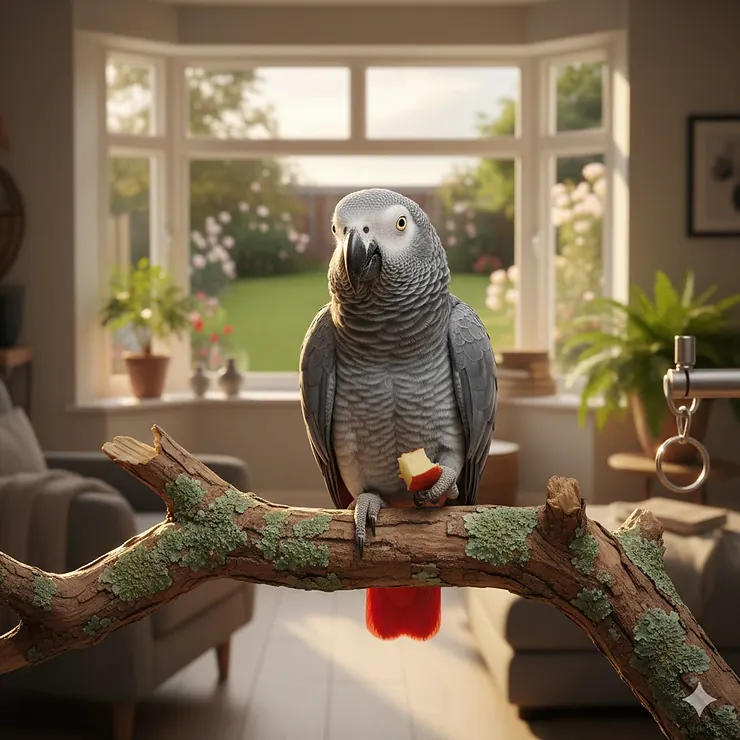
Standing on their feet all day isn’t just exhausting for us humans—it’s your parrot’s entire reality. Unlike you and me, who can plonk ourselves down on the sofa after a long day, our feathered companions spend virtually every waking (and sleeping) hour perched upright. That makes choosing the right natural wood perch for parrot care absolutely crucial, not just a nice-to-have accessory.
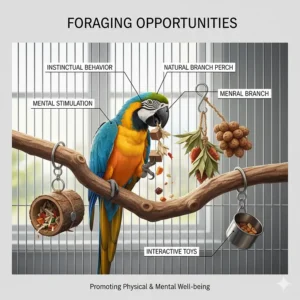
I’ve spent years observing how parrots interact with different perching materials, and the difference between proper and improper perches is staggering. Natural wood perches mimic what parrots experience in the wild—varying diameters, organic textures, and opportunities for beak conditioning. According to VCA Animal Hospitals, birds need perches with varying diameters to distribute pressure across different areas of their feet, preventing painful pressure sores and the serious infection known as bumblefoot.
The beauty of a natural wood perch for parrot housing lies in its authenticity. Each branch offers slightly different grip points, encouraging your bird to constantly adjust their feet throughout the day. This seemingly minor detail becomes a major health benefit—exercised feet mean stronger muscles, better circulation, and happier parrots. Whether you’re caring for a chatty budgie, a cheeky conure, or a majestic African grey, the right perch transforms their cage from merely functional to genuinely enriching.
Quick Comparison Table
| Product | Material | Size Range | Price (£) | Best For |
|---|---|---|---|---|
| AFIODA Natural Wood Sanded Perches | Natural wood + sand coating | 20cm (3-pack) | £8-£12 | Budget option, small-medium birds |
| Northern Parrots Java Straight Perch | Coffee wood | 30cm (medium) | £14-£18 | Durability, medium-large parrots |
| Sky Pets Java Perch Large | Java wood | 35-40cm | £16-£22 | Large parrots, heavy chewers |
| TIAKI Java Wood Stand Perch | Coffee wood | 40.5cm (H) | £18-£25 | Free-standing option, all sizes |
| Natural Branch Multi-Diameter | Hardwood branches | Variable | £6-£10 | Foot exercise, authenticity |
| Fitted Java Branch | Java wood | 41cm | £14-£20 | Medium parrots, cage fitting |
| Cotton Rope + Wood Combo | Mixed materials | 60-90cm | £9-£16 | Arthritic birds, senior parrots |
💬 Just one click – help others make better buying decisions too! 😊
Top 7 Natural Wood Perch for Parrot: Expert Analysis
1. AFIODA 3 Pcs Parrot Perches Natural Wood with Sanded Surface
When budget meets quality, you get the AFIODA Natural Wood Perches—a brilliant starter pack that doesn’t skimp on essentials. Each perch in this three-pack measures approximately 20cm (8 inches) and features a lightly sanded coating over natural wood, creating that perfect balance between grip and comfort.
The sand-textured surface serves double duty: it provides your parrot with secure footing whilst gently filing down nails and beaks during everyday use. UK buyers on Amazon particularly appreciate how these perches help reduce the frequency of nail trimming sessions. The random colour assortment (orange, green, blue, purple) adds visual interest to your bird’s cage, encouraging movement and exploration.
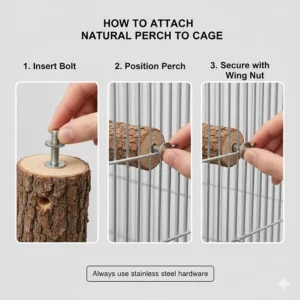
Installation couldn’t be simpler—each perch comes with a built-in metal screw that attaches securely to most standard bird cages without additional tools. Suitable for budgies, parakeets, cockatiels, conures, and lovebirds, these perches tick all the boxes for birds up to medium size.
✅ Pros:
- Excellent value (three perches under £12)
- Natural nail trimming action
- Tool-free installation
❌ Cons:
- Random colours (can’t choose)
- May be too small for larger parrots
Price Range: £8.99-£11.99
UK Availability: Amazon.co.uk with free delivery
2. Northern Parrots Java Straight Perch Medium
The Northern Parrots Java Straight Perch represents premium quality in the world of parrot accessories. Made from retired coffee trees, this perch undergoes a meticulous preparation process—handpicked, sanded, then baked for exceptional toughness. The result? A perch that looks stunning whilst delivering serious durability.
What sets java wood apart is its natural hardness combined with interesting grain patterns. Your parrot’s feet constantly encounter varying textures as they move along the 30cm (12-inch) length, with an average diameter of 4cm (1.5 inches). This diameter variation is precisely what avian veterinarians recommend for optimal foot health.
UK parrot enthusiasts report this perch lasting months even with heavy chewers like African greys and Amazons. The natural chewing action helps keep beaks properly conditioned—think of it as a manicure and pedicure rolled into one. Because each piece comes from natural wood, expect slight variations in appearance, which actually adds to the authentic wild feel.
✅ Pros:
- Exceptionally durable coffee wood
- Veterinarian-recommended diameter variety
- Supports beak health through chewing
❌ Cons:
- Higher price point
- Natural variations may not suit perfectionists
Price Range: £14.99-£17.99
UK Availability: Northern Parrots, Amazon.co.uk
3. Sky Pets Java Straight Perch Large
For owners of larger parrots—we’re talking cockatoos, macaws, and substantial Amazons—the Sky Pets Java Straight Perch Large delivers the robust construction these powerful birds require. Measuring 35-40cm (14-16 inches) in length, this perch can withstand the formidable beak strength of even the most enthusiastic chewers.
The java wood construction provides that critical combination of hardness and natural appeal. As your parrot moves and climbs, their feet remain in constant motion, maintaining optimum health and preventing the muscle atrophy that can develop with uniform dowel perches. UK buyers particularly value how this perch encourages natural behaviours—climbing, gripping, and yes, plenty of satisfying chewing.
HugglePets stocks this perch with full UK warranty coverage, and customer feedback consistently highlights its longevity. One reviewer noted their umbrella cockatoo took three months to make any significant dent in the perch, despite daily enthusiastic chewing sessions.
✅ Pros:
- Perfect for large, powerful birds
- Excellent longevity even with heavy chewers
- Promotes natural climbing behaviour
❌ Cons:
- Overkill for small birds
- Slightly pricey for single perch
Price Range: £16.99-£21.99
UK Availability: HugglePets, specialist bird shops
4. TIAKI Java Wood Parrot Perch Free-Standing
The TIAKI Java Wood Parrot Perch breaks the mould by offering a free-standing design rather than cage mounting. This beautiful piece measures approximately 31 x 31 x 40.5cm (L x W x H), creating an attractive perching station that doubles as enrichment furniture in your bird room.
Made from sustainably sourced java coffee wood, each perch showcases natural branch structures that your parrot would encounter in the wild. The untreated, smoothly polished surface feels comfortable under delicate feet whilst maintaining enough texture for secure gripping. Zooplus UK offers this with free delivery on orders over £39, making it an economical choice when stocking up on supplies.
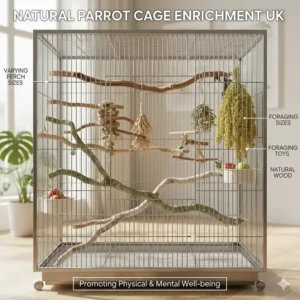
The branch structure allows you to add toys, treats, and foraging opportunities at various heights and angles. Think of it as a mini adventure playground where your parrot can explore, rest, and play throughout the day. Because it’s free-standing, you can easily reposition it for cleaning or to refresh your bird’s environment.
✅ Pros:
- Free-standing design offers flexibility
- Natural branch structure for enrichment
- Sustainable sourcing
❌ Cons:
- Requires floor space
- Natural variations in size/shape
Price Range: £18.99-£24.99
UK Availability: Zooplus.co.uk
5. Natural Hardwood Branch Perches (Multiple Sizes)
Sometimes the best natural wood perch for parrot care is simply that—completely natural. These Natural Hardwood Branch Perches from Scarletts Parrot Essentials come in four sizes (extra small to large) ranging from £6-£10, making them the most authentic and affordable option available.
Unlike manufactured perches, these genuine hardwood branches offer the full spectrum of what parrots experience in nature: irregular shapes, varying diameters along the length, small twigs for nibbling, and that wonderfully organic texture. Your bird’s feet never rest in exactly the same position twice, ensuring comprehensive foot exercise throughout the day.
UK bird keepers love how these branches can be customised—trim them to fit specific cage dimensions, remove smaller twigs if needed, or leave them completely natural. According to research from avian specialists at Lafeber Company, natural branches allow birds to choose their preferred gripping diameter, significantly reducing the risk of foot problems.
✅ Pros:
- Most authentic natural option
- Excellent value for money
- Fully customisable sizing
❌ Cons:
- Shorter lifespan with heavy chewers
- Need periodic replacement
Price Range: £6.00-£10.00
UK Availability: Scarletts Parrot Essentials, specialist shops
6. Fitted Java Branch 41cm
The Fitted Java Branch 41cm represents the perfect middle ground between natural authenticity and practical installation. This java wood perch comes pre-fitted with attachment hardware, eliminating the guesswork whilst maintaining all the benefits of natural wood.
At 41cm (16 inches) length, it suits most standard parrot cages and provides ample space for medium-sized birds to move comfortably. The java wood construction delivers exceptional durability—harder than pine or other softwoods, yet softer than manufactured materials like concrete or mineral perches. This makes it ideal for parrots who need substantial chewing opportunities without risking beak damage.
Currently listed at £16 from Northern Parrots, this perch occasionally goes out of stock due to high demand, which speaks volumes about its quality. The fitted design means you won’t need to jerry-rig mounting solutions or worry about stability. Installation takes seconds, yet the perch provides months of service.
✅ Pros:
- Pre-fitted for easy installation
- Ideal medium size for most cages
- Durable java wood construction
❌ Cons:
- Frequently out of stock
- Fixed length may not suit all cages
Price Range: £14.99-£19.99
UK Availability: Northern Parrots (subject to stock)
7. Cotton Rope Perch with Natural Wood Elements
For senior parrots, arthritic birds, or those recovering from foot injuries, the Cotton Rope Perch offers therapeutic benefits that rigid perches simply can’t match. Available in sizes from 60-90cm (24-35 inches), these bendable perches feature soft, braided cotton wrapped around a sturdy wire core, sometimes incorporating natural wood elements.
The softness matters more than you might think. Hard perches can aggravate pressure points and worsen conditions like bumblefoot, whilst cotton provides cushioned support that reduces stress on aging joints. Northern Parrots’ sisal rope variant (£14.52) offers excellent durability whilst remaining gentle on delicate feet.
According to veterinary guidance from VCA Animal Hospitals, rope perches made from natural hemp or untreated cotton create bumpy surfaces that encourage constant foot adjustment—promoting healthy circulation without causing discomfort. The bendable wire core allows you to shape the perch to fit your bird’s specific needs, creating custom resting spots at preferred angles.
Important safety note: Monitor rope perches regularly for fraying. Remove and replace if individual strands become loose, as these can tangle around toes and cause injury.
✅ Pros:
- Therapeutic for arthritic birds
- Fully bendable for custom positioning
- Soft surface prevents pressure sores
❌ Cons:
- Requires regular inspection for fraying
- Shorter lifespan than hardwood
Price Range: £9.59-£15.99
UK Availability: Amazon.co.uk, Parrot Essentials
Understanding Why Natural Wood Matters for Your Parrot
The Science Behind Natural Perching
Your parrot’s feet contain an intricate network of tendons, muscles, and nerves designed for one primary purpose: gripping. In the wild, parrots spend their days navigating branches of wildly varying diameters—from pencil-thin twigs to thick tree limbs. This constant variety keeps their feet healthy, strong, and pain-free.
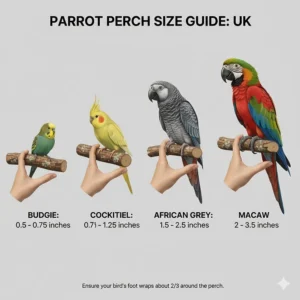
Natural wood perches replicate this essential diversity. According to Dr. Larry Nemetz, a California-based avian veterinarian, the optimal perch allows your bird to wrap its foot approximately 75% of the way around—the famous “75% Perch Rule.” When perches deviate significantly from this guideline, problems develop. Too small, and the joints become cramped and painful. Too large, and your bird cannot achieve a secure grip, leading to anxiety and potential falls.
The varying diameter along a natural branch means your parrot can shift position throughout the day, naturally distributing pressure across different parts of their feet. Research published in avian medicine journals demonstrates that this simple environmental enrichment dramatically reduces the incidence of foot problems in captive birds.
Natural vs Manufactured: What Research Shows
Manufactured perches—those perfectly smooth dowels you see in many pet shops—seem convenient. They’re uniform, easy to clean, and predictable. Unfortunately, they’re also potentially harmful. Studies in avian health consistently demonstrate that birds housed exclusively on same-diameter perches develop foot problems at significantly higher rates than those with varied perching options.
Natural wood offers textural variety that engages your parrot’s sensory system. The slight roughness provides secure footing without abrading delicate skin, whilst the organic irregularities keep feet active and engaged. Compare this to sandpaper-covered perches, which veterinarians actively discourage—they cause foot pad trauma rather than naturally conditioning nails.
The chewing aspect matters too. Parrots possess an innate need to chew, and natural wood safely satisfies this behavioural requirement. Java wood, manzanita, and similar hardwoods provide hours of entertainment whilst conditioning beaks. Your parrot isn’t just perching—they’re actively engaging with their environment in ways that promote both physical and mental wellbeing.
Perch Diameter Guide: Matching Size to Species
Small Birds (Budgies, Lovebirds, Parrotlets)
Recommended diameter: 1.0-1.5cm (0.4-0.6 inches)
Small parrots need surprisingly thin perches to achieve proper foot positioning. A budgie’s delicate toes should wrap comfortably around the perch, with nail tips just touching the surface. Too thick, and they’ll struggle to maintain balance; too thin, and their feet become uncomfortably cramped.
The AFIODA Natural Wood Perches (20cm, sanded) work brilliantly for this size category. Their approximately 1.2cm diameter hits the sweet spot for budgerigars, whilst the light sand texture helps these tiny birds maintain secure footing even during enthusiastic play sessions.
Medium Birds (Cockatiels, Conures, Small Amazons)
Recommended diameter: 1.5-2.5cm (0.6-1.0 inches)
Medium parrots benefit from slightly more substantial perches that can accommodate their stronger grip and heavier body weight. Cockatiels, in particular, appreciate branches with occasional diameter variations—a 1.8cm section transitioning to 2.2cm provides excellent foot exercise.
The Northern Parrots Java Straight Perch Medium, with its 4cm (1.5-inch) average diameter, suits this category beautifully. Whilst thicker than the minimum recommendation, the varying diameter along its length offers multiple gripping options, allowing your bird to choose what feels most comfortable.
Large Birds (African Greys, Large Amazons, Cockatoos)
Recommended diameter: 2.5-5.0cm (1.0-2.0 inches)
Large parrots possess powerful feet capable of exerting tremendous gripping force. They need robust perches that won’t deflect or wobble under their weight. The Sky Pets Java Straight Perch Large, at approximately 3-4cm diameter, provides the substantial foundation these birds require.
Research from the Exotic Pet Hub emphasises that larger species particularly benefit from hardwood perches like java and manzanita. These woods resist the destructive power of strong beaks whilst maintaining surface texture for secure gripping.
Extra-Large Birds (Macaws, Large Cockatoos)
Recommended diameter: 4.0-6.0cm (1.5-2.4 inches)
The gentle giants of the parrot world need genuinely substantial perching. A hyacinth macaw or moluccan cockatoo can splinter inadequate perches in minutes, making diameter and material selection critical safety considerations.
For these magnificent birds, consider custom-cut branches from approved hardwoods or commercial perches specifically rated for extra-large species. The TIAKI Java Wood Free-Standing Perch, whilst not explicitly sized for macaws, can work well as a play stand option when supplemented with thicker cage perches.
Rope Perch Safe for Birds: Essential Safety Guidelines
Understanding Rope Perch Benefits
Rope perches occupy a unique position in avian care—they’re simultaneously one of the most beneficial and potentially dangerous perch types available. When properly maintained, they provide therapeutic advantages no other perch can match. Hemp and untreated cotton rope create naturally bumpy surfaces that promote constant foot movement, improving circulation and preventing pressure sores.
For arthritic parrots or senior birds experiencing joint discomfort, the cushioned support of rope perches offers genuine relief. Unlike rigid perches that force feet into fixed positions, rope compresses slightly under weight, reducing pressure on painful joints. The bendable wire core allows you to position these perches at therapeutic angles—horizontal for roosting, angled for easier climbing, or curved to create interesting pathways.
Critical Safety Protocols
However, rope perches require vigilant monitoring. As birds chew the cotton or hemp fibres, individual strands loosen and can wrap around toes, cutting off circulation. I’ve spoken with avian veterinarians who’ve treated serious injuries from this exact scenario—birds requiring toe amputation because frayed rope strands created tourniquets.
Weekly inspection checklist:
- Examine the entire perch length for loose strands
- Check both ends where rope attaches to hardware
- Feel for areas where the wire core pokes through
- Look for discolouration indicating excessive soiling
- Replace immediately if significant fraying appears
Natural fibre ropes (cotton, hemp, sisal) break down faster than synthetic materials but pose less entanglement risk. The Northern Parrots Sisal Rope Zig Zag Perch (£14.52) uses natural sisal fibres that fray in safer, shorter segments. Synthetic ropes like nylon or polyester create long, strong strands that tangle more readily—avian veterinarians universally recommend avoiding these.
Cleaning and Maintenance
Rope perches absorb droppings and food residue more readily than smooth wood surfaces. Weekly washing in hot, soapy water prevents bacterial buildup. Most cotton rope perches can go directly in the washing machine (gentle cycle, no fabric softener) or dishwasher (top rack, no detergent). Ensure complete drying before reinstalling to prevent mould growth.
Replace rope perches every 3-6 months depending on your bird’s chewing intensity and cleanliness. Consider this an ongoing cost of ownership—the therapeutic benefits justify the replacement expense, provided you maintain proper safety protocols.
Therapeutic Perch Arthritic Birds: Special Considerations
Recognising Arthritis in Parrots
Arthritis affects parrots more commonly than many owners realise, particularly in senior birds and certain predisposed species like African greys. Unlike mammals who might limp or favor a leg, arthritic parrots display subtle behavioral changes that easy to miss: reluctance to climb, spending excessive time on cage floors, shifting weight frequently, or avoiding favorite perches.
Early intervention dramatically improves quality of life. If you notice these signs, consult an avian veterinarian immediately whilst simultaneously adjusting your bird’s perching environment to reduce joint stress.
Optimal Perch Selection for Arthritic Birds
Arthritic parrots benefit from a complete perching overhaul that prioritises comfort without sacrificing foot health. Multiple perch types working together create the most therapeutic environment:
Primary roosting perch: Choose the softest option available—braided cotton rope perches excel here. Position this perch slightly lower than other perches (arthritic birds struggle with excessive climbing) in the cage’s warmest, most secluded corner. The Cotton Rope Perch range (60-90cm, £9.59-£15.99) allows custom shaping to create the perfect sleeping angle.
Exercise perches: Natural wood branches with gentle diameter variations encourage movement without causing pain. Avoid extremely rough textures like concrete or pumice perches—these aggravate inflamed joints. The Natural Hardwood Branch Perches (£6-£10) provide authentic texture without excessive harshness.
Heated perches: Warmth provides genuine therapeutic benefit for arthritic joints. Thermo-perches (available from specialist UK retailers, £20-£35) maintain gentle, consistent warmth that reduces stiffness and improves comfort, particularly during colder months.
Supporting Arthritic Birds Holistically
Perch modification represents just one element of comprehensive arthritis management. Work with your avian veterinarian to address nutrition (omega-3 fatty acids and glucosamine supplements show promise), weight management (excess weight stresses joints), and potentially anti-inflammatory medications for advanced cases.
Environmental adjustments matter too. Lower food and water dishes to reduce climbing requirements. Add multiple perches at varying heights to create “stepping stones” rather than forcing large vertical movements. Ensure your bird can comfortably reach all essentials without painful acrobatics.
Java Wood Perch UK: Why This Material Dominates
The Java Wood Advantage
Walk into any reputable bird shop in the UK, and you’ll notice java wood perches everywhere. This isn’t marketing hype—java wood offers a genuinely superior combination of properties that other woods struggle to match. Sourced from retired coffee trees in Indonesia, java wood undergoes natural selection: only trees that survived decades of agricultural use possess the density and durability suitable for parrot perches.
The preparation process transforms raw timber into avian-safe perches. Harvested branches are thoroughly cleaned, stripped of bark, sanded smooth (but not too smooth), then baked at high temperatures. This baking serves dual purposes: it eliminates potential parasites and bacteria whilst also hardening the wood further. The resulting perches resist the powerful beaks of even large cockatoos and macaws.
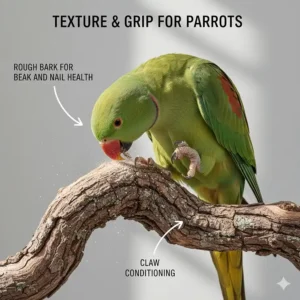
Texture matters as much as hardness. Java wood maintains a naturally grippy surface without feeling rough or abrasive. Your parrot’s feet find secure purchase whilst the wood’s hardness provides satisfying resistance for chewing. Over weeks and months, beaks gradually condition the perch surface, creating personalised grip patterns that actually improve over time.
Sustainability and Sourcing
Environmental consciousness increasingly influences pet product choices, and java wood scores well on sustainability metrics. These perches come from trees that already completed their productive agricultural life—they’re upcycled materials rather than purpose-felled timber. When coffee trees stop producing viable beans (typically after 20-30 years), farmers traditionally burn them as waste. Converting them to perches creates economic value whilst reducing agricultural waste.
Reputable UK suppliers like Northern Parrots and Parrot Essentials work with Indonesian suppliers who follow ethical harvesting practices. Each perch purchase indirectly supports coffee-growing communities by creating markets for materials that would otherwise have no value.
Comparing Java Wood to Alternatives
Manzanita: Harder and more durable than java, but potentially too slippery for some birds. African greys particularly struggle with manzanita’s smooth surface, which can create anxiety about falling.
Pine/Softwoods: Affordable and readily available, but wear down rapidly with moderate chewing. Suitable for budgets or as temporary enrichment, but require frequent replacement.
Dowel Perches: Avoid entirely. These manufactured perches offer no benefits and create genuine health risks through uniform diameter and often toxic finishes.
Perch Variety Importance: Creating the Perfect Cage Environment
The Multi-Perch Philosophy
Imagine spending your entire life standing in one position. Your feet would ache constantly, muscles would atrophy, and joint problems would develop rapidly. Yet many parrot cages contain just one or two perches of identical diameter and material—essentially forcing birds into this exact scenario.
Avian veterinarians universally recommend providing 3-5 perches per cage, each offering different properties:
- Sleeping perch: Comfortable diameter matching the 75% rule, positioned in the cage’s quietest corner at the highest point (most parrots prefer sleeping elevated)
- Exercise perches: Natural branches with varying diameters throughout their length, positioned to encourage movement and climbing
- Activity perch: Located near toys and foraging opportunities, typically a durable material like java wood that withstands intense interaction
- Therapeutic/comfort perch: Rope or soft material for resting arthritic feet, positioned lower in the cage for easy access
- Nail-conditioning perch: Slight texture (natural bark or light sanding) that gently files nails during normal use—never sandpaper, which causes injury
Strategic Perch Placement
Positioning matters as much as selection. Poorly placed perches create frustration, waste cage space, and can even pose safety hazards. Follow these evidence-based guidelines:
Height variation: Parrots are hierarchical creatures who instinctively seek elevated positions. Place the sleeping perch highest, with other perches staggered below. This satisfies your bird’s natural instincts whilst creating interesting vertical space to explore.
Horizontal spacing: Perches should encourage movement without forcing risky leaps. Position them close enough that your bird can step or hop between them (approximately 15-25cm apart for medium birds), but not so close that they interfere with wing movement.
Droppings management: Never place perches directly above food or water dishes. Faecal contamination creates serious health risks. Similarly, avoid positioning perches directly above each other—the lower perch becomes a dropping zone rather than a comfortable resting spot.
Access pathways: Ensure your bird can reach all cage areas—food, water, toys, sleeping spot—without requiring gymnastic feats. Arthritic or elderly birds particularly benefit from “stepping stone” perch arrangements that break long climbs into manageable segments.
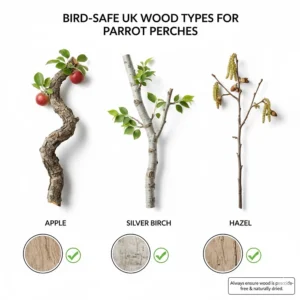
Safe Perch Materials: Approved Woods and What to Avoid
Veterinarian-Approved Natural Woods
Not all wood is created equal when it comes to parrot safety. Some species contain toxins that can poison birds through prolonged contact or chewing. Stick to these thoroughly researched, veterinarian-approved options:
Excellent choices (widely available in UK):
- Java wood (coffee tree)
- Manzanita
- Hardwood fruit trees (apple, pear—ensure untreated)
- Willow
- Birch
- Poplar
- Ash
Good choices (require proper preparation):
- Oak (remove bark, as it contains tannins)
- Maple (non-red varieties)
- Elm
- Hawthorn
Acceptable with caution:
- Pine (softwood, requires frequent replacement)
- Eucalyptus (only certain species are safe)
Absolutely Avoid These Woods
Some commonly available woods pose serious toxicity risks. According to veterinary resources from VCA Animal Hospitals, never use:
- Cherry (contains cyanogenic compounds)
- Redwood
- Cedar (aromatic oils damage respiratory systems)
- Yew (extremely toxic)
- Any wood treated with pesticides, stains, or preservatives
When sourcing branches from your garden, ensure the tree hasn’t been sprayed with pesticides or insecticides within the past year. Even organic sprays can leave residues harmful to sensitive avian respiratory systems.
Preparing Natural Branches Safely
Found a perfect branch in your garden? Brilliant! But it requires proper preparation before entering your parrot’s cage:
- Inspect thoroughly: Check for insect damage, fungal growth, or unusual discolouration. Reject branches with visible problems.
- Remove loose bark: Peel off any bark that comes away easily. Stable, tight bark can remain if it’s from an approved species.
- Scrub with antibacterial soap: Use hot water and antibacterial (but bird-safe) soap to remove surface contaminants.
- Bleach solution soak: Mix one part chlorine bleach with twenty parts water. Soak the branch for 15 minutes in a well-ventilated area away from other birds. This kills parasites and bacteria.
- Thorough rinsing: Rinse extensively with clean water to remove all bleach residue.
- Complete drying: Allow 24-48 hours for full drying before installation. Damp wood encourages bacterial and mould growth.
Maintaining Your Natural Wood Perches: Cleaning and Replacement
Weekly Cleaning Protocols
Natural wood perches require regular maintenance to remain safe and hygienic. Parrots produce substantial quantities of droppings—up to 25-50 times daily for small species—and perches inevitably become soiled. Bacterial and fungal growth on dirty perches can cause serious foot infections.
Weekly cleaning routine:
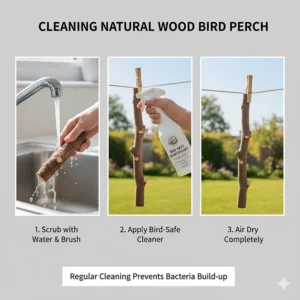
Remove perches from the cage during your regular cleaning schedule. For sealed or finished wood perches, scrub with hot, soapy water using a stiff brush to remove dried droppings and food residue. Rinse thoroughly and allow to dry completely before reinstalling.
Natural branch perches with bark require gentler handling. Excessive scrubbing damages the bark, reducing the perch’s textural benefits. Spot-clean heavily soiled areas whilst leaving intact bark sections undisturbed. Some owners keep two sets of natural perches, rotating them weekly to allow extended drying time.
Deep Cleaning Methods
Monthly or when visibly soiled, natural wood perches benefit from deeper cleaning:
Vinegar soak method: White vinegar (diluted 1:1 with water) provides natural antibacterial action without harsh chemicals. Soak perches for 30 minutes, scrub, rinse thoroughly, and dry completely. The vinegar smell dissipates during drying.
Dishwasher method: Hardwood perches without bark can go directly in the dishwasher (top rack, no detergent with fragrances). This method sterilises whilst removing stubborn residue. Not suitable for softwoods or perches with intact bark.
Baking method: For thorough sterilisation, bake clean, dry perches at 200°F (93°C) for 30 minutes. This kills bacteria, parasites, and eggs that survive washing. Allow complete cooling before reinstalling.
Knowing When to Replace
Even the highest-quality natural wood perch for parrot care eventually requires replacement. Watch for these indicators:
Structural damage: Cracks extending through more than one-third of the perch diameter compromise strength. A perch that breaks under your bird’s weight can cause injuries.
Excessive splintering: Some chewing-induced splintering is normal and even beneficial. However, when sharp splinters protrude from multiple areas, they pose puncture risks to feet and tongues.
Permanent soiling: Deep staining that survives thorough cleaning harbors bacteria despite surface sterilisation. When perches remain visibly dirty after proper cleaning, replacement time has arrived.
Surface deterioration: Smooth perches worn completely slippery through use no longer provide adequate grip. Conversely, overly rough surfaces from excessive weathering can abrade foot pads.
Size changes: As your parrot chews, perch diameter gradually reduces. When diameter drops below the minimum recommendation for your bird’s species, foot health suffers. Replace with a fresh perch of appropriate girth.
Budget approximately £10-£25 quarterly for perch replacement, depending on your parrot’s size and chewing intensity. Consider this preventative healthcare rather than optional expense—the cost of treating bumblefoot or other foot problems far exceeds regular perch replacement.
Understanding Perch-Related Foot Problems
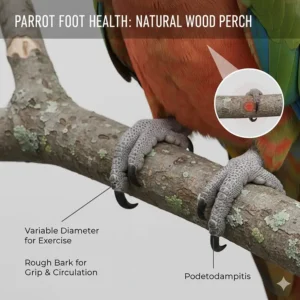
Bumblefoot (Pododermatitis)
Bumblefoot represents one of the most common yet preventable parrot ailments. This serious bacterial infection develops on the underside of the foot when pressure sores become infected. Early stages present as redness and mild swelling, progressing to painful abscesses, deep tissue damage, and potentially bone infections if untreated.
According to research highlighted by Lafeber Company, bumblefoot develops almost exclusively in birds housed on inappropriate perches—specifically, cages containing only same-diameter perches or perches with diameters too small for the bird’s foot size. The constant pressure on identical foot areas creates skin breakdown, allowing bacterial entry.
Prevention strategies:
- Provide 3-5 perches of varying diameters
- Ensure at least one perch matches the 75% rule precisely
- Include soft perches (rope, wrapped) for pressure relief
- Maintain scrupulous perch cleanliness
- Monitor foot health during weekly handling
Warning signs requiring immediate veterinary attention:
- Redness or swelling on foot pads
- Reluctance to perch normally
- Shifting weight between feet constantly
- Visible lesions or scabs
- Limping or favoring one foot
Pressure Sores
Before bumblefoot develops, parrots often experience painful pressure sores—areas of damaged skin resulting from prolonged pressure on the same foot regions. Think of them as bedsores for birds. The constant standing position makes parrots particularly vulnerable, especially when cage environments fail to provide perching variety.
Pressure sores appear as reddened, thickened areas on foot pads. Your bird may exhibit subtle behavioral changes: spending more time on cage floors, frequently shifting weight, or avoiding formerly favorite perches. Catching pressure sores at this early stage allows simple intervention—perch variety addition—to resolve the problem before infection develops.
Arthritis and Joint Problems
Ageing parrots commonly develop arthritis, particularly in toe joints. While genetics and overall health play roles, perch selection significantly impacts arthritis severity and progression. Joints forced into cramped positions for extended periods develop inflammation and degeneration far more rapidly than joints regularly exercised through varied movement.
Natural wood perches with diameter variation encourage constant micro-adjustments in joint position. This gentle exercise maintains joint flexibility and muscular support whilst preventing the stiffness that exacerbates arthritis pain. Think of it as physiotherapy built into your bird’s daily routine.
Creating the Ultimate Perching Environment: Step-by-Step Guide
Step 1: Assess Your Bird’s Specific Needs
Before purchasing anything, evaluate your parrot’s individual requirements:
Species considerations: A budgie requires vastly different perch diameters than an African grey. Review the perch diameter guide earlier in this article to identify appropriate size ranges.
Age and health status: Senior parrots and those with existing foot problems need softer, more forgiving perch materials. Young, healthy birds can handle harder woods that provide greater chewing satisfaction.
Activity level: Highly active birds benefit from challenging perch arrangements that encourage climbing and exploration. Sedentary parrots need gentle encouragement through strategic perch placement.
Chewing intensity: Powerful chewers like cockatoos require the most durable materials (java wood, manzanita), whilst gentle species can use softer woods that provide easier beak conditioning.
Step 2: Calculate Required Perch Quantity
Minimum recommendations by cage size:
- Small cages (45cm/18″ width): 3 perches minimum
- Medium cages (60-75cm/24-30″ width): 4-5 perches
- Large cages (90cm+/36″+ width): 5-6 perches
Ensure perches don’t overcrowd the cage. Your bird needs clear flight paths and wing-stretching space. If adding another perch requires removing a toy or creating cramped conditions, you’ve reached capacity.
Step 3: Select Perch Variety
Build a diverse perching portfolio:
Foundation perch (1): Premium natural wood like the Northern Parrots Java Straight Perch (£14.99-£17.99) serves as the primary roosting spot. Position this highest in the cage.
Exercise perches (2-3): Natural hardwood branches (£6-£10 each) with varying diameters create engaging climbing opportunities. Position these at different heights and angles.
Comfort perch (1): Cotton rope perch (£9.59-£15.99) provides therapeutic relief. Place lower in the cage for easy access.
Activity perch (1): Durable java wood near toys and foraging areas handles intense interaction. The AFIODA sanded perches (£8.99-£11.99 for 3) offer excellent value here.
Step 4: Strategic Installation
Height hierarchy: Sleeping perch highest, activity perches mid-level, comfort perch lower. This arrangement satisfies instinctive preferences whilst creating interesting vertical space.
Avoid direct alignment: Stagger perches so they’re not positioned directly above each other. This prevents the lower perch becoming a dropping zone.
Create pathways: Arrange perches so your bird can navigate the entire cage through stepping or short flights, never requiring risky leaps.
Leave flight space: Ensure at least one clear horizontal flight path spans the cage width. This allows essential wing exercise.
Test stability: Each perch should remain rock-solid when you apply firm pressure. Wobbly perches create anxiety and increase fall risk.
Step 5: Monitoring and Adjustment
The perfect perching environment evolves. Watch your bird’s behavior:
Favorite spots: If your parrot consistently avoids certain perches, reassess their positioning or material. Forced use of uncomfortable perches leads to health problems.
Wear patterns: Examine which perches show the most chewing damage. This reveals your bird’s preferences and helps guide future purchases.
Foot health: Weekly during handling, inspect your bird’s feet for any redness, swelling, or abnormalities. Early detection prevents minor issues becoming serious problems.
Seasonal adjustments: Consider adding heated perches during winter months for arthritic birds. Summer might justify adding a bathing platform perch.
UK Regulations and Safety Standards for Parrot Products
Understanding UK Pet Product Regulations
Following Brexit, UK pet product regulations diverged slightly from EU standards, though most requirements remain aligned. Natural wood perches generally fall under general product safety regulations rather than specific pet product legislation. However, responsible manufacturers ensure their products meet stringent safety criteria.
UKCA marking: Post-Brexit, products sold in Great Britain require UKCA (UK Conformity Assessed) marking rather than CE marking. This indicates the product meets UK safety requirements. While not legally required for simple wood perches, reputable suppliers often pursue this certification for customer confidence.
Material safety: All materials must be non-toxic and appropriate for the intended species. The UK’s Animal Welfare Act 2006 requires pet products to support animal welfare, creating legal liability for sellers of inherently dangerous products.
Importing Perches and International Purchases
Many UK parrot owners purchase from European suppliers or directly from Indonesian manufacturers. When importing perches:
Customs considerations: Products valued under £135 typically clear customs smoothly. Above this threshold, you’ll pay VAT and potentially customs duties. Factor these costs into price comparisons.
Phytosanitary certificates: Technically, raw wood products entering the UK should carry phytosanitary certificates confirming pest-free status. In practice, small personal imports rarely face scrutiny, but commercial quantities require proper documentation.
Treatment requirements: Some jurisdictions require heat treatment or fumigation for imported wood products. Reputable suppliers handle this during manufacturing. If purchasing from individual sellers abroad, verify treatment status.
Consumer Rights Protection
UK consumer rights provide robust protection for defective or mis-sold products:
30-day return period: Under the Consumer Rights Act 2015, you can return faulty goods within 30 days for full refund. This applies to perches that arrive damaged, substantially different from descriptions, or unsafe.
Reasonable durability: Perches must last a reasonable time given their price and description. A “durable java wood perch” that splinters after one week fails this requirement, entitling you to remedy.
Accurate descriptions: Sellers must honestly describe their products. Marketing a cheap pine perch as “premium java wood” constitutes misrepresentation, allowing return and potential compensation.
Seasonal Considerations for UK Parrot Keepers
Winter Perching Strategies
British winters challenge tropical parrots adapted to equatorial climates. Cold temperatures affect more than just ambient air—perches themselves become uncomfortably cold, particularly those positioned near windows or external walls.
Heated perches: Products like the Thermo-Perch (available from specialist UK retailers, £20-£35) maintain gentle warmth during cold months. Position these as primary roosting spots, allowing your parrot to benefit from therapeutic warmth during long winter nights.
Positioning adjustments: Move perches away from drafty areas, particularly those near windows or doors. Cold drafts stress birds and can lead to respiratory issues. Consider rearranging the cage to position sleeping perches in the warmest corner of your home.
Material choices: Natural wood retains heat better than metal hardware. If you’re using perches with metal mounting brackets, wrap these sections with veterinary wrap or natural rope to prevent direct contact with cold metal.
Summer Perch Management
British summers, whilst mild compared to tropical climates, still present challenges:
Overheating prevention: Ensure sleeping perches aren’t positioned where direct sunlight hits during peak afternoon hours. Even parrots adapted to warm climates can overheat when unable to escape sun exposure.
Bathing perches: Consider adding designated bathing or shower perches during summer months. Natural wood perches positioned where you can spray them with water bottles create refreshing cooling stations. The Sandy Shower Window Perch (£26, Scarletts Parrot Essentials) specifically designs for this purpose.
Increased cleaning frequency: Warmer temperatures accelerate bacterial growth on soiled perches. Increase cleaning from weekly to twice-weekly during summer months, particularly for perches in direct sunlight.
FAQ
❓ What diameter natural wood perch should I choose for my African grey parrot?
❓ Are rope perches genuinely safe for parrots, or should I avoid them entirely?
❓ How often should I replace my parrot's natural wood perches?
❓ Can I use branches from my garden as parrot perches?
❓ Why does my parrot constantly shift weight between feet whilst perching?
Conclusion: Investing in Your Parrot’s Foundation
Your parrot’s feet represent their primary interface with their environment—the tools they use for every activity from eating to sleeping. Choosing appropriate natural wood perches isn’t just about cage decoration; it’s fundamental healthcare that prevents painful conditions whilst enriching your bird’s daily experience.
The seven natural wood perch for parrot options reviewed in this guide offer solutions for every budget and species. Whether you select budget-friendly AFIODA sanded perches (£8.99-£11.99), invest in premium Northern Parrots java wood (£14.99-£17.99), or create therapeutic environments with cotton rope perches (£9.59-£15.99), you’re making an investment that pays dividends in your bird’s health and happiness.
Remember the core principles: variety in diameter, diversity in texture, strategic positioning, and regular maintenance. These simple guidelines transform good intentions into effective foot health management. Your parrot can’t tell you when their feet hurt, but they’ll show you through behaviour—spending time on cage floors, shifting weight constantly, or avoiding favorite activities. Don’t wait for problems to develop. Implement proper perching now whilst your bird’s feet remain healthy.
The UK market offers excellent access to quality perches through retailers like Amazon.co.uk, Northern Parrots, Parrot Essentials, and Scarletts. Take advantage of free delivery thresholds (typically £39) to stock up on multiple perch types simultaneously. Building a comprehensive perching environment doesn’t require enormous expense—£40-£60 purchases everything needed for most cage sizes.
Your parrot’s feet carry them through every moment of every day. Give them the foundation they deserve.
Recommended for You
- 7 Best Budgie Breeding Cages UK: Expert Guide 2026
- 7 Best Walk In Aviary UK 2026
- 7 Best Garden Aviary UK 2026
Disclaimer: This article contains affiliate links. If you purchase products through these links, we may earn a small commission at no additional cost to you. Prices shown are approximate and may vary. All product recommendations are based on thorough research and genuine assessment of suitability for parrot care. Always consult an avian veterinarian for specific health concerns.
✨ Found this helpful? Share it with your mates! 💬🤗
