In This Article
If you’ve ever watched a bird go from bright-eyed and chatty to fluffed-up and silent in the space of a day, you’ll understand why so many owners start hunting for the top immune support supplements for pet birds the moment winter draws in, or the moment a new bird arrives home. Birds are masters at hiding illness until they genuinely can’t anymore, which is exactly why prevention matters more here than it does with, say, a dog or cat who’ll happily tell you they feel rotten.
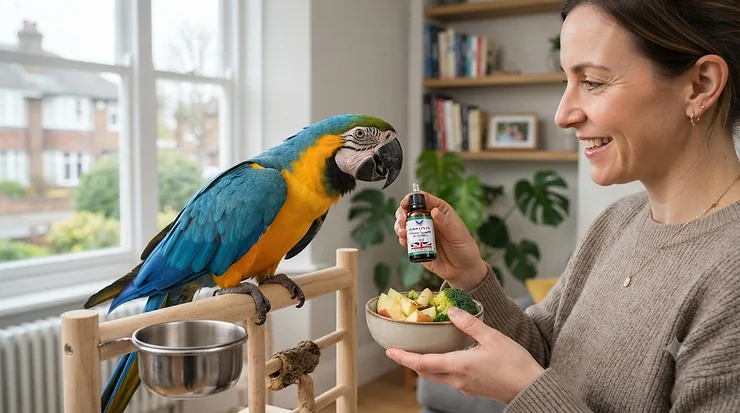
What is avian immune support? In practical terms, it means giving a bird’s diet the vitamins, minerals, probiotics or herbal compounds it needs to maintain a robust natural defence system, particularly during periods of stress, moulting, cold weather or after a change of environment — always alongside, never instead of, proper veterinary care. According to the MSD Veterinary Manual, several serious avian conditions are directly linked to stress, and preventative measures like quarantine and careful husbandry play a central role in avoiding them.
This guide sticks to real, currently available UK products, honest analysis of what each one actually claims and doesn’t claim to do, and straight talk about where supplements genuinely help versus where a trip to an avian vet is the only sensible next step. Nothing here should be read as a substitute for veterinary advice — think of it as a well-informed starting point for a conversation with your vet, not a replacement for one.
Quick Comparison Table
| Supplement | Format | Best For |
|---|---|---|
| Nekton-S Multi-Vitamin | Powder | Best all-round daily multivitamin |
| Vetark Avipro Plus | Powder | Recovery after illness or antibiotics |
| Vetark Avipro Avian | Powder | Daily digestive and immune maintenance |
| Beaphar XtraVital with Echinacea | Complete food | Budget-friendly echinacea option |
| Aviform Avigold Advance | Liquid tonic | Premium all-in-one support |
A glance at this table shows the split that matters most: powders and liquids you add to water or food for daily maintenance, versus targeted formulas meant for specific moments of stress, like recovering from antibiotics or coping with a house move. The Vetark Avipro Plus and Vetark Avipro Avian are the two most explicitly vet-formulated options here, while Nekton-S is the closest thing to an industry-standard daily multivitamin, used in zoos and aviaries worldwide. If echinacea specifically is what you’re after, Beaphar XtraVital builds it directly into a complete food rather than a separate dosed supplement.
💬 Just one click — help others make better buying decisions too!😊
Top 7 Immune Support Supplements for Pet Birds: Expert Analysis
1. Nekton-S Multi-Vitamin — best all-round daily multivitamin
Nekton-S has been the reference point for daily avian vitamin supplementation for over 40 years, and it’s worth understanding why before writing it off as “just another multivitamin.” The formula packs 13 vitamins, 18 amino acids and the full range of minerals and trace elements a bird needs, added to drinking water or soft food at a simple 1g-per-250ml ratio. Based on the spec comparison with single-nutrient products, what sets Nekton-S apart is breadth rather than potency in any one area — it’s designed to plug the gaps left by a seed-heavy diet rather than to treat an active illness, which matters because, according to the manufacturer, up to 90% of the ailments vets treat in birds are linked back to inadequate feeding rather than infection alone. Reviewers consistently note long-term satisfaction rather than dramatic short-term effects, which tracks with how a genuine daily multivitamin should perform; one long-term owner reported using it for over 20 years across multiple parrots with consistently good health outcomes, while another specifically credited it with visibly improving feather colour within a month of starting. What most buyers overlook is that Nekton-S is explicitly designed to be combined with other Nekton products (such as their calcium or vitamin E formulas) rather than used as a total solution on its own, so treat it as the foundation of a supplement routine rather than the whole routine.
Pros:
- ✅ 13 vitamins and 18 amino acids in one formula
- ✅ Decades of use in zoos and professional aviaries
- ✅ Simple water or soft-food dosing
Cons:
- ❌ Not formulated to treat active illness
- ❌ Best value only if used consistently, not sporadically
Typically priced around £15-£20 for the 150g pack, this is the sensible baseline pick if you’re starting a daily immune-support routine from scratch.
2. Vetark Avipro Plus — best for recovery after illness or antibiotics
Vetark Avipro Plus takes a genuinely different approach from a standard multivitamin: it’s a veterinary-formulated blend of probiotic bacteria, prebiotic fibre, electrolytes and vitamins A, C and E, specifically designed for moments when a bird’s system is under strain. Here’s what to weigh: the manufacturer is explicit that this product is particularly valuable during and after antibiotic treatment, since antibiotics disrupt the gut’s natural bacterial balance and can allow harmful bacteria to take hold, and the added fructo-oligosaccharide prebiotic fibre is included specifically to help the reintroduced probiotic bacteria establish themselves rather than simply passing through. Based on the spec comparison with general-purpose vitamin powders, the electrolyte content is a genuinely useful addition for birds experiencing diarrhoea or other fluid loss, which a standard multivitamin formula doesn’t typically address. What the spec sheet won’t tell you, but the product description notes, is that this formula is also recommended during routine stressful events like rehoming or diet changes, not just active illness, making it a sensible thing to have on hand before a stressful event rather than only reaching for it afterwards. This is a genuinely targeted, vet-formulated recovery aid rather than an everyday multivitamin, and it’s worth using it as such.
Pros:
- ✅ Vet-formulated probiotic and prebiotic combination
- ✅ Electrolytes included for fluid loss support
- ✅ Specifically indicated for post-antibiotic recovery
Cons:
- ❌ Not intended as a long-term daily multivitamin
- ❌ Best used under vet guidance during illness
Priced around £14-£20 depending on pack size, this is worth keeping in a bird first-aid kit rather than using continuously.
3. Vetark Avipro Avian — best for daily digestive and immune maintenance
Where Avipro Plus is positioned as a recovery aid, Vetark Avipro Avian is the same manufacturer’s version built for regular, ongoing use across all bird species, from finches to large parrots. The formula combines a soluble probiotic and prebiotic blend with added vitamins A, C and E and electrolytes, dosed simply at one scoop per 200ml of drinking water for general use, rising to one scoop per 100ml specifically for birds under stress. On paper this means a fairly similar ingredient list to Avipro Plus, and that’s honest — the real difference is positioning and dosing guidance rather than a fundamentally different formula. Based on the spec comparison with Avipro Plus, Avipro Avian is explicitly marketed for maintaining digestive health as part of a normal routine, rather than as a reactive recovery product, which makes it the better everyday choice for owners wanting ongoing gut and immune support rather than a just-in-case product. Reviewers and stockists consistently note its high palatability as a practical advantage, since a supplement a bird refuses to drink obviously provides no benefit at all regardless of formula quality. What most buyers overlook is that because this is added to drinking water rather than food, it needs fresh preparation daily to avoid bacterial contamination in the water bowl, which is a genuinely important hygiene point rather than a minor inconvenience.
Pros:
- ✅ Suitable for all bird species and life stages
- ✅ High palatability supports consistent daily use
- ✅ Combines probiotic, prebiotic and vitamin support
Cons:
- ❌ Requires fresh daily preparation in drinking water
- ❌ Similar formula to Avipro Plus can cause confusion between the two
Typically found around £10-£20 depending on pack size, this is a solid pick for owners wanting a genuine daily-use immune and digestive supplement.
4. Beaphar XtraVital with Echinacea — best budget echinacea option
Beaphar XtraVital takes a different route from the powders and liquids above by building echinacea directly into a complete parrot food, alongside banana, papaya and egg food, rather than dosing it separately. The manufacturer states plainly that the echinacea content is included specifically to support a healthy immune system and to promote recovery after illness, which is a fairly bold claim worth treating with appropriate caution — echinacea’s immune effects are genuinely studied in poultry and some evidence supports immune-modulating properties, but robust, bird-specific clinical trials in companion parrots remain limited. Based on the spec comparison with straight vitamin supplements, the advantage here is practicality: rather than remembering to add a separate echinacea dose, it’s baked into a food a seed-eating bird would be consuming anyway, which meaningfully improves the odds of consistent, long-term use. Here’s what to weigh: because this is a complete food rather than a top-up supplement, it works best as a full or partial diet replacement rather than an addition on top of an existing seed mix, so factor that into how you introduce it. Reviewers consistently note that the high protein, low fat profile also supports healthy bodyweight alongside the immune claims, which is a genuinely useful secondary benefit for seed-only diets prone to obesity.
Pros:
- ✅ Echinacea built directly into daily food
- ✅ High protein egg food supports plumage and condition
- ✅ Practical, no separate dosing required
Cons:
- ❌ Echinacea’s efficacy in pet birds specifically lacks strong clinical evidence
- ❌ Works best as a diet change, not a simple top-up
Typically priced around £15-£20 for the 3kg bag, this is a sensible budget-friendly way to trial echinacea without a dedicated liquid or extract.
5. Beaphar Multi-Vit Liquid for Parrots & Parakeets — best low-cost starter supplement
Beaphar Multi-Vit is about as straightforward as bird supplements get: a liquid multivitamin containing 12 vitamins, including A, D3, E, C, B1, B2, B6, B12 and K, designed to be mixed through food or drinking water at 5-7 drops per bird per day. Reviewers consistently note that customers appreciate the value for money here, with the manufacturer’s own review summary highlighting one owner whose parrot got through a heavy moult more comfortably while using it, and another specifically noting benefits for an eclectus parrot. Based on the spec comparison with premium multivitamin powders, this genuinely does cover the core vitamin bases that a seed-heavy diet commonly lacks, particularly vitamin A, which the manufacturer specifically flags as a common deficiency in parrots that favour sunflower seeds. What most buyers overlook is that a liquid format like this is generally easier to dose accurately for owners with a single bird than a powder designed around larger flock quantities, since the drop-based dosing scales down more precisely. Honest caveat: at this price point, don’t expect the amino acid or trace mineral breadth of a premium formula like Nekton-S — this is a genuinely good entry point rather than a comprehensive long-term solution for a bird with more complex nutritional needs.
Pros:
- ✅ Covers 12 core vitamins including A, D3 and C
- ✅ Precise drop-based dosing for single birds
- ✅ Low cost entry point for new bird owners
Cons:
- ❌ Narrower nutrient range than premium powder formulas
- ❌ Less suited to birds with existing health complications
Usually priced between £4 and £8, this is the most accessible starting point on this list for a first-time immune boosting bird supplement.
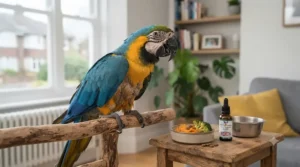
6. Fab Finches Guardian Angel — best targeted sick-bird formula
Fab Finches Guardian Angel is positioned explicitly as a sick-bird supplement rather than a general wellness product, and the ingredient panel backs that framing up: it combines high-dose vitamins A, D3 and E, a full B-vitamin complex, a wide mineral spread, allicin concentrate, glucose polymers, yeast extracts and freeze-dried beneficial bacteria into one formula. On paper this means a considerably more concentrated and specialised blend than an everyday maintenance vitamin, and the dosing guidance reflects that — smaller, precise amounts calculated per bird size (from a pinch for small finches up to two pinches for an Amazon or grey parrot) rather than a blanket daily measure. Here’s what to weigh: this level of formulation is genuinely intended to help a compromised bird’s system respond quickly, which is valuable, but it also means this isn’t a product to reach for casually as a everyday tonic — it’s designed for the specific window when a bird is already showing signs of being unwell, ideally alongside veterinary attention rather than as a substitute for it. What most buyers overlook is the inclusion of freeze-dried beneficial bacteria alongside the vitamin load, which addresses gut health at the same time as general nutritional support, a combination that matters because gut disruption commonly accompanies illness and stress in birds. This is a first-aid-kit product, not a daily-rotation one.
Pros:
- ✅ High-potency formula designed for active illness
- ✅ Precise per-bird-size dosing guidance
- ✅ Combines vitamins, minerals and beneficial bacteria
Cons:
- ❌ Not intended for everyday casual use
- ❌ Higher price point than general maintenance supplements
Priced from around £14 upward depending on pack size, this is worth having on hand specifically for illness rather than as a routine daily addition.
7. Aviform Avigold Advance — best premium all-in-one tonic
Aviform Avigold Advance is the most comprehensive single product on this list, combining multivitamins, essential oils, electrolytes and minerals, amino acids, a prebiotic, nucleotides and the manufacturer’s own “Aviaryguard” blend into one daily liquid tonic added to drinking water. Reviewers consistently note long-term loyalty to this product line, with several breeders describing decades of continuous use across finches, budgerigars and canaries, particularly during moulting and chick-rearing, both periods of significantly elevated nutritional demand. Based on the spec comparison with single-purpose supplements like Avipro Plus or Beaphar Multi-Vit, the sheer ingredient breadth here is the standout feature — this is genuinely trying to be a complete daily support product rather than addressing one specific gap, which explains both its higher price and its “super tonic” positioning from the manufacturer. What the spec sheet won’t tell you, but reviewers note, is that measuring accuracy can be a mild practical frustration; more than one reviewer flagged that the markings on the measuring cup or syringe were hard to read precisely, which is worth knowing before you’re trying to dose it correctly for a small finch at 6am. For dedicated aviary keepers managing multiple birds through breeding season or a hard winter, the breadth of support here genuinely justifies the premium positioning; for a single pet parrot on a good varied diet, it may be more comprehensive than strictly necessary day to day.
Pros:
- ✅ Combines seven distinct support categories in one tonic
- ✅ Strong long-term reputation among breeders
- ✅ Suitable across canaries, finches, budgies and parrots
Cons:
- ❌ Measuring accessories can be difficult to read precisely
- ❌ Comprehensive formula costs more than single-purpose options
Typically priced around £15-£30 depending on the 500ml or 1000ml bottle size, this is the set worth choosing if you want one product to cover multiple nutritional bases at once.
Practical Usage Guide: How to Introduce an Immune Boosting Bird Supplement Safely
Introducing any immune boosting bird supplement works best gradually rather than all at once, particularly with liquid additions to drinking water, since a sudden change in taste can put a suspicious bird off drinking altogether — and a bird that stops drinking because it dislikes the taste of its supplemented water is worse off than one on no supplement at all. Start by preparing a fresh, correctly diluted mix daily rather than pre-mixing a batch to last several days; most manufacturers, including Vetark and Aviform, specifically recommend daily fresh preparation because bacteria can multiply in nutrient-enriched water left standing in a warm room. A common mistake in the first 30 days is dosing based on rough guesswork rather than the bird’s actual weight or the manufacturer’s stated ratio, so measure properly rather than eyeballing it, particularly with concentrated formulas like Guardian Angel where dosing is calculated per bird size. It’s also worth introducing a new supplement during a calm period rather than alongside another major change (a house move, a new cage, a new bird), since layering multiple changes together makes it harder to identify what’s causing any reaction, positive or negative.
✨ Don’t Miss These Exclusive Deals!
🔍 Take your bird’s daily routine to the next level with these carefully selected supplements. Click through to check current pricing and availability before you buy — a well-supported immune system starts with consistency, not a single lucky purchase.
Real-World Scenario: Matching Supplements to Your Bird’s Situation
Picture three different bird-keeping situations, each genuinely calling for a different product from this list. First, the healthy pet parrot on a good varied diet whose owner simply wants sensible year-round support: Nekton-S or Beaphar Multi-Vit fit well here, since both are designed for consistent daily use rather than crisis response, and the choice between them largely comes down to budget and whether you prefer a powder or liquid format.
Second, the newly rehomed rescue bird settling into an unfamiliar home: Vetark Avipro Avian is a strong fit, since its explicit positioning around stress, rehoming and diet transitions matches exactly what a recently relocated bird is experiencing, and the added electrolytes and vitamins A, C and E help offset the physical toll that stress genuinely takes on a bird’s system.
Third, the bird currently on a course of vet-prescribed antibiotics for a respiratory or bacterial issue: Vetark Avipro Plus or Fab Finches Guardian Angel become relevant here, specifically because both are formulated with the disruption antibiotics cause to gut flora in mind. This is precisely the scenario where a quick conversation with your avian vet about which product (and dosing schedule) fits alongside their prescribed treatment matters most, rather than adding a supplement independently.
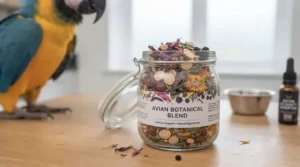
Buyer’s Decision Framework: Which Bird Immune Supplement Fits Your Situation?
If your bird is healthy and you want simple year-round maintenance, choose Nekton-S or Beaphar Multi-Vit, because both are formulated for consistent daily use rather than reactive support. If your budget is tight and this is your first bird supplement purchase, choose Beaphar Multi-Vit, because its low cost and precise drop-based dosing make it the most accessible genuine starting point. If your bird has just arrived home, been rehomed, or is going through a stressful transition, choose Vetark Avipro Avian, because its formulation specifically targets the physical impact of stress alongside general digestive and immune support. If your bird is recovering from illness or has recently finished a course of antibiotics, choose Vetark Avipro Plus or Fab Finches Guardian Angel, ideally in consultation with your vet, because both are formulated around gut flora recovery rather than general maintenance. If you keep multiple birds through breeding season or a demanding winter and want comprehensive coverage in one product, choose Aviform Avigold Advance, because its broad ingredient list is built for exactly that higher-demand context. If you specifically want to trial echinacea without separate dosing, choose Beaphar XtraVital, because it’s built directly into a complete food rather than requiring an additional step.
How to Choose Top Immune Support Supplements for Pet Birds
- Match the product to the situation, not just the species. A supplement built for daily maintenance and one built for active illness recovery are different tools, even when both are labelled “immune support.”
- Check the delivery format against your bird’s habits. A bird that barely drinks from an open bowl may respond better to a food-based supplement like Beaphar XtraVital than a water additive.
- Read the dosing instructions before buying, not after. Some products dose per bird, others per body weight or per volume of water — mismatching this is a common and avoidable error.
- Favour vet-formulated products for anything beyond routine maintenance. Vetark’s range and similar veterinary-formulated products are worth prioritising specifically when a bird is unwell or recovering, rather than reaching for a general tonic.
- Consider your bird’s existing diet, not just the supplement alone. A bird already eating a well-formulated pelleted diet needs less top-up support than one on seed alone.
- Think about consistency of use, realistically. The best-formulated supplement provides little benefit if it’s too fiddly to prepare daily; a simpler product used consistently often outperforms a complex one used sporadically.
- Factor in whether multiple birds are involved. Larger households or aviaries generally get better value from bulk formats like Aviform Avigold Advance’s 1000ml option than from single-bird liquid drops.
Winter Immune Support for Birds vs Year-Round Maintenance
Winter immune support for birds genuinely differs from a year-round baseline routine, and it’s worth being specific about why. Cold weather increases a bird’s metabolic demands simply to maintain body temperature, which means nutritional needs — particularly for energy-dense fats and certain vitamins — can rise during the coldest months, especially for birds kept in outdoor aviaries rather than climate-controlled indoor rooms. On paper this means a case can be made for stepping up supplementation specifically through winter, and several of the products on this list, including Aviform Avigold Advance and Vetark Avipro Avian, are explicitly marketed with stress and seasonal demand in mind. That said, the honest position is that a genuinely well-balanced diet and stable, draught-free housing do more heavy lifting through winter than any supplement alone can, and supplements work best as a top-up to good husbandry rather than a substitute for it. A sensible seasonal approach is maintaining your usual baseline supplement (Nekton-S or Beaphar Multi-Vit, for instance) through the milder months, then considering a step up to a more comprehensive product like Avigold Advance or Avipro Avian specifically through the coldest stretch, rather than running a maximal supplement routine year-round regardless of season.
Common Mistakes When Using Bird Immune Supplements
The most common mistake is treating a supplement as a substitute for veterinary care rather than a complement to it — a genuinely unwell bird needs a vet, not just a stronger dose of tonic, and delaying that visit while hoping a supplement resolves things can allow a treatable condition to progress. A closely related mistake is stacking multiple overlapping supplements simultaneously (a multivitamin plus a separate vitamin A product plus a separate calcium product, for instance) without checking for overlapping ingredients, which risks over-supplementation of fat-soluble vitamins like A and D3 that can accumulate to harmful levels, unlike water-soluble vitamins that are simply excreted in excess. Owners also frequently underestimate the importance of fresh daily preparation for water-based supplements, leaving a mixed bottle or bowl to sit for days, which allows bacterial growth in what should be a health-supporting product. Another frequent misstep is inconsistent use — starting a supplement enthusiastically, then dosing sporadically once the initial concern passes, which undermines the entire premise of preventative, ongoing support. Finally, it’s worth flagging that assuming any product labelled “immune support” has been through rigorous bird-specific clinical trials is often not accurate; much of the underlying research, particularly around herbal ingredients like echinacea, comes from poultry studies or general veterinary experience rather than companion-parrot-specific trials, which doesn’t make these products useless but does mean expectations should stay realistic.
What to Expect: Real-World Performance
Specs and marketing copy only tell part of the story, so here’s what these categories of supplement tend to actually deliver in practice. Daily multivitamins like Nekton-S and Beaphar Multi-Vit generally show their value gradually, over weeks rather than days, typically through subtler signs like improved feather condition, more consistent moulting, and steadier energy levels rather than any single dramatic change. Vet-formulated recovery products like the Vetark Avipro range tend to show more noticeable short-term effects specifically around digestive normalisation — firmer droppings, improved appetite — because they’re addressing an acute disruption (antibiotics, stress, illness) rather than a gradual dietary gap. Sick-bird-specific formulas like Guardian Angel are designed to be part of a faster-acting support package during active illness, and realistically their effect is hardest to isolate from concurrent veterinary treatment, which is exactly as it should be — these products are meant to work alongside professional care, not instead of it. Across every category here, the single biggest predictor of a supplement “working” isn’t the formula at all — it’s consistency of correct use alongside an already reasonable diet and living environment, since no supplement meaningfully compensates for a genuinely poor baseline diet or an unsuitable cage environment.
Echinacea for Birds: What the Evidence Actually Says
Echinacea for birds is one of the more debated additions in avian supplementation, and it deserves an honest look rather than a blanket endorsement or dismissal. The plant has a long history of use by avian vets and bird keepers as an immune-supporting herb, with some practitioners reporting clinical improvement in birds showing signs of infection or recovering from antibiotic treatment, and toxicity studies indicate it’s generally well tolerated in animals at typical dosages. On the research side, peer-reviewed evidence specifically in companion pet birds remains limited, but a 2025 study on Echinacea purpurea polysaccharide supplementation in immunosuppressed broiler chickens found measurable improvements in growth performance, immune organ indices and intestinal health, published in a study available via the National Center for Biotechnology Information. That’s genuinely useful supporting evidence, but it’s worth being precise about what it does and doesn’t show: it’s poultry research under specific experimental conditions, not a companion-parrot clinical trial, so treating it as definitive proof of benefit for a pet cockatiel or parrot would overstate the evidence. In practice, this means echinacea-containing products like Beaphar XtraVital are reasonable to try as part of a broader immune-support approach, particularly given the low reported toxicity risk, but they shouldn’t be relied upon as a primary treatment for an actively unwell bird, where veterinary diagnosis and treatment remain essential.
The Avian Immune System: A Quick Primer
Understanding roughly how a bird’s immune system works helps explain why supplementation strategies differ so much from those for mammals. Birds rely on both innate immunity (rapid, non-specific first-line defences) and adaptive immunity (a slower, pathogen-specific response), much like mammals do, but birds also carry unique immune tissue, including the bursa of Fabricius, an organ specific to birds that plays a central role in developing antibody-producing cells. What most owners overlook is that birds are also physiologically adapted to mask outward signs of illness far more effectively than most mammals, a survival trait rooted in the fact that a visibly sick bird is an obvious target for predators in the wild — which is precisely why subtle signs matter so much in captivity, and why by the time a pet bird looks obviously unwell, the underlying issue may already be fairly advanced. Nutrition plays an outsized role in supporting this system because several of the vitamins commonly deficient in captive bird diets — particularly vitamin A — are directly involved in maintaining the health of mucous membranes that form a first line of physical defence against pathogens in the respiratory and digestive tracts. This is the underlying reason nearly every product on this list leads with vitamin A, alongside C and E, rather than treating it as an incidental ingredient.
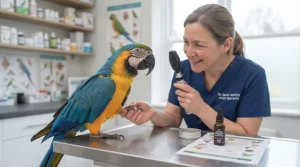
Stress and Illness Susceptibility in Pet Birds
The link between stress and illness susceptibility in birds isn’t just anecdotal — it’s backed by a meaningful body of research into corticosterone, the primary avian stress hormone, and its direct effects on immune function. A study published in the Journal of Experimental Biology and indexed via PubMed found that elevated corticosterone during the stress response causally suppressed key components of innate immune activity in house sparrows, providing direct evidence that stress doesn’t just make a bird “act off” — it measurably reduces the body’s first line of defence against pathogens. Based on the spec comparison between acute and chronic stress research, this matters practically because common events in a pet bird’s life — a house move, a new bird introduced to the household, a change in routine, even a loud environment — can trigger genuine, physiologically measurable immune suppression, not just behavioural stress. What most owners overlook is that this creates a feedback loop worth planning around: a stressed bird becomes more vulnerable to infection at precisely the moment (a new environment, contact with unfamiliar birds) when exposure risk is often also elevated. This is exactly why several of the supplements on this list, including Vetark Avipro Avian, are explicitly formulated with stress-related nutritional support in mind, and why minimising unnecessary stressors matters just as much as any supplement choice.
Quarantining New Birds: Why It Matters for Immune Health
Quarantining new birds is one of the single most effective, and most frequently skipped, steps in protecting an existing bird’s immune health. The core principle is straightforward: a newly acquired bird may be carrying an infectious condition without showing any visible symptoms, and the stress of the move itself can be enough to trigger a previously dormant infection to become active and contagious. According to The Parrot Society UK, hygiene, disinfection, and quarantine and isolation of all new stock are considered paramount in controlling serious avian diseases like psittacosis, which can otherwise spread silently through a household’s existing birds. In practice, this means housing a new bird in a completely separate room from existing birds, using separate cleaning equipment and food and water containers, and attending to the new bird’s care last in your daily routine, specifically to avoid transferring anything on your hands or clothing to your established flock. A typical recommended quarantine period runs from several weeks up to six, depending on the source and guidance you’re following, with a veterinary health check and appropriate testing carried out during that window wherever possible. It’s worth pairing this quarantine period with sensible immune support for the new arrival specifically — Vetark Avipro Avian’s stress-focused formulation is a reasonable fit here — precisely because the stress of relocation is, as covered above, a genuine trigger for illness in a bird that may otherwise have coped perfectly well.
Features That Actually Matter (And Those That Don’t)
Not every claim on a bird supplement label carries equal practical weight, so here’s an honest filter. Features that genuinely matter: a clear, species-appropriate dosing guide (per bird weight or per volume of water, stated precisely), inclusion of vitamin A specifically given how commonly deficient it is in seed-based diets, probiotic and prebiotic combinations for anything positioned around illness recovery or antibiotic use, and manufacturer transparency about which situations a product is and isn’t formulated for. Features that sound impressive but matter less in isolation: very long ingredient lists without clear reasoning for each inclusion, since breadth alone doesn’t guarantee a better outcome if core nutrients like vitamin A and B-complex are already well covered by a shorter formula; strong flavouring or colouring claims, which matter more for palatability than for any health outcome; and vague “boosts immunity” marketing language without any indication of what specific mechanism or ingredient is doing the boosting. The takeaway, based on the spec comparison across all seven products here, is that clarity of purpose beats breadth of ingredients — a targeted product used correctly for the right situation will generally outperform a sprawling formula used vaguely or inconsistently.
Long-Term Cost & Value
Thinking beyond the initial purchase price changes how these seven products stack up over a full year of ownership. Low-cost daily options like Beaphar Multi-Vit offer the cheapest entry point but need consistent, ongoing repurchasing to maintain any benefit, since their value comes entirely from regular use rather than occasional dosing. Mid-range vet-formulated products like the Vetark Avipro range sit at a genuine practical sweet spot for most owners: not needed daily in the same way as a baseline multivitamin, but valuable enough to justify keeping on hand for the specific situations (stress, illness recovery, rehoming) they’re designed for, which stretches a single pack across a longer useful period. Premium comprehensive tonics like Aviform Avigold Advance cost more upfront, particularly in the 1000ml size, but for owners keeping multiple birds through demanding periods like breeding season or winter, the cost-per-bird works out considerably lower than buying several single-purpose products separately. A sensible long-term approach for most single-pet-bird households is a genuine baseline (Nekton-S or Beaphar Multi-Vit) used consistently, supplemented by a targeted recovery product (Vetark Avipro Plus or Guardian Angel) kept in reserve specifically for illness or stress events, rather than attempting to run every product on this list simultaneously.
Frequently Asked Questions
❓ What is the best immune support supplement for pet birds?
❓ Is echinacea safe for birds?
❓ How long should you quarantine a new pet bird?
❓ Do birds need more immune support in winter?
❓ Can stress make a pet bird more likely to get sick?
Conclusion
Choosing among the top immune support supplements for pet birds really comes down to matching the product to your bird’s actual situation rather than picking whichever one has the most impressive-sounding label. For a healthy bird on a decent diet, a consistent daily baseline like Nekton-S or Beaphar Multi-Vit does the steady, unglamorous work of filling common nutritional gaps. For a bird navigating stress, a house move, or a new arrival settling in, Vetark Avipro Avian’s stress-focused formulation earns its place. And for genuine illness or post-antibiotic recovery, Vetark Avipro Plus or Fab Finches Guardian Angel are worth having on hand, ideally used alongside veterinary guidance rather than in place of it. Whichever product or combination you land on, the strongest predictor of real-world benefit isn’t the formula on the label — it’s consistent, correctly dosed use layered on top of a genuinely good diet, stable housing, and quarantine discipline for any new arrival. Supplements support a bird’s immune system; they don’t replace the basics that keep it strong in the first place.
Recommended for You
- Feather Health Supplement for Parrots: 7 Best Picks 2026
- Vitamin supplement for moulting birds: 7 Real UK Picks for 2026
- 7 Best Bird Probiotic Supplement Review Picks for 2026 (UK)
Disclaimer: This article contains affiliate links. As an Amazon Associate, I earn from qualifying purchases. If you purchase products through these links, we may earn a small commission at no additional cost to you. This article is for general informational purposes only and is not a substitute for professional veterinary advice — always consult an avian vet regarding your bird’s specific health needs.
✨ Found this helpful? Share it with your friends! 💬🤗
