
In This Article
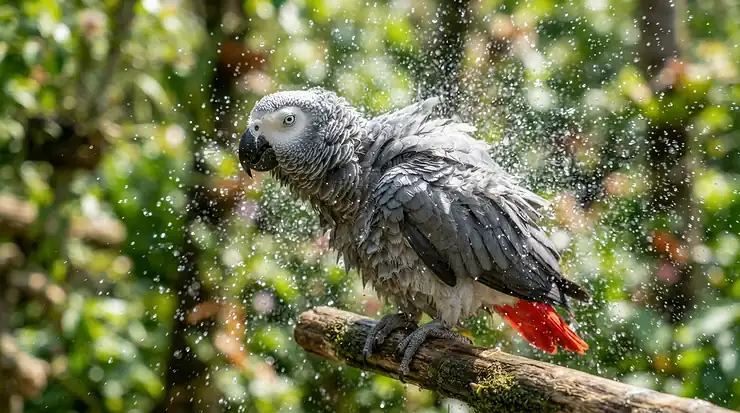
Your parrot’s wild ancestors didn’t wake up to a ceramic bowl of tepid tap water. They woke up to rain: warm, drifting, endless, drumming through the canopy and soaking every feather. Your living room has radiators, double glazing and the dry air that comes with them. A fine mist sprayer for parrots is the closest thing to that rainforest downpour you can buy for the price of a sandwich.

Why bother? A wet bird does something rather clever. It starts preening, pulling each feather through its beak, zipping separated barbules back together and spreading protective oil. Skip the water and that routine gets patchy, which can mean flaky skin and dusty plumage. Avian veterinary education material goes further and links inadequate bathing and low humidity with feather picking.
The catch is that not every sprayer is up to the job. Some blast out a cold jet that sends a nervous cockatiel to the bottom of the cage. Others clog, leak or cramp your hand after thirty seconds. I’ve compared seven real options using published specifications, retailer listings and the wider body of owner and veterinary advice. I haven’t tested any of them myself, and where the evidence is thin I’ll say so plainly.
What Is a Fine Mist Sprayer for Parrots?
A fine mist sprayer for parrots is a hand-held bottle or pump sprayer that turns plain water into a soft, drifting cloud of tiny droplets, mimicking light rainfall. Owners use it to shower birds gently, encourage natural preening, and add short bursts of moisture to dry indoor air, without startling the bird with a harsh, direct jet.
Prices below are ranges recorded at the time of research from UK parrot retailers, and they may vary on Amazon UK, so always check the current price and availability.
Quick Comparison: The Seven Best Parrot Misting Bottle Options at a Glance
Before the deep dives, here’s the whole field on one screen. Capacities and mist styles come from published listings. Where a listing didn’t state a figure, the table says “check listing” rather than guessing.
| Product | Capacity | Mist style | Price range | Best For |
|---|---|---|---|---|
| Hari Feather Mister | 500 ml | Ultrafine, continuous | Check current price | Nervous birds, daily misting |
| Rainforest Splash | Check listing | Gentle continuous drizzle | Check current price | Medium and large parrots |
| Fine Mist Maker | 300 ml | Mist chamber, 360° head | Under £10 | Quiet, easy-grip daily showers |
| Pump Action Mister | Up to 1 litre | Pressurised, lockable | Around £10 | Several birds, big macaws |
| Trigger Mister | 240 ml | Trigger spray, compact | Under £6 | Small birds, first-timers |
| Parrot Essentials Mister | Check listing | Gentle fine mist | Under £6 | Tight budgets |
| AviFood Shower Spray | 250 ml | Ready-made bathing spray | £20-£25 range | Dry skin and dander worries |
Looking at the table, the Fine Mist Maker and Trigger Mister are the budget heroes, both comfortably under £10, although the Trigger Mister is the one your finger will tire of first. If you’re misting a mixed flock, the Pump Action Mister‘s one-litre tank justifies its bulk. The Hari Feather Mister is the one I’d weigh first for a jumpy bird. The AviFood Shower Spray is a different beast altogether: a conditioning product rather than a plain bottle.
💬 Just one click — help others make better buying decisions too!😊
Top 7 Parrot Misting Bottle Picks: Expert Analysis
Each pick below follows the same pattern: what the specs mean in practice, who it suits, what aggregated reviews can honestly tell us, and whether it’s worth the money.
1. Hari Feather Mister 500 ml — ultrafine continuous mist for timid birds
The standout is the ultrafine, continuous mist, a spray so fine that a bird who bolts at every trigger click might actually stay put.
The 500 ml reservoir is generous enough for a full shower for one or two birds without a mid-session refill. The maker highlights pre-compression technology. On paper that means the bottle builds pressure before it releases, so you get an even cloud rather than a splutter on the first squeeze. Add an ergonomic body and a hold-and-mist action, and your hand isn’t squeezing a trigger fifty times. That matters if you’re misting daily through a long, dry winter.
Based on the spec comparison, this is a sensible match for shy conures, cockatiels and rescue birds that need a gentle introduction to water. It also suits larger parrots. The manufacturer links misting with preening, flapping and wing exercise, which fits the broader veterinary picture.
I couldn’t verify a meaningful pool of independent UK reviews for this exact listing, so I won’t invent a verdict. Skim the current Amazon UK reviews for leak or nozzle complaints before you buy.
Pros:
- ✅ Ultrafine continuous mist suits nervous birds
- ✅ Generous 500 ml tank for longer sessions
- ✅ Ergonomic body reduces hand fatigue
Cons:
- ❌ Independent UK review data is hard to find
- ❌ Bulkier than pocket-sized trigger bottles
Check current price. The design points to the budget-to-mid range, which looks fair value for a continuous-mist build.

2. Parrot Wizard Rainforest Splash — gentle drizzle, not a harsh blast
Its pitch is a soft drizzle rather than a spray, and the smaller droplets are meant to soak through plumage instead of bouncing off it.
That droplet size is the whole game. Large droplets sit on top of feathers and feel like being flicked with water. Fine ones drift down and wet the feather shafts, which is what triggers a proper bath. The continuous-spray design means you aren’t pumping a trigger, so your hand stays steady and the mist stays consistent. The brand also says you can use the bottle for cage cleaning, a handy bonus. I’d still keep a dedicated bird-only bottle rather than switching between jobs.
The brand’s own tip is worth stealing: spray over your bird, not directly at it. The advice fits veterinary guidance on introducing mist indirectly, so it’s good technique with any sprayer.
Parrot Wizard sells mainly through its own website, so check that the amazon.co.uk listing is genuinely available and note the delivery time. I couldn’t find a verifiable body of UK reviews, so treat enthusiasm for this model with caution until you’ve read recent buyer feedback.
Pros:
- ✅ Fine droplets designed to penetrate feathers
- ✅ Continuous spray avoids trigger fatigue
- ✅ Doubles as a cage-cleaning mister
Cons:
- ❌ UK availability and delivery times need checking
- ❌ Capacity not clearly stated in my research
Check current price. It looks like a mid-range purchase, and worthwhile if the droplet quality lives up to the claim.
3. Fine Mist Maker Spray Bottle for Parrots 300 ml — quiet, rotating, hand-friendly
The headline feature is a mist chamber, which lets you keep spraying for several seconds without a trigger-clenching hand.
At 300 ml, the tank covers a typical shower for a single bird with a little left over. The 360° rotating head is the unsung hero. You can mist upwards at a macaw’s wings or sideways at a budgie on a perch without turning the whole bottle upside down. The listing also stresses quiet operation, which matters more than it sounds. A loud hiss is exactly the sort of thing that sends a startle-prone bird flapping for cover.
The bottle comes empty, so there’s no bathing solution inside to worry about. Plain lukewarm water is all it needs. The listing recommends it for species ranging from budgies and cockatiels to African Greys, Amazons and cockatoos. Treat that as a size guide, not gospel. You know your bird best.
I couldn’t verify a large pool of independent reviews for this exact bottle. At this price the risk is small, though check recent feedback for leaks around the head.
Pros:
- ✅ Rotating head reaches awkward angles
- ✅ Quiet operation keeps nervous birds calm
- ✅ Mist chamber eases hand strain
Cons:
- ❌ 300 ml runs out fast with several birds
- ❌ Independent review pool hard to verify
Under £10 at the time of research. That is excellent value for the feature set.
4. Pump Action Mister 1 litre — pressurised power for bigger households
The big draw is the one-litre tank paired with a lockable button, so the mist keeps flowing while your hands do something else.
Here’s how it works. You fill it with up to a litre of water, pump air in with the plunger, then press the handle button. A sliding lock holds the button down for continuous misting. It measures roughly 30 cm long and 10 cm wide, built from BPA-free plastic and metal. For a household with an Amazon, an African Grey and a conure sharing a room, that capacity means one fill instead of five.
The trade-off is weight and theatre. A full litre isn’t light, and pressurised sprayers can release with a noticeable hiss. A confident macaw may ignore it, while a nervy cockatiel may not, so test it away from your bird first. The retailer listing also showed the item sold out at the time of research, so availability fluctuates.
I couldn’t verify meaningful independent reviews for this model. Since it’s pressure-based, check recent feedback for pump seal durability.
Pros:
- ✅ One-litre tank suits multi-bird homes
- ✅ Lock button gives hands-free continuous mist
- ✅ BPA-free plastic body
Cons:
- ❌ Heavy and awkward when full
- ❌ Pressure release may hiss near timid birds
Around £10 at the time of research. Good value if you’re misting more than one bird.
5. Bird Mister Trigger Spray 240 ml — pocket-sized and wallet-friendly
Small, simple, cheap: this is the “just add water” bottle that gets a first-time owner started.
At roughly 15 cm tall and 6 cm wide, it slips into a bag for travel, vet trips or a quick top-up of moisture in a hotel room. The BPA-free plastic body keeps things safe for beaks, and the listing names a wide range of suitable species, from conures, lovebirds and Quakers to African Greys and macaws. For a small bird, a 240 ml tank is plenty.
Be honest about the limits. A trigger action means repetitive squeezing, and anyone with a weak grip will feel it fast. For a big parrot that wants a ten-minute drenching, you’ll run dry and tire out simultaneously. This is a bottle for brief mists and small birds, not a flock-washing workhorse.
I couldn’t verify a robust review base for this specific listing, and the retailer page showed it sold out at the time of research. Check availability, and read recent comments about nozzle quality, since cheap triggers sometimes spit rather than mist.
Pros:
- ✅ Compact, easy to carry and store
- ✅ BPA-free plastic construction
- ✅ Very low cost of entry
Cons:
- ❌ Trigger squeezing tires the hand quickly
- ❌ 240 ml too small for big parrots
Under £6 at the time of research. A cheap experiment worth making.

6. Parrot Essentials Mister and Shower Spray — budget bottle with sensible advice
The standout is a gentle fine mist at a price that barely registers.
The seller pitches it as a way to refresh feathers and encourage proper preening. The listing also carries the single most useful piece of guidance in this whole category: never spray your bird too often or too much. It’s a small reminder, but one that stops enthusiastic owners turning bath time into a soaking.
The honest drawback is information. I couldn’t find a published capacity or a detailed description of the spray mechanism, so my analysis is thinner than for the others. That’s why I’d treat it as a budget alternative to the Trigger Mister rather than a first choice. If you buy it, check the listing for size and test the mist on your hand before you let it near a bird. It should feel like soft drizzle, not pinpricks.
Without a verifiable independent review pool for this exact bottle, I can’t summarise real buyer sentiment, and I’d rather say so than make something up.
Pros:
- ✅ Very low price keeps experimenting risk-free
- ✅ Listing includes sensible over-spraying advice
- ✅ Gentle fine mist for daily use
Cons:
- ❌ Capacity and mechanism details are sparse
- ❌ Little independent review evidence available
Under £6 at the time of research. Fair value for a no-frills bottle, but not a standout.
7. AviFood Shower Bathing Spray 250 ml — ready-made conditioning for dry skin
This one is not just a bottle. It’s a ready-made bathing solution, pitched as a natural one-step shower that cleanses feathers and restores moisture lost to dry indoor air.
The listing says it can be used daily, helps reduce dander and dust, and should be held at least 30 cm from the bird. That distance is a good habit for any spray product. The maker lists species from budgies and cockatiels to African Greys, Amazons and cockatoos.
Here’s the reasoning to weigh. Plain lukewarm water in any of the bottles above gives most birds a perfectly good shower. A conditioning product costs far more per millilitre, so it’s a nice-to-have rather than a must-have. If you already struggle with a dusty cockatiel or a flaky-skinned Amazon in winter, it’s worth considering, but veterinary guidance says to read labels and consult your avian vet before using any product on your bird. Keep it out of children’s reach, as it’s for animal use only.
I couldn’t verify a trustworthy pool of independent reviews for this exact product, so check current buyer feedback.
Pros:
- ✅ Ready to use, no mixing needed
- ✅ Aimed at dander and dry-air skin concerns
- ✅ Suitable for daily use per the listing
Cons:
- ❌ Far costlier per use than plain water
- ❌ Independent evidence of results is thin
Around the £20-£25 range at the time of research. Pricey, so only worth it if dryness is a genuine problem.
Side-by-Side: Mechanism, Handling and Who Each Suits
Specs only mean something when you map them to your actual home. This table pulls out the handling traits that decide whether you’ll still be using the bottle in March.
| Product | Mechanism | Handling | Ideal household | Best For |
|---|---|---|---|---|
| Hari Feather Mister | Pre-compressed continuous mist | Ergonomic body | 1-3 birds | Nervous or rescue birds |
| Rainforest Splash | Continuous spray | Check listing | 1-3 birds | Medium to large parrots |
| Fine Mist Maker | Mist chamber, rotating head | Easy-grip, quiet | 1-2 birds | Everyday gentle showers |
| Pump Action Mister | Pump plus locking button | Heavy when full | 3+ birds | Large birds, bigger flocks |
| Trigger Mister | Trigger squeeze | Pocket-sized | 1 small bird | Travel, quick refreshes |
| Parrot Essentials Mister | Spray bottle | Check listing | 1 bird | Budget buyers |
| AviFood Shower Spray | Pre-filled spray | Standard bottle | 1 bird | Conditioning, dander control |
Reading across, the real divide is continuous versus trigger action. The Hari Feather Mister, Rainforest Splash and Pump Action Mister all spare your hand, while the Trigger Mister and Parrot Essentials Mister ask you to squeeze. If you’re misting every day, that difference compounds quickly. The Fine Mist Maker sits in the sweet spot, with a chamber that reduces squeezing without the bulk of a pressure tank.

How to Choose a Fine Mist Sprayer for Parrots
Picking a fine mist sprayer for parrots is simpler once you put your own bird, home and hands first. Follow these steps in order.
- Match the bottle to your bird’s nerves. A shy cockatiel needs the softest, quietest mist. A bold Amazon will tolerate more. If in doubt, choose the finest, quietest option.
- Count your birds. One small bird needs 240-300 ml. Several large parrots point towards a litre-class pressure sprayer.
- Judge hand strain honestly. If you have arthritis, a weak grip or a long misting routine, favour continuous or chamber designs over a trigger.
- Test the droplet size. Spray onto the back of your hand. It should feel like gentle drizzle, not pinpricks. A bad nozzle makes even a good bottle useless.
- Check the materials. BPA-free plastic is a sensible baseline, and a wide mouth makes refilling and rinsing easier.
- Decide whether you need extras. A conditioning spray is optional. Plain water is the standard choice, and your avian vet is the right person to ask about additives.
- Think about availability. Stock fluctuates. Retailer listings showed some bottles sold out during research, so check current availability before you commit.
A good parrot misting bottle is a small purchase, but the wrong one can put a bird off bathing altogether, which is why this checklist deserves ten honest minutes.
Misting Technique: A Step-by-Step Guide to Manual Misting for Birds
Good misting technique is 20% hardware and 80% manners. Manual misting for birds gives you something no automatic system can: instant feedback, because you can stop the second your parrot says no. Here’s a routine built from veterinary and enrichment guidance rather than hunch.
- Pick the warm part of the day. Enrichment specialists advise bathing during the warmest hours so feathers dry before temperatures drop.
- Fill with lukewarm water. Cold water is an unpleasant surprise, and hot water is dangerous.
- Test on your own hand. The spray should feel like a soft drizzle.
- Aim up and to the side. A veterinary client-education handout from Lafeber advises introducing spraying indirectly by misting beside or above your bird.
- Keep it short at first. Start with a few seconds, then lengthen sessions as confidence grows.
- Read the bird. Fluffed feathers, lifted wings and leaning in mean yes. Retreating or freezing means stop.
- Allow a warm, draught-free dry-off. Let your parrot shake and preen without a chill.
- Never use the spray as punishment. The same veterinary guidance is explicit on this. One bad association can undo months of progress.
A common first-month mistake is chasing a bird round the cage. Don’t. Let the bird come to the mist and the habit builds itself.
Real-World Scenarios: Which Sprayer for Which Bird?
Specs are abstract. Here are three typical households, each matched to a product with reasoning.
The flat-dweller with a cockatiel. Her radiators run from October to April, and the dust on the shelves says it all. Budget is tight, and misting happens daily for a minute or two. The Fine Mist Maker fits: quiet, rotating, easy on the hand, and under £10. If she wants a cheaper backup for travel, the Trigger Mister earns its place.
The multi-bird family. Three birds, an Amazon, an African Grey and a conure, share a bird room. Sessions are longer, a few times a week. The Pump Action Mister‘s one-litre tank and lock button mean a single fill covers the room, and the extra weight is a fair price for fewer refills.
The rescue conure owner. The bird flinches at water. Gentle introduction is everything, so the Hari Feather Mister‘s ultrafine, continuous mist is the sensible starting point. Short sessions, misting above and beside the bird, and lots of patience matter more than the bottle.
In each case, fine mist spray bathing works best when the tool disappears into the routine. Pick the bottle that fits your daily reality, not the one with the most impressive listing.
Problem → Solution: When Your Parrot Hates the Mist
Even the best fine mist sprayer for parrots won’t fix a bird that’s decided baths are a conspiracy. These are the usual sticking points.
Problem: The bird flees at the first spritz. Switch to indirect misting, spraying above and beside rather than at the bird. Start with a few seconds and pair sessions with a favourite treat. A softer, quieter bottle like the Hari Feather Mister or Fine Mist Maker helps.
Problem: The nozzle clogs. In hard-water parts of the UK, limescale can block a fine nozzle. Rinse thoroughly after use and occasionally descale with diluted white vinegar, then rinse again very well.
Problem: Your hand cramps. Move from a trigger to a continuous or chamber design. The Rainforest Splash, Hari Feather Mister and Pump Action Mister all reduce repetitive squeezing.
Problem: The bird shivers afterwards. Check room warmth, mist earlier in the day, and let it dry naturally in a draught-free space. Some shaking is part of normal preening.
Problem: Feather chewing seems to be getting worse. Don’t rely on a bottle. Persistent feather damage, broken feathers or stress bars need an avian vet.
Good misting technique solves most of these before the bottle ever matters.
Humidity Benefits for Parrots (And How Far a Sprayer Gets You)
The humidity benefits of regular misting are real, but they have limits. Most parrot species come from humid environments, and Best Friends Animal Society notes that regular baths mimic the rainfall birds would experience in the wild, with benefits for skin and feather health. It suggests that one or two baths a week is a minimum, with daily or every-other-day bathing ideal for most birds.
The air matters too. The same guide suggests a humidifier with a built-in hygrometer, set to around 55%, because mould starts to grow at about 60%. UK central heating makes this very relevant. By January, many homes sit well below that comfortable range.
Avian care guides also report that Amazons in particular can suffer chronic sinus problems in dry winter months, and that a humid environment often eases them. Dry air is also a bigger issue for dander-producing species such as cockatiels, cockatoos and African Greys.
The honest takeaway: a mist session delivers a short, targeted burst of moisture right where your bird needs it. It won’t change the humidity of a whole room. Think of the sprayer as the daily shower and the humidifier as the climate. Used together, they cover both ends. If your bird has a persistent respiratory problem, speak to an avian vet rather than relying on misting alone.

Preening Stimulation: What the Mist Actually Triggers
The most underrated benefit of a mist bath is preening stimulation. Wet feathers send a clear signal to get to work.
Preening is a maintenance behaviour in which a bird uses its beak to position feathers, interlock separated barbules, clean the plumage and keep ectoparasites in check. Birds also fluff and shake to help “rezip” those barbules. Many birds use oil from the preen gland to condition the plumage as they go. A bath primes all of this. The bird gets soaked, shakes, and then spends a satisfying stretch of time working through each feather.
The Lafeber handout makes the wider point: bathing stimulates preening and is essential for normal feather health, and inadequate bathing plus low humidity has often been linked to feather picking. Preening is also enrichment. It fills time with a natural, self-rewarding behaviour that a caged bird might otherwise lack.
Watch for the good signs: fluffing, wing-lifting, leaning into the mist, then a long preen. Watch too for the red flags. If your bird seems obsessed with chewing or plucking, the bottle isn’t the answer, and a vet visit is.
Fine Mist Spray Bathing vs Traditional Alternatives
Fine mist spray bathing isn’t the only option. Here’s how it compares with the other common routes.
| Method | Setup cost | Effort | Triggers preening | Best For |
|---|---|---|---|---|
| Handheld mist bottle | Low | Moderate | Yes | Fine Mist Maker for everyday use |
| Pump sprayer | Low | Low | Yes | Pump Action Mister for bigger flocks |
| Shallow bathing dish | Very low | Very low | Often | Bold birds who like to splash |
| Shower perch | Moderate | Moderate | Yes | Birds that love showering with you |
| Outdoor rain (supervised) | Free | Weather-dependent | Yes | Birds in a safe aviary or cage |
The dish and the shower perch are good alternatives for the right bird, and the Royal Veterinary College advises that water should always be available in a shallow saucer for bathing. But many parrots simply won’t use a bowl, and a shower perch needs a confident bird. Misting wins on flexibility. It works for the nervous, the stubborn and the old, and it asks nothing of the bird except to stand still and enjoy it. For the stay-at-home owner in a small flat, manual misting for birds is also the lowest-fuss way to get moisture on feathers daily.
Common Mistakes When Buying a Parrot Misting Bottle
Even a tiny purchase can go wrong. These are the pitfalls worth dodging.
Choosing on price alone. A very cheap bottle with a spitty nozzle can put a bird off bathing. Spend a few pounds more on a reliably fine mist.
Ignoring hand strain. If you’ll be misting daily, a repetitive trigger will wear you down. Choose a continuous or chamber design if you can.
Buying too big or too small. A litre pressure sprayer is overkill for one budgie, and 240 ml is thin for three macaws.
Reusing a cleaning bottle. Never use a bottle that has held household chemicals. Buy a dedicated parrot misting bottle and keep it for water only.
Assuming a product beats plain water. Conditioning sprays like the AviFood Shower Spray may suit specific problems, but veterinary advice is to read labels and consult an avian vet first. Avoid human shampoos too, as they can strip the natural oils.
Misting too often or too hard. The Parrot Essentials Mister listing says it plainly: never spray your bird too often or too much. Let your bird’s body language set the pace.
Long-Term Cost, Cleaning and Safety
The best news about a fine mist sprayer for parrots is how little it costs to run. Take a bottle under £10 used three times a week for a year, which is about 150 sessions. That works out at well under 7p per shower, even before you count the water. Compare that with a conditioning spray. If you used around 30 ml per session (a rough illustration, not a manufacturer figure), a 250 ml bottle at £20-£25 would cover about eight sessions, or roughly £2.40-£3.00 each. That’s a perfectly good choice for a specific skin problem, but it isn’t a casual daily habit for most households.
Maintenance is minimal but worth doing:
- Rinse the bottle after use and let it air dry.
- Replace water daily if you keep it topped up, so it never sits stagnant.
- Descale occasionally in hard-water areas, then rinse very thoroughly.
- Replace the bottle if the mist turns spitty. A tired nozzle isn’t worth fighting.
On safety, keep bird bottles separate from cleaning chemicals, and keep any pre-filled product away from children. The Royal Veterinary College’s parrot care fact sheet is a useful UK-based reminder that proper husbandry covers much more than baths, including diet, UV lighting and healthcare. A mist bottle is one small tool in a much bigger welfare picture.

FAQ
❓ What is the best fine mist sprayer for parrots for a first-time owner?
❓ Can I put anything in a parrot misting bottle besides water?
❓ How often should I use manual misting for birds?
❓ How much does a fine mist sprayer for parrots cost in the UK?
❓ Does fine mist spray bathing help with dust and dander?
Conclusion
Bath time needn’t be a battle. The right fine mist sprayer for parrots turns a stressful chore into a small daily ritual of fluffed feathers, shaken wings and long, satisfied preening. It also nudges up the humidity benefits your bird misses in a centrally heated home, and it costs pennies per session.
If I had to match bottle to buyer, based on specifications and what I could verify, it would go like this. The Hari Feather Mister is the first one I’d weigh for nervous birds. The Fine Mist Maker is the best everyday value. The Pump Action Mister is the practical answer for bigger flocks, and the Trigger Mister and Parrot Essentials Mister are the cheap, cheerful starters. The Rainforest Splash is worth a look if its droplet claims and UK availability check out, and the AviFood Shower Spray is a considered extra for dry-skin problems, not a necessity.
Whatever you choose, remember the basics: mist above and beside, keep sessions short, read your bird’s body language, and keep a good misting technique as your priority. Prices and stock change often, so check current listings before you buy.
Recommended for You
- Bird Bathing Solution Buy: 7 Best Picks For UK Owners (2026)
- Top Rated Bird Bath Under £15: 7 Best Cage Picks (2026)
- Deep Clean Spray For Parrot Cages: 7 Proven Picks (2026)
Disclaimer: This article contains affiliate links. As an Amazon Associate, I earn from qualifying purchases. If you purchase products through these links, we may earn a small commission at no additional cost to you.
✨ Found this helpful? Share it with your friends! 💬🤗
