
In This Article
A bird bathing solution buy decision starts with knowing what you’re purchasing: either a ready-to-use mist or a concentrated additive that goes into bath water. Both are designed to cleanse feathers, add moisture to the skin and leave plumage supple. They are grooming aids for healthy birds, not medicines.

Why would a bird need help at all? Feathers do an astonishing amount of work. As Wikipedia’s entry on preening explains, they handle insulation, waterproofing and flight, and birds maintain them constantly by realigning displaced feathers and, in many species, spreading oil from the preen gland. In the wild, rain, dew and dust baths do the rest. In a British living room with the central heating cranked up from October to April, the air can be desert-dry. Skin flakes, feather dust floats about like a tiny blizzard, and your bird starts looking a bit… crumpled.
That’s where a well-chosen bird bathing solution buy can earn its place on the shelf. A good one makes misting more effective, softens flaky skin and helps with moult comfort. A bad one smells like a perfume counter and does nothing useful.
I’ve compared seven real products, covering budgies to macaws, using their published ingredient lists, directions and the review information I could genuinely verify. Where I couldn’t verify something, I say so. You’ll also find dilution maths, UK regulatory context and a few traps to avoid. Prices below are indicative ranges only, so check the current listing before you buy.
Quick Comparison: Bird Bath Solution Options at a Glance
Here’s the short version of the seven picks, before the detail.
| Product | Format | Size | Best For | Approx. Price Range |
|---|---|---|---|---|
| Rainforest Mist for African Grey and Amazon | Ready-to-use spray | 8oz | Medium parrots needing a daily mist | £10–£15 |
| Rainforest Mist for Budgies and Cockatiels | Ready-to-use spray | 8oz | Small birds, simpler formula | £12–£16 |
| Rainforest Mist for Cockatoos and Macaws | Ready-to-use spray | 17oz | Big birds, big bottle | £17–£22 |
| Avifood Shower Bathing Spray | Ready-to-use spray | 250ml | Dry-air homes, reducing dander | £20–£25 |
| BioGance Opti Plume | Spray or bath additive | 250ml | Mixed flocks, flexible use | £9–£13 |
| Feather Shine Pet and Parrot Shampoo | Concentrated shampoo | 17oz (503ml) | Occasional deep-clean soak | £14–£18 |
| Oropharma Jungle Shower | Ready-to-use spray | 500ml | Large-volume daily misting | Check current price |
The table splits into two camps. Five of these are ready-to-use sprays. Two (BioGance Opti Plume in its bath-water mode, and Feather Shine Pet and Parrot Shampoo) can work as true additives. Value also depends on size. The Rainforest Mist range looks cheap per bottle, but the 8oz sizes are only around 240ml, so you pay for the species-specific fragrance and packaging. The 250ml Avifood Shower Bathing Spray is the priciest per millilitre here.
💬 Just one click — help others make better buying decisions too!😊
Top 7 Bird Bathing Solution Buy Options: Expert Analysis
1. Rainforest Mist for African Grey and Amazon — best everyday mist for medium parrots
This one is built around the daily-misting habit. The label says to shake well and spray from about 30cm until feathers are visibly wet, which suits birds that already love a shower.
The listed ingredients include deionised water, vitamins A, D and E, aloe vera, wheat germ oil and bee pollen. It also has eucalyptol, menthol and methyl salicylate, which are aromatic compounds. In practice that means a noticeably fragranced mist. Birds have sensitive respiratory systems, so if your bird has any breathing issues, run it past an avian vet first. The manufacturer notes it is alcohol-free and won’t discolour plumage, and it says not to spray near open food or water, directly into the face, or on sick birds unless a vet directs it.
My read: this suits a confident, bath-loving African Grey or Amazon in a centrally heated home. It’s less suited to a fragrance-sensitive bird. Listings say it can “rid mites and lice”, but treat that as marketing. A grooming spray shouldn’t be your parasite plan (see the regulation section below).
Review sentiment: I couldn’t verify a reliable pool of independent UK reviews for this specific variant, so I’m not quoting ratings.
Pros:
- ✅ Daily-use directions suit routine misting
- ✅ Alcohol-free, won’t discolour plumage
- ✅ Aloe, vitamins and wheat germ oil base
Cons:
- ❌ Strong aromatic ingredients may not suit every bird
- ❌ 8oz runs out quickly with daily use
Price range: roughly £10–£15, which is fair value for a daily-use mist, though the bottle size limits it.
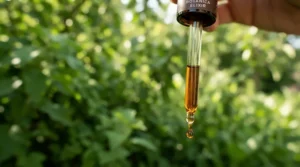
2. Rainforest Mist for Budgies and Cockatiels — best simpler formula for small birds
Same family, but not the same recipe. The small-bird version drops the eucalyptol, menthol and methyl salicylate listed on the parrot versions. The ingredients are deionised water, vitamins A, D and E, aloe vera, wheat germ oil and bee pollen, with a hibiscus scent.
That difference matters more than the packaging suggests. Small birds like budgies, cockatiels and lovebirds have tiny lungs and little margin for error with volatile aromatics. A stripped-back formula is a sensible choice for this size of bird, and the label says it won’t discolour plumage.
Who should buy it? Owners of budgies, cockatiels, lovebirds, canaries and small conures, since the listing shows suitability for these. It’s also worth a look for anyone who found the parrot version too pungent.
Review sentiment: as with its siblings, I couldn’t verify enough independent reviews to summarise, so I’d check the current listing yourself.
Pros:
- ✅ Simpler ingredient list than the parrot versions
- ✅ Sized and scented for small birds
- ✅ Alcohol-free formula
Cons:
- ❌ Same “mites and lice” marketing wording
- ❌ 8oz costs relatively more per millilitre
Price range: around £12–£16. Fine value for a small-bird household, where a bottle lasts a good while.
3. Rainforest Mist for Cockatoos and Macaws — best large bottle for big birds
Big birds mean big surface area and big bottle consumption. The 17oz size (around 500ml) fits a cockatoo or macaw that gets misted most days far better than the 8oz sizes do.
The ingredient list matches the African Grey and Amazon version, with a vanilla scent. The directions are the same: 30cm away, soak until visibly wet, keep out of draughts. That draught point is genuinely important, because a wet large bird in a cold corridor can chill quickly. Spray in a warm room and let the bird dry fully before bedtime.
From a value standpoint, the larger bottle is the economical choice if your bird already tolerates the 8oz formula. Don’t jump straight to 17oz for a bird that hasn’t tried the scent. You may end up with half a bottle of something your bird hates.
Review sentiment: I couldn’t verify a robust set of reviews for this size, so no ratings are quoted here.
Pros:
- ✅ Larger volume suits frequent misting
- ✅ Same alcohol-free base as the 8oz sizes
- ✅ Suits big, heavy-feathered birds
Cons:
- ❌ Strong vanilla scent may not suit every bird
- ❌ Higher upfront cost than the 8oz bottles
Price range: roughly £17–£22. Good value only once you’ve confirmed your bird accepts the formula.
4. Avifood Shower Bathing Spray — best for dry-air homes and dander control
The pitch here is moisture. The manufacturer describes it as restoring moisture lost to dry indoor environments, while also cleansing feathers and reducing dander and dust.
Directions suggest spraying from at least 30cm and applying mist as needed, with one UK retailer suggesting 30–60cm and noting sprays shouldn’t be aimed at the head. It can be used daily or as required. This is a gentler-feeling concept than the heavily fragranced options. It’s about hydration and cleanliness, not scent.
Who benefits most? Owners in older, draughty British homes with central heating blasting through winter, or those with feather-dusty species like African Greys and cockatiels. Dander control is a real quality-of-life issue for owners, not just birds.
Review sentiment: I couldn’t verify independent review counts for this product, so I’d read the current Amazon UK listing before relying on any rating.
Pros:
- ✅ Focuses on hydration and dander reduction
- ✅ Listed as suitable from budgies to cockatoos
- ✅ Daily use is allowed on the label
Cons:
- ❌ Highest price per millilitre in this round-up
- ❌ Head avoidance makes thorough coverage fiddly
Price range: around £20–£25. Pricey, but reasonable if dry air is your bird’s main problem.
5. BioGance Opti Plume — best flexible spray-or-additive option
This is the most versatile product here. The label gives two modes: spray the plumage two to three times a week from 5–10cm, or for daily use, add two sprays to the bath water.
The formula lists surfactants, aloe vera and cherry blossom extracts, inulin, provitamin B5 and a preservative. The brand says it also protects against irritants like smoke and UV. I’d treat that as marketing, because there’s no independent evidence in the listing to back it up. The practical win is simple: two sprays in a shallow bath is about the easiest dilution instruction you’ll find, which makes it a genuine bathing additive for birds without any measuring jug.
It’s the one I’d consider first for a mixed household of, say, a budgie and a cockatiel. It spans small birds to large macaws on the listing, and the cost is low.
Review sentiment: I couldn’t verify a reliable review pool, so no ratings quoted.
Pros:
- ✅ Two-sprays-per-bath dilution is easy
- ✅ Suits small to large birds per the listing
- ✅ Lowest price in this round-up
Cons:
- ❌ Surfactants listed without detail
- ❌ Marketing claims go beyond what’s evidenced
Price range: roughly £9–£13. Strong value, and the sensible starter pick.
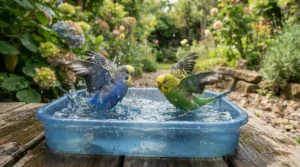
6. Feather Shine Pet and Parrot Shampoo — best concentrate for an occasional deep clean
This one is different. It’s not a daily mist but a concentrated shampoo meant for an occasional soak. The listing describes a coconut-based, detergent-free and soap-free surfactant blend with aloe vera, almond oil and vitamins.
Directions say to use lukewarm water (not hot), keep the level no higher than the bird’s shoulders, mix 6 tablespoons per gallon, and soak for 7–8 minutes. A related white-feather version from the same brand suggests using it only once every 5–6 weeks, which tells you the intended frequency. It also lists methyl salicylate, eucalyptol and menthol, and the product is also marketed for dogs and cats, which suggests a general-purpose formula.
Who is it for? Birds with grubby feathers, dried-on formula on hand-reared chicks, or species that genuinely enjoy a bath soak. It’s not for a nervous bird that panics in water.
Review sentiment: reviews on a mirrored Amazon listing (ASIN B0032XLUPG) are broadly positive. Reviewers mention a pleasant smell, a glossier look and softer feathers. Some describe using a little in a spray bottle, which goes beyond the label directions, and I wouldn’t copy that without vet advice. One reviewer’s claim that it stopped plucking is anecdotal, and a shampoo shouldn’t be treated as a plucking cure.
Pros:
- ✅ Concentrate lasts a long time per use
- ✅ Soap-free, detergent-free surfactant base
- ✅ Good for dull or dirty plumage
Cons:
- ❌ Label uses gallons and tablespoons, so dilution needs care
- ❌ Soaking suits only confident bathers
Price range: about £14–£18. Excellent value per use, but it’s a different tool from a daily mist.
7. Oropharma Jungle Shower — best large-volume aloe spray for regular misting
A 500ml bottle is the draw here. The product is described as a feather conditioner spray with aloe vera, aimed at glossy plumage and healthy skin.
The manufacturer’s copy says it cleans the feathers, restores the moisture balance of skin and feathers, and limits the loss of feather dust. Directions are to spray from 30cm, suitable for daily use, with no rinsing. That “no rinse” detail makes it low-effort, and the generous volume suits multi-bird households.
One honest caveat: the listing I found was from a Canadian retailer, so I couldn’t confirm UK availability or a current UK price. Check the Amazon UK listing carefully, including the seller, before you commit.
Review sentiment: I couldn’t verify any review pool for this product, so I’m not summarising any.
Pros:
- ✅ Large 500ml size for frequent use
- ✅ Aloe-based, no-rinse formula
- ✅ Daily use stated on the label
Cons:
- ❌ UK availability and pricing unverified
- ❌ Limited independent review information
Price range: check current price. Without a verified UK price, I can’t call it a value pick yet.
Top 7 Specs Comparison
| Product | Daily Use? | Dilution Needed? | Notable Ingredient | Best For |
|---|---|---|---|---|
| Rainforest Mist for African Grey and Amazon | Yes | No | Aloe, wheat germ oil | Medium parrots |
| Rainforest Mist for Budgies and Cockatiels | Yes | No | Aloe, no menthol listed | Small birds |
| Rainforest Mist for Cockatoos and Macaws | Yes | No | Aloe, vitamins | Large parrots |
| Avifood Shower Bathing Spray | Yes | No | Moisture-focused formula | Dry homes |
| BioGance Opti Plume | 2–3 times a week (spray) | Optional (2 sprays per bath) | Aloe, provitamin B5 | Mixed flocks |
| Feather Shine Pet and Parrot Shampoo | No (occasional) | Yes | Coconut-based surfactants | Deep cleans |
| Oropharma Jungle Shower | Yes | No | Aloe vera | Larger collections |
The pattern is clear. If you want something you can use without fuss, Rainforest Mist, Avifood Shower Bathing Spray and Oropharma Jungle Shower are grab-and-spray products. BioGance Opti Plume is the flexible middle option, and Feather Shine Pet and Parrot Shampoo is the specialist. Pick based on how your bird actually bathes, not on the prettiest label.
Additive Dilution Instructions: How to Mix Safely
Dilution is where good intentions go wrong. Here are the additive dilution instructions that matter, as a practical workflow.
Step 1: Work out whether you even need to dilute
Most products here are ready-to-use sprays. You don’t mix them with anything. Only Feather Shine Pet and Parrot Shampoo is a true concentrate. BioGance Opti Plume sits in between, with a two-sprays-per-bath instruction for daily use.
Step 2: Watch the units
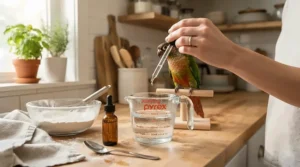
The Feather Shine Pet and Parrot Shampoo label asks for 6 tablespoons per gallon. A US gallon is about 3.8 litres, but a UK (imperial) gallon is about 4.5 litres, so the label’s units leave room for error. Using the US figure, that’s roughly 90ml in 3.8 litres, or about 24ml per litre. For a small sink bath of two litres, that works out at around 47ml, or roughly three tablespoons. That’s label arithmetic, not a recommendation. Follow the instructions on your own bottle.
Concentrations vary hugely between brands. One Australian bird shampoo’s directions call for just 2ml in 2 litres of warm water, which is more than twenty times weaker. So never carry a ratio from one bottle to another.
Step 3: Use the right water
VCA’s veterinary guidance suggests bottled water if your tap water is chlorinated, and that dryers can dry skin too quickly. Water should be lukewarm, never hot.
Step 4: Rinse or don’t, as directed
The shampoo needs rinsing and towel drying. The sprays say no rinse. Always keep the bird out of draughts until fully dry.
If you’re unsure about any bathing additive for birds, ask an avian vet. Some bird-rescue guidance goes further, advising against adding chemicals to bird baths unless a vet instructs it.
Real-World Scenarios: Matching a Bird Bath Solution to Your Bird
Three profiles, three different answers.
Scenario 1: The Budgie Household in a Flat
Two budgies, a rented flat with radiators on full, and a modest budget of about £10–£15. Humidity is low, and the birds enjoy a fine mist. BioGance Opti Plume is the sensible choice here, because the label suits small birds and is easy to dose. Rainforest Mist for Budgies and Cockatiels is the alternative if you prefer a ready-to-use spray with a simpler ingredient list.
Scenario 2: The African Grey with Dusty Feathers
An African Grey in a living room, bathing three or four times a week, and feather dust everywhere. Greys are naturally dusty, and dry air makes it worse. Avifood Shower Bathing Spray, designed to reduce dander and replace lost moisture, is the closest match. If the bird tolerates stronger scents, Rainforest Mist for African Grey and Amazon is the cheaper daily alternative.
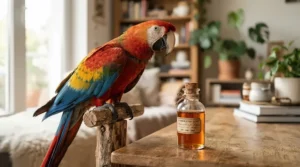
Scenario 3: The White Cockatoo That Looks a Bit Grubby
A cockatoo’s pale plumage shows every smudge. A weekly mist keeps things fresh, while an occasional soak with Feather Shine Pet and Parrot Shampoo handles genuine dirt. Brand directions for a white-feather version suggest roughly every 5–6 weeks, so don’t over-wash. Between soaks, Rainforest Mist for Cockatoos and Macaws is the sensible big-bottle option.
In all three cases, the bird’s willingness matters more than the product. A solution your bird refuses to stand under is wasted money.
Skin Dryness in Birds: Problem and Solution Guide
Skin dryness in birds is one of the most common reasons people go looking for a bird bathing solution buy. Here are the typical problems and sensible responses.
Problem 1: Flaky skin and heavy dander. Dry indoor air is the usual culprit. VCA notes that central heating and air conditioning dry the air and suggests encouraging bathing three to four times a week. A moisture-focused mist like Avifood Shower Bathing Spray can help alongside plain-water bathing. Raising room humidity helps too, and a figure of 45–55% is commonly cited as a comfortable range.
Problem 2: Itchy moult. New feathers emerge in sheaths, and the skin can feel irritated. More frequent gentle misting softens things, but only if the bird opts in.
Problem 3: Dry, rough preening oil patches. The preen gland produces oil that VCA’s guide to the uropygial gland says helps maintain the suppleness of skin, feathers and beak. A blocked gland can irritate a bird and trigger plucking around the area, which is a vet job, not a spray job.
Problem 4: Plucking. No conditioning spray should be treated as a plucking cure. Skin dryness in birds is just one possible cause among many, including boredom, stress and medical problems. If your bird is plucking, see an avian vet.
Problem 5: A bird that hates the spray bottle. Switch to a finer mist, spray from above so it falls like rain, and spray from further away. A wet bird isn’t always a bathing bird, but patience pays off.
How to Choose a Bird Bath Solution: 7 Steps
Here’s a quick, snippet-friendly framework for choosing a bird bath solution.
- Match the product to your bird’s size. Small birds need gentler formulas, and the Rainforest Mist for Budgies and Cockatiels formula is simpler than the parrot versions.
- Check whether it’s a spray or a concentrate. Sprays are grab-and-go, but concentrates like Feather Shine Pet and Parrot Shampoo demand careful dilution.
- Read the ingredients for strong aromatics. Eucalyptol, menthol and methyl salicylate are fine for some birds, but they’re worth a vet conversation for sensitive ones.
- Compare cost per millilitre, not per bottle. An 8oz bottle looks cheap until you do the sums.
- Look for sensible, specific directions. Spray distance, frequency and rinse instructions should be clear.
- Treat health claims sceptically. Phrases like “removes mites” or “stops plucking” aren’t a substitute for veterinary diagnosis.
- Check availability and seller on the live listing. Confirm it’s actually stocked in the UK before you order.
Feather Conditioning Benefits: What’s Realistic and What Isn’t
Let’s separate marketing from reality when it comes to feather conditioning benefits.
Realistic benefits. Wetting the plumage encourages preening, which is how birds keep feathers aligned. VCA says bathing helps remove dander that collects on feathers and skin, and notes that a bird fluffs up so water reaches the skin. A hydrating spray can reasonably help soften dry skin and make misting more effective. Many products list aloe vera, which is widely used in skincare for its soothing reputation, though I haven’t found strong avian-specific evidence in the listings.
Doubtful benefits. Claims about UV or smoke protection (as with BioGance Opti Plume) and “removes mites” are not backed up in the listings. Treat them as marketing.
The honest middle. Feather conditioning benefits are real but modest. A good mist makes bathing more pleasant and helps keep dry skin comfortable. It won’t fix a nutritional deficiency, an infection or behavioural plucking.
If you’re curious about what the benefits depend on, humidity, diet and the bird’s willingness to bathe usually matter far more than which brand you buy.
Feather Conditioning Bath Liquid vs Plain Water
Is a feather conditioning bath liquid actually better than clean water?
Plain, fresh water is the baseline. VCA recommends fresh water for spritzing and bathing, and some bird-rescue guidance warns against adding chemicals to bath water unless a vet instructs it. A feather conditioning bath liquid adds convenience, scent, aloe and moisturising ingredients, but it also adds a variable.
| Factor | Plain Water | Feather Conditioning Bath Liquid |
|---|---|---|
| Cost | Free (or bottled) | £9–£25 per bottle |
| Skin hydration | Good | Possibly enhanced |
| Ingredient risk | Very low | Depends on formula |
| Best For | Healthy birds in humid homes | Birds in dry homes needing extra care |
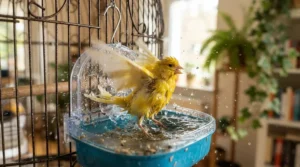
The table makes the case clearly: plain water is the safest, cheapest option, and a conditioning liquid is an optional upgrade. I’d say plain water first for any bird new to bathing, then add a product like BioGance Opti Plume or Avifood Shower Bathing Spray once your bird is bathing happily and you can see a reason for it.
Common Mistakes When You Buy a Bird Bathing Solution
A few classic blunders turn a good bird bathing solution buy into a waste of money.
Buying the biggest bottle first. A 17oz Rainforest Mist for Cockatoos and Macaws is a bargain only if your bird tolerates it. Start small.
Ignoring the species. A formula intended for macaws isn’t automatically right for a budgie. The Rainforest Mist range shows how formulas differ by bird size.
Spraying the face. Labels for Rainforest Mist say not to spray directly into the face, and one retailer notes sprays shouldn’t be directed at the head for Avifood Shower Bathing Spray.
Spraying near food or water. The Rainforest Mist label warns against this.
Skipping drying time. A wet bird in a draught can chill. Never let a bird go to bed damp.
Mixing concentrates by guesswork. Remember the gallon-versus-litre problem.
Expecting medical results. A bath solution is for grooming. If you see plucking, lesions or lethargy, see a vet.
Overbathing. Some guidance notes that bathing too often can dry skin. Let the bird set the pace.
Safety, Labelling and UK Regulations
UK rules matter more than you’d think for a bird bathing solution buy.
The Veterinary Medicines Directorate (VMD) regulates veterinary medicines in the UK. Its guidance on advertising non-medicinal veterinary products explains the difference between products that are “medicinal by presentation” and “medicinal by function”, and states that non-medicinal products may only be presented for maintaining health in healthy animals.
What does that mean for you? If a listing claims a spray will treat or remove mites, lice or plucking, that’s a medicinal-style claim. Medicinal claims should only appear on authorised veterinary medicines. A bathing mist or shampoo isn’t one. So when a listing for Rainforest Mist or Feather Shine Pet and Parrot Shampoo uses wording about mites, read it as promotional language, not clinical evidence.
Practical steps:
- Treat grooming sprays as grooming sprays.
- Confirm a product with a genuine parasite problem is an authorised veterinary medicine, and ask your vet.
- Keep the bottle, label and batch information in case your bird reacts.
- Report suspected adverse reactions through the usual UK channels, and tell your vet.
Also note that products sold as “safe if swallowed”, as BioGance Opti Plume claims, are manufacturer statements, not guarantees. Birds preen and ingest whatever is on their feathers, which is why light application matters.
Long-Term Cost and Maintenance
What does a bird bathing solution buy actually cost over a year? The numbers below are indicative, based on the label directions and listing sizes.
| Product | Use Pattern | Likely Bottle Lifespan | Value Verdict |
|---|---|---|---|
| BioGance Opti Plume | 2–3 times weekly | Several months for one bird | Strong |
| Rainforest Mist for Budgies and Cockatiels | Daily | A few months for a small bird | Good |
| Avifood Shower Bathing Spray | Daily or as needed | Shorter if used daily | Moderate |
| Feather Shine Pet and Parrot Shampoo | Every 5–6 weeks | A year or more | Strong |
Bottle lifespan is my estimate based on label directions, not a tested figure. The takeaway: Feather Shine Pet and Parrot Shampoo looks expensive upfront but is cheap per use, while daily sprays are a steady running cost. Cost per use matters more than shelf price.
Maintenance matters too. Keep bottles capped, store at room temperature (one retailer lists this for Avifood Shower Bathing Spray), and note that the white-feather shampoo from the same brand says to use within 12 months of opening. Clean any bathing station daily, as VCA advises, to prevent bacterial build-up.
✨ Ready to Pick Your Bird’s Next Bath Solution?
🔍 Compare the options above against your bird’s size, bathing habits and your home’s heating. Click on any highlighted product name to check current pricing and availability. A little care now means a happier, glossier bird all winter long!
Features That Actually Matter (And Those That Don’t)
Marketing is noisy. Here’s how to filter it.
Features that matter:
- Clear directions. Spray distance, frequency and rinsing should all be stated.
- A sensible ingredient list. Simple formulas like Rainforest Mist for Budgies and Cockatiels give you fewer variables.
- Right size for the bird. Species-specific listings give you a starting point.
- Alcohol-free. The Rainforest Mist range says so on its label.
Features that don’t matter much:
- Fragrance. Birds don’t need your home to smell of vanilla or hibiscus.
- Colour or “shine” claims. Plumage shine usually comes from health and hydration.
- UV or smoke protection. Unproven in the listings.
- Botanical buzzwords. Aloe and cherry blossom sound lovely, but evidence for birds is thin.
Features to treat with caution:
- Anything promising to “cure” plucking or “remove” mites.
- Strong aromatics in a household with small or respiratory-sensitive birds.
If you only remember one thing, remember this: the best bird bathing solution buy is the one your bird tolerates and you can use correctly.
FAQ
❓ Where is the best place for a bird bathing solution buy in the UK?
❓ How much bathing additive for birds should I add to the water?
❓ How often can I use a feather conditioning bath liquid?
❓ Will a bird bath solution stop feather plucking?
❓ Can I mix a bird bath solution with tap water?
Conclusion
Choosing a bird bathing solution buy doesn’t need to be complicated. Start with your bird’s size, bathing habits and your home’s heating. A small-bird household should look at Rainforest Mist for Budgies and Cockatiels or BioGance Opti Plume. A dry-air home with a dusty African Grey might prefer Avifood Shower Bathing Spray. Big-bird owners with a keen bather could consider Rainforest Mist for Cockatoos and Macaws. Occasional deep cleans suit Feather Shine Pet and Parrot Shampoo, as long as you mind the dilution maths, and Oropharma Jungle Shower is worth checking once you’ve confirmed UK availability and price.
The bigger lesson is that no bottle replaces good basics: fresh water, sensible humidity, plenty of bathing opportunities and a vet who knows your bird. Use these products as comfort and grooming aids, not as treatments.
Recommended for You
- Top Rated Bird Bath Under £15: 7 Best Cage Picks (2026)
- Deep Clean Spray For Parrot Cages: 7 Proven Picks (2026)
- Perch Cleaner For Parrots: 7 Best Picks For Safer Perches (2026)
Disclaimer: This article contains affiliate links. As an Amazon Associate, I earn from qualifying purchases. If you purchase products through these links, we may earn a small commission at no additional cost to you.
✨ Found this helpful? Share it with your friends! 💬🤗
