
In This Article
Feeding your cockatiel properly isn’t just about filling the food dish—it’s about providing the foundation for a long, vibrant life. These charming Australian natives have specific nutritional needs that differ vastly from other pet birds, and choosing the best cockatiel food can mean the difference between a bird that merely survives and one that truly thrives.
I’ve spent years researching avian nutrition and consulting with veterinary nutritionists, and the reality is sobering: poor diet is one of the leading causes of health problems in pet cockatiels. Wild cockatiels in their native habitat enjoy a diverse diet of grass seeds, native plants, and occasional insects. Our domesticated companions deserve no less careful consideration when it comes to their daily meals.
The market for cockatiel food in the UK has expanded dramatically over the past decade. From traditional seed mixes to scientifically formulated pellets, from organic blends to budget-friendly options, the choices can feel overwhelming. That’s precisely why this guide exists—to cut through the marketing hype and provide you with evidence-based recommendations that you can trust. Whether you’re a first-time cockatiel owner or an experienced aviculturist looking to optimise your bird’s diet, you’ll find actionable insights throughout this comprehensive review.
Quick Comparison Table
| Product | Type | Price Range (£) | Key Feature | Best For |
|---|---|---|---|---|
| Tidymix Parakeet Diet | Seed Mix | £8.50-£35.00 | 99% edible, human-grade | Budget-conscious owners |
| Harrison’s Adult Lifetime Fine | Organic Pellets | £13.99-£39.99 | Certified organic | Health-focused care |
| Versele-Laga NutriBird G14 | Extruded Pellets | £10.99-£42.50 | Digestive support | Complete nutrition |
| Lafeber’s Premium Pellets | Fortified Pellets | £15.99-£31.99 | Molasses-flavoured | Seed-to-pellet conversion |
| ZuPreem Natural Medium | Natural Pellets | £12.99-£28.99 | No artificial colours | Natural diet preference |
| Kaytee Forti-Diet Pro Health | Enhanced Seed Mix | £16.99-£24.99 | Probiotic support | Active birds |
| Versele-Laga Prestige Premium | Enriched Seed Mix | £8.50-£65.00 | VAM pellets included | Traditional seed lovers |
💬 Just one click – help others make better buying decisions too! 😊
Top 7 Best Cockatiel Food: Expert Analysis
1. Tidymix Parakeet Diet – Premium Human-Grade Seed Mix
Tidymix Parakeet Diet stands as one of the most respected seed-based diets available in the UK market, and for excellent reason. This thoughtfully formulated blend contains 21 carefully selected ingredients, all of which meet human consumption standards—a rarity in the bird food industry.
Key Specifications:
- 21 human-grade ingredients including hulled millet, safflower seed, and oat groats
- 99% edible formula reduces waste significantly
- No more than 5% sunflower seeds to prevent fatty liver disease
- Minimum 8% dried fruits for vitamins
- Enhanced with kelp powder for trace minerals
UK buyers particularly appreciate that this blend is manufactured domestically, ensuring freshness and supporting local businesses. The inclusion of kelp powder provides natural iodine and minerals that support thyroid function and feather quality—something I’ve observed making a noticeable difference in plumage condition within just 6-8 weeks of feeding.
Price: £8.50 for 2kg, £35.00 for 10kg bags Customer Feedback: UK cockatiel owners consistently praise the low waste factor and report their birds eagerly consume this mix. One customer noted their previously picky eater finally stopped selective feeding with this blend.
✅ Pros:
- Exceptional ingredient quality with human-grade certification
- Economical due to minimal waste (99% edible)
- Balanced fat content prevents obesity
❌ Cons:
- Still seed-based (pellets offer more complete nutrition)
- Requires supplementation with fresh vegetables
2. Harrison’s Adult Lifetime Fine – Certified Organic Pellets
When avian veterinarians recommend a pelleted diet, Harrison’s Adult Lifetime Fine frequently tops their list. Developed by avian veterinarian Dr Greg Harrison, this formula represents decades of nutritional research distilled into a complete, balanced diet.
Key Specifications:
- 100% USDA-certified organic ingredients
- Complete nutrition—no supplements needed for most birds
- Fine pellet size perfect for cockatiel beaks
- Free from artificial colours, flavours, and preservatives
- Formulated specifically for non-breeding, healthy adult birds
This formula provides optimal nutrition without the excessive vitamins that can cause toxicity issues. Research published by veterinary nutritionists confirms that over-supplementation, particularly of vitamin A, poses genuine risks to cockatiels. Harrison’s formulation carefully balances all micronutrients within safe therapeutic ranges.
Price: £13.99-£39.99 depending on package size UK Availability: Widely stocked through specialist bird retailers and Amazon.co.uk
✅ Pros:
- Gold standard in avian nutrition backed by veterinary science
- Organic certification ensures no pesticide residues
- Complete nutritional profile eliminates guesswork
❌ Cons:
- Higher price point than seed mixes
- Some birds require patient conversion from seeds
3. Versele-Laga NutriBird G14 Original – Maintenance Pellets
Versele-Laga NutriBird G14 Original offers European-style pelleted nutrition with a focus on digestive health. Belgian company Versele-Laga has manufactured quality bird foods since 1932, bringing decades of formulation expertise to this product.
Key Specifications:
- Mono-coloured extruded pellets based on grains, fruit, and peanuts (10%)
- Contains prebiotics (MOS) and yucca extract for gut health
- Scientifically formulated 14% protein content
- Recommended by veterinarians across Europe
- Suitable for cockatiels, lovebirds, and small conures
The inclusion of mannan-oligosaccharides (MOS) supports beneficial gut bacteria whilst inhibiting pathogenic microorganisms—particularly valuable during stressful periods like moulting or relocation. I’ve found birds transitioning to this food show improved droppings consistency within the first fortnight.
Price: £10.99 for 1kg, scaling up to £42.50 for larger quantities Customer Feedback: UK customers report good acceptance rates, particularly when gradually mixed with existing food.
✅ Pros:
- Digestive support through prebiotics
- Trusted European brand with veterinary backing
- Competitively priced for quality pellets
❌ Cons:
- Pellet size may be slightly large for smaller cockatiels
- Contains peanuts (potential allergen for some birds)
4. Lafeber’s Premium Daily Pellets – Molasses-Flavoured
Lafeber’s Premium Daily Pellets revolutionised bird nutrition when Dr Ted Lafeber introduced them in the 1970s, and they remain a cornerstone of quality avian diets today. The natural molasses flavouring makes these pellets particularly effective for converting seed-addicted birds to healthier nutrition.
Key Specifications:
- Non-GMO corn and soybean meal base
- Whole egg protein—the most digestible form for birds
- Natural molasses flavouring for palatability
- Balanced omega-3 and omega-6 fatty acids
- Stabilised vitamins and chelated minerals for superior absorption
The molasses isn’t just for taste—it provides natural sweetness that helps seed-dependent birds accept pellets more readily. I recommend this as a first pellet choice for birds transitioning from all-seed diets, as the acceptance rate tends to be notably higher than unflavoured alternatives.
Price: £15.99-£31.99 depending on package size UK Availability: Available through Amazon.co.uk and specialist retailers
✅ Pros:
- Excellent for seed-to-pellet transitions
- High-quality protein from whole eggs
- Backed by 50+ years of nutritional research
❌ Cons:
- Not organic (though high quality)
- Slightly higher fat content than some competitors
5. ZuPreem Natural Medium – 100% Natural Pellets
ZuPreem Natural Medium appeals to owners seeking a more natural approach without sacrificing complete nutrition. The absence of artificial colours makes this particularly suitable for birds sensitive to food dyes, and the natural appearance reassures owners concerned about additives.
Key Specifications:
- 100% natural ingredients with no artificial colours or flavours
- Wholesome blend of grains including corn and oat groats
- Added vitamins, minerals, and amino acids for complete nutrition
- Medium pellet size designed for cockatiels and similar-sized birds
- Manufactured in the USA with strict quality controls
I particularly appreciate the conservative vitamin A levels in this formulation—neither deficient nor excessive. Studies from the University of California-Davis demonstrate that cockatiels are more susceptible to vitamin A toxicity than deficiency, making ZuPreem’s balanced approach especially appropriate.
Price: £12.99-£28.99 depending on quantity Customer Feedback: UK cockatiel owners report their birds prefer the natural appearance, and the tan colour makes monitoring food intake easier.
✅ Pros:
- Natural tan colour (no artificial dyes)
- Veterinarian-recommended formulation
- Good value for quality nutrition
❌ Cons:
- May take longer for seed-eaters to accept than flavoured pellets
- Some birds find the pellet texture harder than other brands
6. Kaytee Forti-Diet Pro Health – Probiotic-Enhanced
Kaytee Forti-Diet Pro Health combines the familiarity of a seed mix with modern nutritional science through the addition of crunchy pellets and probiotics. This hybrid approach works brilliantly for owners wanting to improve nutrition whilst maintaining some traditional seed feeding.
Key Specifications:
- Scientifically formulated blend of seeds, grains, and fortified pellets
- Contains prebiotics and probiotics for digestive health
- Omega-3 fatty acids support brain and heart function
- Antioxidants for immune system support
- Fortified with essential vitamins and minerals
The addition of Lactobacillus acidophilus and other beneficial bacteria supports gut health, which is particularly valuable during antibiotic treatment or stressful situations. Research indicates that a healthy gut microbiome significantly influences overall bird health and disease resistance.
Price: £16.99-£24.99 for typical package sizes UK Availability: Stocked by major pet retailers and Amazon.co.uk
✅ Pros:
- Probiotic support for digestive health
- Familiar seed format eases dietary transitions
- Backed by nutritional science
❌ Cons:
- Birds may selectively eat seeds and leave pellets
- Higher sunflower content than ideal
7. Versele-Laga Prestige Premium – Classic Enriched Mix
Versele-Laga Prestige Premium represents the traditional approach to cockatiel nutrition, enhanced with modern fortification. This seed mix includes VAM (vitamins, amino acids, minerals) pellets that provide nutritional insurance even for selective eaters.
Key Specifications:
- Classic seed blend with yellow millet (32%), red millet (10%), and peeled oats (9%)
- Enriched with colourful VAM pellets for vitamin supplementation
- Contains safflower, canary seed, and controlled amounts of sunflower
- Suitable for cockatiels and similar-sized parakeets
- Available in economical large bags
The multi-coloured VAM pellets contain concentrated nutrients that complement the seed base. Whilst some birds initially ignore these pellets, persistence typically pays off—I recommend crushing a few pellets and sprinkling the powder over favourite foods to introduce the taste gradually.
Price: £8.50 for 2kg, £65.00 for 20kg bulk bags Customer Feedback: UK cockatiel enthusiasts with multiple birds appreciate the value of larger bags, reporting freshness remains excellent when stored properly.
✅ Pros:
- Economical pricing, especially in bulk
- Varied seed selection prevents boredom
- VAM pellets provide nutritional backup
❌ Cons:
- Birds may avoid VAM pellets entirely
- Still primarily seed-based rather than pellet-based
Understanding Cockatiel Nutritional Requirements
Proper cockatiel nutrition extends far beyond simply offering food—it requires understanding the species’ biological needs. Cockatiels (Nymphicus hollandicus) evolved in the arid Australian interior, where they naturally consume predominantly grass seeds with seasonal variations.
Essential Nutrients for Cockatiels
Protein Requirements: Adult cockatiels need approximately 12-14% protein in their diet for maintenance, increasing to 16-18% during breeding or moulting. Quality protein sources include soya, egg, and legumes. Excessive protein can strain the kidneys, whilst insufficient protein leads to poor feather quality and muscle wasting.
Carbohydrates and Fats: Grains provide essential carbohydrates for energy, whilst fats should remain moderate. Seed-only diets often contain excessive fats (particularly linoleic acid from sunflower seeds), contributing to fatty liver disease and obesity. The ideal diet contains 4-6% fat content.
Vitamins and Minerals: Calcium and vitamin D3 work synergistically for bone health, particularly crucial for egg-laying females. Vitamin A supports immune function and epithelial tissue health. Veterinary research demonstrates that vitamin A toxicity occurs more readily in cockatiels than deficiency, making balanced formulation critical.
Water Requirements: Fresh, clean water must be available constantly. Cockatiels drink frequently throughout the day, and dehydration develops rapidly in these small birds.
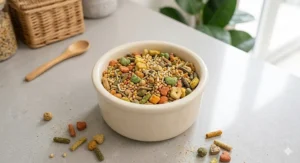
How to Choose the Best Cockatiel Food
Pellets vs Seeds: The Great Debate
The pellet versus seed debate continues amongst cockatiel owners, though veterinary consensus increasingly favours pellets as the dietary foundation. Here’s why:
Pellet Advantages: Pellets provide complete, balanced nutrition in every bite. Cockatiels cannot selectively feed on favourite items (as they do with seed mixes), ensuring consistent nutrient intake. Quality pellets eliminate the need for vitamin supplementation, reducing overdose risks.
Seed Mix Benefits: Seeds offer enrichment through natural foraging behaviours and provide familiar textures most cockatiels instinctively enjoy. High-quality seed mixes with controlled sunflower content can work well when supplemented with fresh foods and a calcium source.
The Optimal Approach: Research and practical experience suggest the ideal cockatiel diet comprises:
- 60-80% high-quality pellets
- 10-15% quality seed mix
- 15-25% fresh vegetables and occasional fruits
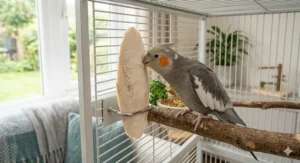
- Constant access to cuttlebone or mineral block
Reading Ingredient Lists
The first five ingredients determine the majority of any food’s composition. Look for:
- Whole grains (millet, oats, wheat, corn)
- Quality proteins (egg, soya, legumes)
- Limited sunflower and safflower seeds (5-10% maximum)
- Natural preservatives (tocopherols, citric acid)
Avoid products with:
- Artificial colours, flavours, or sweeteners
- Excessive salt or sugar
- Chemical preservatives (BHA, BHT, ethoxyquin)
- Filler ingredients with minimal nutritional value
Age-Specific Considerations
Juvenile Cockatiels (0-12 months): Require higher protein (16-18%) and calcium for growth and bone development. Many owners successfully maintain juveniles on High Potency formulations before transitioning to maintenance diets.
Adult Cockatiels (1-15 years): Benefit from balanced maintenance diets with moderate protein and controlled fat. Regular weight monitoring helps adjust portions.
Senior Cockatiels (15+ years): May need adjusted nutrition based on individual health status. Some seniors benefit from softer pellets or slightly higher protein to maintain muscle mass.
Seasonal and Breeding Adjustments
Breeding pairs require increased protein (18-20%), calcium, and vitamin E. Non-breeding birds should not receive breeding diets continuously, as excessive nutrients can trigger unwanted egg-laying in females and contribute to obesity.
Top Rated Cockatiel Seed Mix vs Pellets Comparison
| Feature | Premium Seed Mix | Quality Pellets | Hybrid Approach |
|---|---|---|---|
| Complete Nutrition | Requires supplements | ✅ Yes | Depends on ratio |
| Selective Feeding | Common problem | Not possible | Moderate risk |
| Conversion Difficulty | N/A | Can be challenging | Easier transition |
| Foraging Enrichment | ✅ Excellent | Limited | ✅ Good |
| Mess/Waste | High (hulls) | Low | Moderate |
| Cost-Effectiveness | £0.85-£3.25/kg | £5.60-£17.50/kg | £2.50-£8.00/kg |
Common Feeding Mistakes to Avoid
Mistake 1: All-Seed Diets
Despite their popularity, all-seed diets represent one of the most common nutritional errors. Seeds lack sufficient calcium, vitamin A, and other essential nutrients. Chronic deficiencies lead to respiratory problems, poor feather quality, and shortened lifespan.
Mistake 2: Overfeeding Treats
Millet spray, whilst loved by cockatiels, should comprise no more than 5% of the total diet. The same applies to human foods like toast or crackers. Treats displacing nutritious foods quickly lead to imbalanced nutrition.
Mistake 3: Inconsistent Fresh Food Offerings
Many owners give up on vegetables after initial rejection. Persistence pays dividends—try various preparations (raw, steamed, chopped, whole), different vegetables, and offering at different times. Some cockatiels prefer vegetables mixed with pellets.
Mistake 4: Inadequate Calcium Sources
Relying solely on diet for calcium often proves insufficient, particularly for egg-laying females. Always provide a cuttlebone or mineral block. Monitor consumption—birds self-regulate calcium intake remarkably well.
Mistake 5: Ignoring Food Freshness
Pelleted diets oxidise and lose nutritional value after opening. Purchase quantities your bird will consume within 6 weeks, store in airtight containers away from light and heat, and refrigerate or freeze larger quantities.
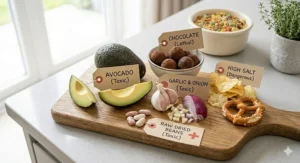
Nutritious Cockatiel Food Brands Available in the UK
The UK market offers excellent access to international premium brands alongside quality domestic options. Here’s what to look for:
Domestic UK Brands:
- Tidymix produces human-grade seed mixes with minimal waste
- Northern Parrots’ house brand offers good value
- Various UK specialists provide fresh, rotating stock
International Premium Brands:
- Harrison’s (USA) – veterinary-formulated organic pellets
- Lafeber’s (USA) – research-backed complete nutrition
- ZuPreem (USA) – variety of formulations for different needs
- Versele-Laga (Belgium) – European pelleted and seed options
- Kaytee (USA) – accessible pricing with scientific backing
Where to Buy: Amazon.co.uk stocks most major brands with Prime delivery. Specialist retailers like Parrot Essentials, Northern Parrots, and Scarletts Parrot Essentials often provide expert advice alongside products. Always check manufacturing dates and packaging integrity.
✨ Don’t Miss These Exclusive Deals!
🔍 Take your cockatiel’s nutrition to the next level with these carefully selected products. Click on any highlighted item to check current pricing and availability on Amazon.co.uk. These foods will help you create authentic health results your feathered companion will love!
Quality Cockatiel Diet Planning
Creating a Balanced Daily Menu
Morning (7-8 AM): Offer fresh pellets (measured portion based on bird’s weight). Remove any overnight food to encourage eating the new supply whilst hungry.
Midday (12-1 PM): Provide fresh vegetables—try dark leafy greens (kale, rocket, spinach in moderation), orange vegetables (carrots, butternut squash), and cruciferous options (broccoli, cauliflower). Chop finely or offer whole for foraging enrichment.
Evening (5-6 PM): Add a small seed portion (10-15% of daily intake) for enrichment and variety. This timing mimics natural foraging patterns, as wild cockatiels typically feed heavily before roosting.
Always Available: Fresh water (changed twice daily), cuttlebone or mineral block, and safe chew toys.
Portion Control Guidelines
An average 90-gramme cockatiel requires approximately:
- 1.5-2 tablespoons pellets daily
- 1-2 tablespoons chopped vegetables
- 1 teaspoon quality seed mix
- Unlimited cuttlebone
Monitor body condition weekly by feeling the keel bone. Properly weighted birds show a slight keel bone prominence covered by visible breast muscle. An overly prominent keel indicates underweight status, whilst an undetectable keel suggests obesity.
Introducing New Foods
Birds are neophobic—naturally suspicious of unfamiliar items. Successfully introducing new foods requires patience:
- Persistence: Offer the new item daily for 2-3 weeks minimum
- Positioning: Place new foods near favourite items
- Modeling: Eat the food yourself whilst your bird watches
- Preparation Variety: Try different presentations—whole, chopped, cooked, raw
- Timing: Offer new items when your bird is hungriest (morning)
Where to Buy Cockatiel Food Online UK
Amazon.co.uk
Amazon provides the most comprehensive selection with competitive pricing, Prime delivery, and easy returns. Reviews help identify quality products and potential issues. Subscribe & Save options offer 5-15% discounts on regular purchases.
Pros: Convenience, selection, customer reviews Cons: Stock fluctuations, occasional counterfeit products (stick to reputable sellers)
Specialist Bird Retailers
Parrot Essentials (parrotessentials.co.uk): Expert staff, fresh stock, specialist knowledge. Often stocks exclusive brands not available elsewhere.
Northern Parrots (northernparrots.com): Established since 1987, comprehensive range, excellent customer service. Free delivery on orders over £30.
Scarletts Parrot Essentials: Competitive pricing, fast delivery, good selection of premium brands.
Local Pet Shops
Independent pet shops often provide personalized service and can special-order products. Prices may be higher, but the expertise and immediate availability sometimes justify the premium.

Price Range & Value Analysis Comparison
| Price Category | Examples | Cost per kg (£) | Best For |
|---|---|---|---|
| Budget | Basic seed mixes, generic pellets | £3-£6 | Multiple birds, tight budgets |
| Mid-Range | Tidymix, Versele-Laga Prestige | £6-£10 | Quality-conscious owners |
| Premium | Harrison’s, Lafeber’s, ZuPreem Natural | £10-£18 | Optimal nutrition focus |
| Ultra-Premium | Organic specialty blends | £18-£25 | Health-focused, breeding birds |
Value Considerations: Higher-priced foods often prove more economical long-term due to better nutrient density, less waste, and reduced veterinary costs from nutritional deficiencies. A cockatiel eating premium pellets typically consumes less volume whilst receiving superior nutrition compared to seed-only diets.
Cockatiel Health and Nutrition
Proper nutrition directly impacts virtually every aspect of cockatiel health. Understanding these connections empowers better dietary decisions.
Feather Quality and Moulting
Feathers comprise nearly pure protein and require adequate amino acids, vitamins (especially biotin and vitamin A), and minerals for proper development. Cockatiels on deficient diets often show:
- Stress bars across feathers
- Prolonged moulting periods
- Poor feather coloration
- Increased feather plucking
Immune Function
Vitamin A, vitamin E, selenium, and zinc all support immune system function. Deficiencies increase susceptibility to bacterial and fungal infections. Conversely, excessive vitamin A (common with over-supplementation) can paradoxically suppress immunity.
Reproductive Health
Breeding cockatiels face dramatically increased nutritional demands. Inadequate calcium leads to egg binding—a life-threatening emergency. Protein, vitamin E, and selenium all influence fertility and chick viability.
Liver Health
The liver processes all nutrients and manufactures essential proteins. High-fat seed diets, particularly those heavy in sunflower seeds, commonly cause fatty liver disease (hepatic lipidosis). Signs include:
- Lethargy and decreased activity
- Poor feather quality
- Difficulty perching
- Enlarged abdomen
Prevention requires limiting dietary fat to 4-6% and ensuring regular exercise.
Bone Strength
Calcium and vitamin D3 work together maintaining skeletal health. Indoor birds without UVB exposure cannot synthesize adequate vitamin D3 and require dietary supplementation. Quality pelleted diets include appropriate vitamin D3 levels.
Cockatiel Feeding Schedule Best Practices
Establishing Routine
Birds thrive on predictability. Consistent feeding times reduce stress and allow monitoring of appetite changes—often the first sign of illness.
Recommended Schedule:
- 7:00 AM: Fresh pellets, remove overnight food
- 8:30 AM: Fresh water change
- 12:00 PM: Vegetables, rotate varieties daily
- 3:00 PM: Second water change
- 6:00 PM: Small seed portion for evening foraging
- 8:00 PM: Remove perishable foods
Monitoring Food Intake
Track consumption patterns to establish baselines. Sudden appetite changes warrant veterinary attention. Weight your bird weekly at the same time using gram-accurate scales.
Managing Multiple Birds
Multiple cockatiels complicate monitoring individual intake. Consider:
- Separate feeding stations to reduce competition
- Timed feedings rather than free-choice to observe consumption
- Individual weighing sessions
- Watching for dominant birds preventing others from eating
Holiday and Travel Feeding
When traveling or during holidays, maintain routine as closely as possible. Leave detailed feeding instructions for caretakers, pre-measure portions, and ensure adequate food supplies. Never introduce dramatic dietary changes immediately before or during travel—stress can trigger digestive upset.
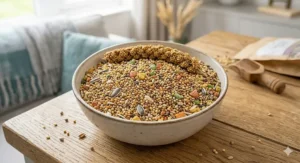
FAQ: Your Cockatiel Nutrition Questions Answered
❓ How much food should I feed my cockatiel daily?
❓ Can cockatiels eat only seed mixes without pellets?
❓ What vegetables are safe for cockatiels?
❓ How long does cockatiel food stay fresh after opening?
❓ Why won't my cockatiel eat pellets?
Conclusion: Choosing the Best Cockatiel Food for Your Bird
Selecting the best cockatiel food represents one of the most impactful decisions you’ll make for your feathered companion’s wellbeing. Throughout this comprehensive guide, we’ve examined the top-rated options available in the UK market, analysed nutritional requirements, and provided practical implementation strategies.
The evidence overwhelmingly supports pelleted diets as the nutritional foundation, supplemented with quality seeds for enrichment and fresh vegetables for variety. Brands like Harrison’s Adult Lifetime Fine, ZuPreem Natural, and Lafeber’s Premium Pellets consistently deliver veterinary-recommended nutrition backed by scientific research. For owners preferring seed-based approaches, Tidymix Parakeet Diet offers exceptional quality with human-grade ingredients and minimal waste.
Remember that transitioning to improved nutrition requires patience. Whether converting from seeds to pellets or introducing fresh vegetables, persistence typically prevails. Most cockatiels eventually accept new foods when offered consistently over several weeks.
Investing in quality nutrition pays dividends through reduced veterinary costs, longer lifespan, better feather quality, and enhanced quality of life for your cockatiel. The difference in annual food cost between budget and premium options typically amounts to £50-£100—a modest investment considering the 15-25 year lifespan of properly cared-for cockatiels.
Monitor your bird’s condition regularly, maintain consistent feeding schedules, and don’t hesitate to consult an avian veterinarian with nutrition concerns. Your cockatiel depends entirely on you for proper nutrition—make every meal count.
Recommended for You
- 7 Best Budgie Treats for Training 2026 | UK Expert Review
- Budgie Pellets vs Seed Mix: 7 Best Options UK (2026 Guide)
- 7 Best Budgie Food UK 2026
Disclaimer: This article contains affiliate links. If you purchase products through these links, we may earn a small commission at no additional cost to you. Prices shown are approximate and may vary.
✨ Found this helpful? Share it with your mates! 💬🤗
