
In This Article
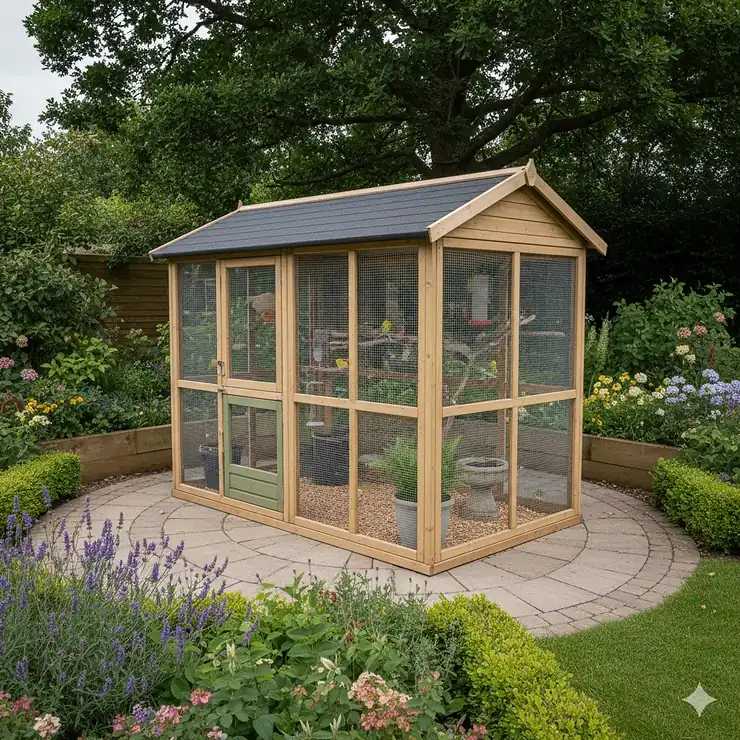
Picture this: you’re sipping your morning cuppa, watching your budgies flit about in their spacious outdoor sanctuary whilst the British sun (when it decides to show up!) filters through the mesh. A properly designed garden aviary transforms your backyard into a thriving ecosystem where your birds can experience natural sunlight, fresh air, and the freedom to truly spread their wings. After reviewing dozens of models and speaking with experienced bird keepers across the UK, I’ve compiled this comprehensive guide to help you choose the perfect outdoor haven for your feathered companions.
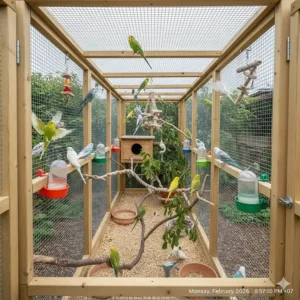
Whether you’re housing chatty budgies, melodious canaries, or elegant cockatiels, selecting the right garden aviary involves balancing space requirements, predator protection, weather resistance, and—crucially for us Brits—compliance with UK planning regulations. The good news? You don’t need to remortgage your house to create a brilliant bird paradise. From budget-friendly hexagonal designs to premium walk-in structures, there’s an option for every garden size and budget. Let’s dive into what makes a garden aviary truly exceptional and explore the top models available in 2026.
Quick Comparison Table
| Product | Dimensions | Best For | Price Range | Rating |
|---|---|---|---|---|
| FeelGoodUK Hexagonal Aviary | 187H x 127W x 108D cm | Small birds, budget-conscious | £199-£229 | 4.0/5 ⭐ |
| PawHut Wooden Outdoor Aviary | 171H x 92L x 52W cm | Canaries, finches | £180-£220 | 4.3/5 ⭐ |
| KCT Brazil Aviary | Hexagonal design | Multi-purpose use | £209.99 | 4.0/5 ⭐ |
| FeelGoodUK Large Bird Aviary | Multiple flight areas | Breeding, groups | £290-£350 | 4.4/5 ⭐ |
| PawHut 2-in-1 Mobile Aviary | 140H x 51.5W cm | Flexibility, small spaces | £85-£110 | 4.2/5 ⭐ |
| Framebow Arched Aviary | Custom dimensions | Luxury, aesthetics | £1,359+ | 5.0/5 ⭐ |
| 4MyPet Fox-Proof Run | 310L x 133W x 94H cm | Security-focused | £310-£410 | 4.5/5 ⭐ |
💬 Just one click – help others make better buying decisions too! 😊
✨ Don’t Miss These Exclusive Deals!
🔍 Take your bird keeping to the next level with these carefully selected products. Click on any highlighted item to check current pricing and availability on Amazon.co.uk. These structures will help you create authentic outdoor sanctuaries your feathered friends will love!
Top 7 Garden Aviaries: Expert Analysis
1. FeelGoodUK Hexagonal Bird Aviary – Best Overall Value
The FeelGoodUK Hexagonal Aviary consistently tops our recommendations for good reason. This attractively designed hexagonal structure combines affordability with solid construction, making it ideal for first-time aviary owners or those working with modest garden spaces.
Key Specifications:
- Dimensions: 187cm (H) x 127cm (W) x 108cm (D)
- 10mm wood with 25mm wooden frame
- 1cm x 1cm galvanised wire mesh
- Multiple front-opening doors (8 total)
UK Customer Feedback: Buyers praise its surprisingly straightforward assembly, with one customer noting they assembled it alone in under three hours. Several reviews mention housing up to 9 budgies comfortably, though some suggest the door latches benefit from additional spring bolts for enhanced security.
✅ Pros:
- Excellent value at £199-£229
- Attractive tongue-and-groove back panels
- Includes nesting boxes and perches
- Expandable with extension runs
❌ Cons:
- Door handles somewhat flimsy (easily upgraded)
- Mesh size may be too large for tiny finches
Price Range: £199.99-£229.99 | Available: Amazon.co.uk, FeelGoodUK direct
2. PawHut Wooden Outdoor Aviary with Wheels – Best for Mobility
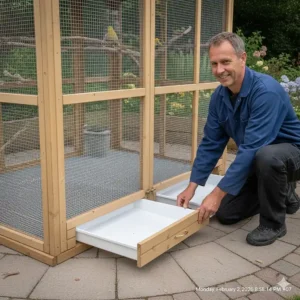
If flexibility matters to you, the PawHut Wooden Aviary offers brilliant manoeuvrability thanks to its wheeled base. This model particularly suits bird keepers who want to position their aviary in optimal sun positions throughout the season or bring it closer to the house during harsh weather.
Key Specifications:
- Dimensions: 171cm (H) x 92cm (L) x 52cm (W)
- Fir wood construction with steel wire mesh
- Weather-resistant asphalt roof
- Integrated wheels for easy movement
UK Customer Feedback: One satisfied customer shared they use it both indoors during winter and outdoors in summer, praising the easy assembly and sturdy construction. The slide-out tray receives particular acclaim for simplifying cleaning routines.
✅ Pros:
- Mobility on wheels
- Weather-resistant roof
- Easy-clean slide-out tray
- Suitable for year-round use
❌ Cons:
- Narrower design limits side-to-side flight
- Side access panel position fixed
Price Range: £180-£220 | Available: Amazon.co.uk
3. KCT Brazil Outdoor Wooden Bird Aviary – Best for Garden Aesthetics
The KCT Brazil Aviary brings a touch of visual elegance to your outdoor space whilst providing robust protection for your birds. Its hexagonal design and quality timber construction make it look more like attractive garden furniture than a functional bird enclosure.
Key Specifications:
- Hexagonal wooden construction
- Durable asphalt roof
- Suitable for budgies, doves, lovebirds
- Also appropriate for cats and chipmunks
UK Customer Feedback: Users appreciate how it blends seamlessly into garden landscapes. The flat-pack delivery and clear instructions make assembly manageable, though having a second person for the roof installation proves helpful.
✅ Pros:
- Attractive appearance
- Versatile multi-pet use
- Weather protection
- Stable construction
❌ Cons:
- Limited to smaller bird species
- Assembly requires two people ideally
Price Range: £209.99 | Available: KCT Direct, selected UK retailers
4. FeelGoodUK Large Bird Aviary – Best for Breeding & Groups
When space and expansion capabilities top your priority list, the FeelGoodUK Large Aviary delivers impressively. This model features multiple flight areas, separate nesting compartments, and the capacity to house larger bird colonies comfortably.
Key Specifications:
- Multiple flight areas with connecting doors
- Wooden perches and dual nesting boxes
- Removable mats for easy cleaning
- 1cm galvanised wire mesh throughout
UK Customer Feedback: Breeders particularly value the flexibility of opening or closing sections to create separate breeding spaces. One reviewer housed both budgies and finches successfully, praising the spacious design. The numbered parts system simplifies what could otherwise be a challenging assembly.
✅ Pros:
- Expandable design
- Multiple compartments
- Ideal for breeding programmes
- Generous internal space
❌ Cons:
- Higher price point (£290-£350)
- Requires more garden space
- Assembly more time-consuming
Price Range: £290-£350 | Available: FeelGoodUK, Amazon.co.uk
5. PawHut 2-in-1 Mobile Budgie Cage – Best Budget Option
For those on tighter budgets or with limited outdoor space, the PawHut 2-in-1 Aviary provides excellent functionality without breaking the bank. Its modular design allows you to use two sections separately or combine them into one larger enclosure.
Key Specifications:
- Dimensions: 140cm (H) x 51.5cm (W) x 50cm (D)
- Two stackable sections
- Four wheels for mobility
- Multiple access doors
UK Customer Feedback: Several customers purchased multiple units, clipping them together to create impressive custom configurations. One reviewer created a nearly 4ft x 4ft space by connecting three units, describing it as “the best cage I’ve bought.”
✅ Pros:
- Affordable (£85-£110)
- Modular and expandable
- Mobile on wheels
- No sharp edges
❌ Cons:
- Best suited to smaller birds only
- More compact dimensions
- May need reinforcement for longevity
Price Range: £85.99-£109.99 | Available: Amazon.co.uk
6. Framebow Arched Bird Aviary – Premium Choice
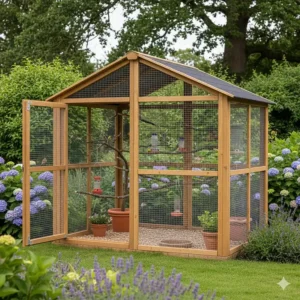
If budget isn’t your primary concern and you desire something truly special, the Framebow Arched Aviary represents the pinnacle of British aviary craftsmanship. Manufactured by Flyte’s of Fancy, this bespoke structure combines aesthetic beauty with uncompromising functionality.
Key Specifications:
- Custom dimensions available
- Premium timber construction
- Architectural arched design
- Safety porch and professional installation
UK Customer Feedback: Whilst fewer reviews exist due to its premium positioning, purchasers describe it as “investment quality” and “the Rolls-Royce of aviaries.” The professional installation service receives particular praise, ensuring perfect setup from day one.
✅ Pros:
- Exceptional build quality
- Bespoke sizing options
- Professional installation included
- Stunning visual appeal
❌ Cons:
- Premium pricing (£1,359+)
- Longer lead times
- May require planning permission depending on size
Price Range: From £1,359 | Available: Flyte’s of Fancy direct
7. 4MyPet 19-Panel Fox-Proof Aviary Run – Best Security
For those in rural areas or concerned about predators, the 4MyPet Fox-Proof Aviary offers military-grade protection. Constructed with 16-gauge wire mesh—specifically designed to deter foxes and dogs—this modular system provides customisable dimensions whilst maintaining maximum security.
Key Specifications:
- 16G (1.6mm thick) wire mesh
- Pressure-treated timber (45mm)
- Optional fox guarding (10″ mesh strips)
- Modular panel system
UK Customer Feedback: Rural customers particularly value the robust construction, with several noting zero predator incursions after installation. The modular nature allows easy expansion or reconfiguration as needs change.
✅ Pros:
- Fox and dog-proof design
- Highly customisable dimensions
- Durable construction
- Optional ground protection
❌ Cons:
- Higher price point (£310-£410)
- 3-6 week production time
- Doors sold separately
Price Range: £310-£410 | Available: 4Wire, 4MyPet direct
Understanding Garden Aviary Essentials
What Makes a Quality Garden Aviary?
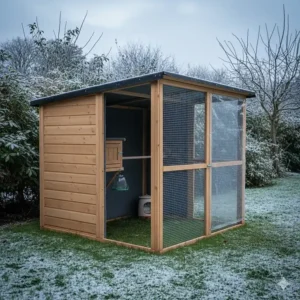
A truly effective garden aviary combines several critical elements that work in harmony to create a safe, stimulating environment for your birds. The foundation begins with mesh quality—1cm x 1cm galvanised wire represents the gold standard for most small to medium birds, preventing escapes whilst keeping predators firmly outside. Aviaries have evolved from Victorian-era ornamental structures into scientifically designed habitats that prioritise bird welfare. According to the Royal Society for the Protection of Birds (RSPB), proper ventilation coupled with weather protection ranks as equally important, allowing birds to experience natural conditions without exposure to dangerous extremes.
Structural integrity matters tremendously in our unpredictable British climate. Quality aviaries utilise pressure-treated timber or powder-coated metal frames that withstand years of rain, wind, and occasional snow. The roof design deserves particular attention—felted or asphalt coverings shed water effectively whilst providing shade during those rare British heatwaves. Internal features like multiple perches at varying heights, nesting boxes, and easy-access doors for maintenance complete the picture of an ideal setup.
Planning Permission for Garden Aviaries UK
Here’s brilliant news for most bird enthusiasts: you probably won’t need planning permission for your garden aviary. Under UK permitted development rights, structures under 2.5 metres in height typically don’t require formal approval. However, several conditions apply that you’ll want to verify before construction begins.
Your aviary must sit at least 5 metres from your home’s original dwelling line and shouldn’t exceed 3 metres in height if constructed with a pitched roof. Additionally, the structure mustn’t occupy more than 50% of your garden area or extend forward of the principal building line. Commercial use automatically triggers planning requirements, regardless of size. These regulations come from the Town and Country Planning (General Permitted Development) Order, which you can review on the UK Government Planning Portal.
For those in conservation areas, listed buildings, or with particularly large aviaries in mind, contacting your local planning authority remains the prudent approach. A quick phone call can save considerable hassle down the line. Some areas maintain additional covenants or restrictions, particularly regarding noise levels in densely populated neighbourhoods.
Fox-Proof Aviary Construction UK
British bird keepers face a persistent challenge: foxes. These cunning predators pose a genuine threat, particularly in suburban and rural settings. Constructing a truly fox-proof garden aviary requires attention to several key details that inexperienced builders often overlook.
The wire mesh gauge matters enormously—16-gauge (1.6mm thick) wire mesh represents the minimum for fox-proof construction. Anything thinner invites disaster. The mesh should extend beyond what you can see; many experienced keepers bury mesh strips 20-30cm deep around the aviary perimeter or lay mesh horizontally outward from the base, pegged firmly to the ground. This “fox skirt” prevents the digging attempts that commonly breach otherwise secure structures.
Door security demands equal attention. Multiple latching mechanisms on all access points deter both foxes and the occasional opportunistic cat. Some keepers install double-door safety porches, creating an airlock system that prevents escapes even if the outer door opens during maintenance. The RSPCA provides detailed guidance on predator-proofing aviaries, emphasising that corners and joints represent particular vulnerabilities requiring reinforcement.
Weatherproof Outdoor Aviary Considerations
Year-Round Weather Protection
British weather tests every outdoor structure, and garden aviaries are no exception. Your birds need protection from driving rain, bitter winds, and occasional snowfall, whilst still accessing fresh air and natural light. The solution lies in thoughtful design rather than complete enclosure.
Quality aviaries incorporate solid back and side panels—typically constructed from tongue-and-groove timber—that shield against prevailing winds and rain. These panels should face northwest, where our harshest weather typically originates. The roof requires not just water resistance but also sufficient overhang to direct rainwater away from interior spaces. Felted roofs work admirably, though they require annual inspection and occasional replacement. More permanent solutions include corrugated roofing panels or asphalt shingles.
Internal sheltered areas provide crucial refuge during extreme weather. At minimum, one-third of your aviary should offer complete overhead protection where birds can retreat from rain or excessive sun. Some keepers install removable weather screens—clear polycarbonate panels that attach during winter storms but remove for summer ventilation. Drainage matters too; positioning your aviary on slightly elevated ground or installing a proper base prevents that distinctly British problem of waterlogged floors turning into muddy quagmires.
Heating Requirements for Winter
Do outdoor aviaries need heating during British winters? The answer depends entirely on your bird species. Hardy natives like budgerigars, cockatiels, and many canary varieties tolerate our winters admirably, provided they’ve acclimatised gradually and have adequate shelter. However, tropical species require supplementary heating when temperatures drop below 5°C.
Purpose-built aviary tube heaters with built-in thermostats represent the safest solution. These specialist units activate automatically when temperatures fall, maintaining minimum safe levels without overheating or presenting fire hazards. Wall-mounted infrared heaters offer another excellent option, providing localised warmth without harmful fumes. Never use household space heaters, gas heaters, or open flames—these produce toxic fumes that can prove fatal to birds.
Wooden Garden Aviary Maintenance
Protecting Timber in British Weather
Wooden aviaries possess undeniable charm, but British weather wages constant war against untreated timber. Proper maintenance transforms a garden aviary from a three-year disappointment into a decade-long investment that ages gracefully.
Annual treatment with animal-safe wood preservative ranks as non-negotiable. Water-based preservatives work brilliantly, avoiding the toxic fumes associated with oil-based alternatives. Apply treatment during dry spring days, allowing complete drying before reintroducing your birds. Pay particular attention to joints, end grains, and any areas where water might accumulate—these spots rot first.
Inspect wire mesh connections quarterly, checking for rust, loose staples, or gaps that ambitious birds might exploit. Galvanised mesh resists rust impressively, but damaged coating invites corrosion. Replace compromised sections promptly rather than waiting for failure. Similarly, check door hinges and latches—British damp encourages seizing, whilst metal components may corrode without regular lubrication.
The base or floor demands special consideration. Concrete bases prevent predator incursions and simplify cleaning, though they require proper drainage to avoid standing water. Wooden bases need replacing more frequently—typically every 3-5 years depending on wood quality and treatment regimen. Raising wooden structures on breeze blocks or railway sleepers extends their lifespan by improving air circulation underneath.
Large Outdoor Aviary UK Sizing Guide
Calculating Space Requirements
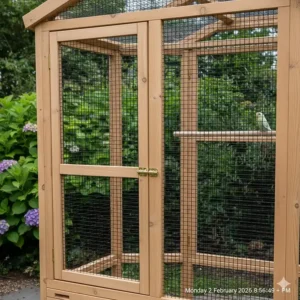
How much space do your birds genuinely need? The answer depends on species, number, and whether you’re encouraging breeding. The RSPCA recommends that aviary dimensions should provide four times the wingspan of your largest bird in height, width, and depth, plus 20% additional space for each additional bird.
For budgerigars, a practical minimum translates to 13cm of aviary length per bird, with width measuring at least half the length. Therefore, 10 budgies require roughly 130cm x 65cm minimum, though larger always proves better. A colony of 20 budgies flourishes in 4ft x 8ft x 6ft tall space. Canaries and finches demand similar proportions, though their flightier nature benefits from increased length over height.
Larger species like cockatiels, small parrots, or doves need substantially more room. A pair of cockatiels requires minimum dimensions of 180cm x 90cm x 90cm, scaling upward for additional birds. If you’re breeding, allocate separate nesting spaces to prevent territorial aggression—breeding pairs often need their own compartments entirely.
Walk-in aviaries (those tall enough for humans to enter) offer tremendous advantages for maintenance, socialisation, and enrichment activities. They transform feeding, cleaning, and interaction from awkward reaching exercises into comfortable routines. In the UK, structures under 2.5m height typically avoid planning permission, making a 2.3m tall walk-in aviary an attractive sweet spot.
Secure Aviary Construction Techniques
Building a Predator-Proof Structure
Security begins with your foundation. Concrete bases offer maximum protection but require significant initial investment and skilled installation. For DIY builders, a framework of railway sleepers filled with compacted hardcore, topped with concrete pavers, provides excellent results at lower cost. This raised base deters burrowing predators whilst maintaining good drainage.
Frame construction demands attention to joint strength. Screwed and bolted connections vastly outperform nailed joints, which work loose over time from aviary movement and vibration. Use exterior-grade screws (at least 50mm length for 50mm timber) and galvanised bolts for critical connections. Corner bracing with diagonal supports prevents racking—that gradual twisting that creates gaps in otherwise secure structures.
Wire mesh attachment represents a common failure point in amateur construction. Mesh should attach to the frame’s inside face using galvanised staples spaced every 10-15cm. Overlapping mesh sections by at least 5cm and securing with cable ties or wire provides additional security at joins. Never leave sharp wire ends protruding—these cause injuries. Fold edges back or cap with protective moulding.
Double-door safety porches prevent the most common cause of bird escapes: human error. This simple addition creates an airlock where you enter the outer door, close it, then open the inner door. Even if a bird darts toward you during feeding, it encounters the closed outer door rather than freedom. Safety porches needn’t be elaborate—a simple 1m x 1m entrance space with two secure doors provides excellent protection.
Garden Aviary vs Indoor Cages: Comparison
| Factor | Garden Aviary | Indoor Cage |
|---|---|---|
| Space | Substantially larger, enables natural flight behaviour | Limited, restricts movement |
| Natural Light | Full-spectrum sunlight exposure (essential for vitamin D synthesis) | Artificial lighting required |
| Fresh Air | Constant natural ventilation | Dependent on room ventilation |
| Weather Exposure | Stimulating but requires weather protection | Consistent, controlled environment |
| Maintenance | More extensive, weather-dependent | Easier access, daily cleaning simpler |
| Initial Cost | Higher (£85-£1,400+) | Lower (£30-£200) |
| Running Costs | Minimal (annual timber treatment) | Negligible |
| Predator Risk | Requires security measures | None |
| UK Regulations | May need planning permission >2.5m | None |
Aviary Accessories & Enrichment UK
Essential Equipment Beyond the Structure
Your aviary structure represents just the beginning. Proper furnishing transforms an empty box into an engaging environment that promotes natural behaviours and psychological wellbeing. Multiple perches at varying heights and diameters encourage exercise whilst preventing foot problems—natural branch perches with variable thickness work better than uniform dowels.
Feeding stations deserve thoughtful positioning. Multiple locations reduce competition and ensure subordinate birds access food freely. The RSPB emphasises positioning feeders where birds feel secure, typically away from potential predator approach routes. Gravity-fed seed feeders minimise waste and contamination, whilst cuttlefish bones and mineral blocks address calcium requirements.
Bathing facilities rank as non-negotiable for most species. Shallow dishes (3-5cm depth) positioned at ground level work brilliantly, though some keepers install wall-mounted bird baths. Water should be changed daily, particularly during warmer months when bacteria proliferates rapidly. Some birds prefer misting—a simple spray bottle creates brief showers that trigger bathing behaviours.
Enrichment transforms good aviaries into exceptional ones. Swings, ladders, ropes, and safe toys provide mental stimulation that prevents boredom-related behaviours. Natural branches, particularly from safe species like apple, willow, or ash, offer textures to explore and bark to strip. Avoid toxic species like laburnum, yew, or oak. Bamboo plantings thrive in aviary conditions whilst creating natural screening and perching opportunities.
Planning Your Garden Aviary Installation
Site Selection & Preparation
Where you position your garden aviary influences its success more than most keepers initially realise. Ideal locations balance sunlight exposure with shade availability, provide wind protection, and position conveniently for your maintenance routines. Morning sun exposure benefits most birds, encouraging natural wake-sleep cycles, whilst afternoon shade prevents overheating during summer.
Avoid positioning directly under large trees despite the appealing shade—falling branches pose risks, falling leaves create maintenance headaches, and wild bird droppings overhead can transmit diseases to your aviary residents. Similarly, consider your neighbours. Whilst British birds rarely create serious noise disturbances, positioning your aviary away from bedroom windows (yours and neighbours’) maintains harmonious relationships.
Ground preparation prevents future problems. Level sites drain better and simplify construction compared to sloped locations. Mark out your intended footprint using wooden stakes and string, then excavate 5-10cm depth. Fill with hardcore or gravel for drainage, compact thoroughly, then top with your chosen base material. This preparation prevents that sinking feeling (literally) that develops in poorly prepared sites.
Access matters practically. Position your aviary within reasonable distance of water sources, making daily maintenance less arduous. You’ll appreciate this proximity during British winter when trudging across soggy lawns loses its charm rapidly. Power access benefits those planning heated aviaries, though it’s essential to employ qualified electricians for outdoor electrical installations.
Health & Hygiene in Garden Aviaries
Disease Prevention & Cleaning Protocols
Hygiene ranks alongside security and weatherproofing in importance. The Royal Society for the Protection of Birds (RSPB) provides comprehensive guidance on preventing disease transmission in bird environments. Regular cleaning isn’t just advisable—it’s essential for preventing outbreaks of trichomonosis and other avian diseases.
Weekly cleaning routines should include emptying and disinfecting all food and water containers, removing droppings and soiled bedding, and checking for signs of rodent activity. Monthly deep cleans involve removing all removable furnishings for thorough disinfection with bird-safe products. Ark-Klens or 5% bleach solution works effectively; always rinse thoroughly and allow complete drying before returning birds.
Quarantine procedures protect your established flock when introducing new birds. Separate housing for 2-4 weeks allows observation for disease symptoms before integration. This cautious approach prevents catastrophic disease outbreaks that can devastate entire collections. The RSPCA emphasises that prevention far outweighs treatment in avian medicine. The UK Health Security Agency also monitors avian diseases that could affect both domestic and wild bird populations, providing guidance during disease outbreaks like avian influenza.
Watch for behavioural changes indicating health issues: lethargy, fluffed feathers, respiratory sounds, or reduced appetite warrant immediate veterinary consultation. Wild bird interactions, whilst enriching for observation, present disease risks—maintain physical barriers preventing direct contact between wild and captive birds.
Cost Analysis: Aviary Investment UK
Initial & Ongoing Expenses
Understanding the complete financial picture helps you budget appropriately. Initial aviary costs range dramatically based on size, quality, and features:
Budget Options (£85-£250):
- Basic hexagonal or rectangular aviaries
- Suitable for small bird groups (4-8 birds)
- Require more frequent maintenance
- Typical lifespan: 3-5 years with proper care
Mid-Range Options (£250-£500):
- Larger dimensions with better materials
- Enhanced weather resistance
- Expandable designs
- Expected lifespan: 5-8 years
Premium Options (£500-£1,500+):
- Bespoke dimensions and design
- Superior materials and craftsmanship
- Professional installation often included
- Lifespan: 10+ years
Annual running costs remain modest: approximately £30-£60 for wood preservative, £20-£40 for substrate replacement, and £10-£20 for mesh repairs or latch replacements. Heated aviaries add £50-£150 annually in electricity costs, depending on size and winter severity.
Common Garden Aviary Mistakes to Avoid
Learning from Others’ Experiences
Even experienced bird keepers occasionally fall into common traps when establishing garden aviaries. Undersizing ranks as the most frequent error—birds need more space than intuition suggests. That attractive compact aviary might house your current four budgies, but offers no growth capacity if you decide to expand your flock or accommodate breeding pairs.
Inadequate predator protection proves costly and heartbreaking. Many keepers learn through bitter experience that “good enough” mesh or latches invite tragedy. Fox attacks typically occur at dawn or dusk when you’re least likely to intervene. Investing in proper 16-gauge mesh and robust latches costs far less than replacing lost birds and repairing damaged structures.
Overlooking planning regulations creates legal headaches. That 3-metre-tall walk-in aviary might need formal planning permission, and retrospective applications prove more complicated than upfront compliance. A quick consultation with your local planning authority prevents future problems.
Poor drainage transforms lovely sunny day projects into waterlogged disasters after the first autumn storms. British weather demands respect—proper foundations, drainage, and weatherproofing aren’t optional extras but essential components. Many keepers regret choosing the cheapest option that “will probably be fine” rather than investing slightly more in weatherproof designs initially.
Frequently Asked Questions
❓ Do I need planning permission for a garden aviary in the UK?
❓ What's the best bird species for outdoor aviaries in the UK climate?
❓ How do I prevent foxes from attacking my garden aviary?
❓ How often should I clean my outdoor aviary?
❓ Can I keep chickens and pet birds together in the same garden aviary?
Conclusion: Creating Your Perfect Bird Paradise
Investing in a quality garden aviary transforms your relationship with your feathered companions. The joy of watching budgies perform aerial acrobatics in genuine space, observing canaries bask in natural sunlight, or hearing cockatiels call across an outdoor sanctuary enriches both your life and theirs immeasurably. This guide has walked you through the essentials—from understanding UK planning regulations to selecting predator-proof materials, from evaluating the top seven aviaries available in 2026 to maintaining hygiene standards that prevent disease.
Remember that the best garden aviary matches your specific circumstances: your bird species, garden dimensions, budget constraints, and long-term ambitions. The FeelGoodUK Hexagonal Aviary delivers brilliant value for most keepers, whilst those prioritising mobility appreciate the PawHut Wooden Aviary’s wheeled convenience. Security-conscious rural dwellers benefit from the 4MyPet Fox-Proof Run, and dedicated enthusiasts justify the Framebow Arched Aviary’s premium investment.
Whatever you choose, proper installation, diligent maintenance, and thoughtful enrichment transform structures into genuine sanctuaries. Your birds deserve the best we can provide—space to fly, natural light to thrive, and security to feel safe. With the information in this comprehensive guide, you’re now equipped to make informed decisions that benefit your feathered friends for years to come. Here’s to creating brilliant outdoor spaces where British birds flourish under British skies!
Recommended for You
- 7 Best Bird Travel Carriers UK 2026
- 7 Best Play Top Parrot Cage Large UK – Ultimate 2026 Guide
- Wooden Aviary vs Metal: 7 Best UK Options (2026 Guide)
Disclaimer: This article contains affiliate links. If you purchase products through these links, we may earn a small commission at no additional cost to you. Prices shown are approximate and may vary based on retailer promotions and availability.
✨ Found this helpful? Share it with your mates! 💬🤗
