In This Article
If you’ve caught yourself squinting at your budgie’s feet under the kitchen light, wondering whether that greyish, honeycombed texture is new or whether you’ve simply never looked closely before — welcome to the club nobody wants to join. Scaly leg mite treatment for budgies isn’t glamorous content, but it’s the kind of practical, slightly panicked search that ends with a healthier bird if you follow it through properly.
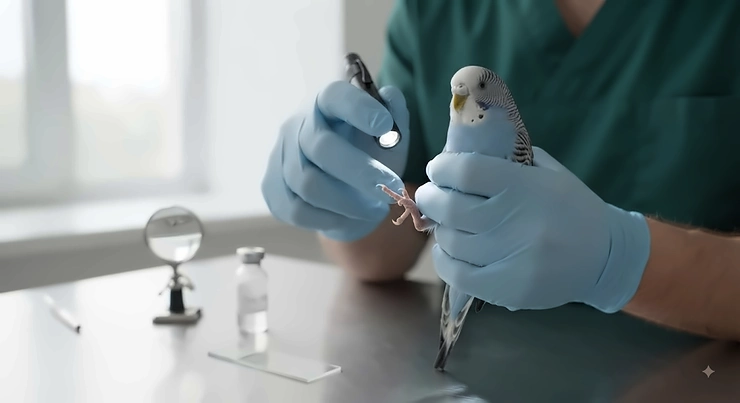
Here’s the 40-60 word version for anyone who wants the headline before the detail: scaly leg mite treatment for budgies involves killing a microscopic burrowing parasite (Knemidokoptes) living under the leg scales, using either a vet-prescribed ivermectin spot-on or a topical soothing spray, combined with strict cage hygiene, so the crusty, raised scales can heal and the mite’s life cycle is broken for good.
The mite itself is officially catalogued as causing a bird ailment common among caged birds that occurs when mites burrow into the bird’s flesh, with tunnels made by the mites within the skin causing dermatitis and scaly lesions, a condition entomologists formally call scaly foot, or knemidocoptiasis. It sounds clinical because it is — but the practical upshot for you, standing in your kitchen with a worried budgie in a towel, is simpler: this is treatable, it’s common, and panicking won’t speed anything up. What will speed things up is picking the right product, applying it correctly, and giving your bird’s environment the same attention as its legs.
This guide walks through seven real, currently available UK products, breaks down what actually works versus what’s marketing fluff, and gives you a proper decision framework so you’re not just guessing at the pet shop shelf.
Quick Comparison Table: Scaly Leg Mite Treatments at a Glance
| Product | Type | Active Approach | Price Range | Best For |
|---|---|---|---|---|
| Beaphar Anti-Parasite Spot On | Spot-on | Ivermectin (systemic) | £20-£25 range | Confirmed active infestations |
| Naqua Mite Treatment Spot-On | Spot-on | Ivermectin 0.10% | £15-£20 range | Budget-conscious vet-grade dosing |
| Naqua Oral Mite Treatment | Oral drops | Ivermectin-based | Under £15 | Birds that won’t tolerate handling |
| Johnson’s Anti-Mite Extra Spray | Contact spray | Permethrin | Under £10 | Cage, perch and general parasite control |
| Barrier Scaly Leg Spray | Topical spray | Deterrent/soothing | £10-£15 range | Larger households treating several birds |
| Nettex Scaly Leg Spray | Topical spray | 3-in-1 soothe/soften/cleanse | Under £10 | Softening crusty, established scales |
| Johnsons Clean and Safe Disinfectant | Cage disinfectant | Environmental cleaning | Under £10 | Perch hygiene and reinfection prevention |
Looking at the table, the split that matters most is spot-on versus spray: only the ivermectin-based Beaphar Anti-Parasite Spot On and the Naqua Mite Treatment Spot-On work systemically, reaching mites tunnelled deep under the scale, while sprays like Nettex Scaly Leg Spray mainly soften and soothe the surface. Budget shouldn’t be the only factor here — a £6 spray on a genuinely burrowed infestation is money spent on comfort, not a cure. If in doubt, the safest starting point is a same-week vet check to confirm what you’re actually dealing with before you commit to a product.
💬 Just one click — help others make better buying decisions too!😊
Top 7 Scaly Leg Mite Treatments for Budgies: Expert Analysis
1. Beaphar Anti-Parasite Spot On — the vet-strength gold standard
The standout here is straightforward: this is a proper veterinary medicine, not a cosmetic spray, and that distinction matters enormously once mites have actually tunnelled into the scale. Beaphar Anti-Parasite Spot On delivers ivermectin at 10 micrograms per pipette, effective against roundworms, feather lice, red and feather mites, air sac mites, and mange mites including scaly face, for up to four weeks after treatment, with the pack containing two pipettes suitable for birds weighing 20-50g — squarely in budgie territory. Because ivermectin is absorbed and circulates through the bloodstream, it kills mites wherever they’ve burrowed, not just what’s visible on the surface. Based on the spec comparison with the spray-only alternatives further down this list, this is the product most avian vets would reach for first when scales are visibly raised or honeycombed rather than merely dry. Reviewers on retailer sites report that application is genuinely a two-second job — a single drop at the base of the neck feathers, absorbed through the skin as the bird preens — with owners in online bird forums describing noticeable improvement in limping and foot-pecking within days of a first dose. The main gripe reported by buyers is price relative to pack size, since two pipettes doesn’t stretch far in a multi-bird aviary.
Pros:
- ✅ Systemic ivermectin reaches mites burrowed under scales
- ✅ Effective against multiple parasite types, not just leg mites
- ✅ Simple single-drop application, no wrestling required
Cons:
- ❌ Small pipette count for the price per treatment
- ❌ Requires accurate bird weight to dose safely
At around £20-£25 for the pack, cost-per-dose looks steep next to a spray, but for a confirmed burrowing infestation it’s genuinely the difference between managing symptoms and resolving the cause.
2. Naqua Mite Treatment Spot-On — vet-grade dosing without the premium price tag
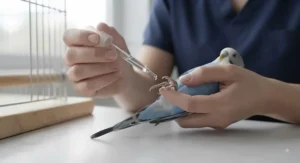
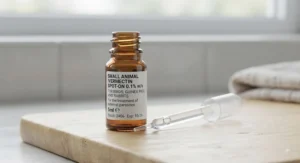
The short version: this is chemically doing the same job as the Beaphar option above, at a friendlier price point. Naqua Mite Treatment Spot-On is formulated as Ivermectin 0.10% in a 10ml vet-strength bottle designed for ornamental birds including budgies, canaries and finches. What most buyers overlook about this model is that the larger bottle format, rather than individual pipettes, actually works out significantly cheaper per treatment if you keep more than one budgie — a real consideration given mites spread through direct contact and multi-bird households typically need to treat every bird that’s had contact with an affected one. Aggregated reviews on retailer platforms consistently describe it as “vet strength” and note it doubles as general mite and lice cover, not a single-purpose scaly-leg product, which adds value if your flock has broader parasite pressure. The trade-off is that a bulk bottle demands more careful dose measurement than a pre-filled pipette, so it suits owners who are comfortable following a written dosing chart rather than wanting a foolproof single-use applicator.
Pros:
- ✅ Same active ingredient class as premium spot-ons
- ✅ Bulk bottle is cost-effective for multi-bird households
- ✅ Covers lice and other mite species too
Cons:
- ❌ Manual dosing needs more care than a pipette
- ❌ Bottle size is wasted on a single budgie owner
In the £15-£20 range, this is the pick for anyone managing an aviary rather than a single cage — the maths work in your favour the moment you’re treating more than two birds.
3. Naqua Oral Mite Treatment — for birds who flatly refuse to be handled
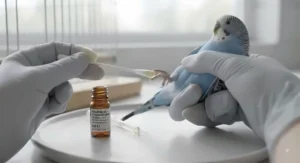
Here’s the standout: this sidesteps the entire “catching and restraining a terrified budgie” problem. Naqua Oral Mite Treatment is a 5ml oral mite treatment for birds including pigeons, finches, budgies and canaries, targeting birds from 60g up to 500g and killing lice, fleas and ticks alongside mites, added directly to drinking water rather than applied to skin. Reviewers consistently note this suits nervous, wild-caught, or particularly flighty budgies where a hands-on spot-on application would cause more stress than the mites themselves. On paper this means slower, less targeted delivery than a direct spot-on, since the bird needs to actually drink a treated water source consistently over the dosing period — worth flagging honestly rather than glossing over, because a bird that’s gone off its water due to illness may not get an adequate dose this way. It’s a genuinely useful option for skittish birds or households with several cages where individual handling isn’t practical, but it works best as a supporting tool rather than a first-line treatment for a severe, established infestation.
Pros:
- ✅ Zero handling stress, added straight to water
- ✅ Works across a wide weight range of small birds
- ✅ Covers multiple parasite types beyond leg mites
Cons:
- ❌ Relies on the bird drinking consistently to work
- ❌ Slower, less targeted than direct application
Priced under £15, it earns its place as the stress-free option for genuinely untameable or unwell birds, provided you’re monitoring water intake closely.
4. Johnson’s Anti-Mite Extra Spray — the environmental all-rounder
The short pitch: this product isn’t really about the bird’s legs directly — it’s about everything the bird touches. Johnson’s Anti-Mite Extra Spray is a water-based pump spray that kills red mite, northern mite, lice and other common parasites on caged birds and pigeons, providing lasting protection with active ingredients, and is formulated with permethrin for longer-lasting protection against re-infestation, applied as a ready-to-use 150ml pump spray. Here’s what to weigh: permethrin is a contact insecticide, effective against mites moving across feathers and cage surfaces, but it doesn’t reach parasites already tunnelled beneath keratin the way a systemic ivermectin treatment does. That distinction is genuinely important and worth repeating, because owners in online reviews occasionally report disappointment when this alone doesn’t resolve an established scaly-leg case — it’s doing a different, complementary job. Where it earns its keep is treating the cage, perches and bedding alongside the bird, cutting the risk of mites migrating from an untreated surface back onto healed legs. Applied correctly (light mist from around 30cm, avoiding the eyes and beak), reviewers describe it as fast and low-fuss for general parasite maintenance.
Pros:
- ✅ Treats cage, perches and bedding as well as the bird
- ✅ Lasting residual protection against re-infestation
- ✅ Quick, low-fuss pump spray application
Cons:
- ❌ Contact-only, doesn’t reach burrowed mites
- ❌ Best used alongside a systemic treatment, not instead
At under £10, it’s a sensible companion purchase alongside a spot-on, not a standalone cure for genuinely burrowed scaly leg mite.
5. Barrier Scaly Leg Spray — the bulk bottle for busy multi-bird setups
What stands out immediately is the sheer volume: a 500ml bottle goes a long way. Barrier Scaly Leg Spray is marketed as a deterrent against scaly leg mite for birds and poultry including cage birds, suitable for organic and intensive systems, working by repelling the mite whilst soothing and calming irritation, with instructions to apply it generously and repeat every five to six days to break the egg cycle. What most buyers overlook is that repellent-and-soothing sprays like this one are genuinely most useful either as an early-stage response to mild scaliness or as an ongoing preventative once an ivermectin course has already cleared an active infestation — rather than the sole weapon against a severe case. Aggregated customer sentiment is notably positive for comfort and visible scale softening, with reviewers reporting scales looking “less raised” within a couple of treatments, though several also mention combining it with an oil soak beforehand for stubborn, thickened scale. Because the bottle is large, it suits households running more than one bird, or anyone who wants a long-term maintenance product rather than a single-treatment fix.
Pros:
- ✅ Large 500ml bottle lasts through repeat applications
- ✅ Soothes irritation while treatment takes effect
- ✅ Suitable across multiple bird types, not just budgies
Cons:
- ❌ Deterrent action, not a systemic cure
- ❌ Repeated applications needed over several weeks
In the £10-£15 range for that bottle size, it’s a strong value pick for ongoing maintenance rather than a first-response emergency treatment.
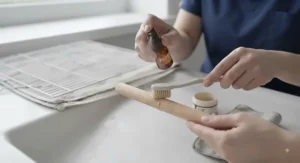
6. Nettex Scaly Leg Spray — best for softening established, crusty scale
The headline feature is right there in the name: this is a three-in-one softening product. Nettex Scaly Leg Spray is described as a 3-in-1 solution that soothes, softens and cleanses scales affected by scaly leg mites, providing a natural barrier, creating an uninhabitable environment, and suffocating the mite to eliminate the source of irritation. Based on the spec comparison with drier deterrent-only sprays, the addition of active conditioners aimed at regenerating stressed, damaged skin is the genuine differentiator here — it’s doing double duty as both a mite deterrent and a scale-softening treatment, which matters for legs that already show thick, raised, honeycombed crust rather than early mild scaliness. Reviewers report visible improvement in limping and foot-pecking behaviour within days, alongside comments that it doesn’t sting or cause visible discomfort on application, which is reassuring for anyone nervous about spraying a chemical directly onto a small bird’s skin. The realistic caveat, echoed across aggregated feedback, is that fully normal-looking scale can take several weeks to regrow even once the mite itself is dealt with — this product manages the process rather than producing an overnight transformation.
Pros:
- ✅ Softens thick, crusty, honeycombed scale specifically
- ✅ Gentle formula, minimal application discomfort reported
- ✅ Doubles as a barrier against reinfestation
Cons:
- ❌ Full scale regrowth still takes several weeks
- ❌ Less suited to very early, mild cases
Under £10, this is a genuinely strong pick when the visible damage is already advanced and comfort during healing is the priority.
7. Johnsons Clean and Safe Cage Bird Disinfectant — the prevention specialist
This last pick deliberately isn’t a mite killer at all — it’s the product that stops you needing one again. Johnsons Clean and Safe Cage Bird Disinfectant Spray is a 500ml formula designed to kill bacteria and viruses on cage surfaces with a fresh fragrance, sitting alongside Johnson’s wider anti-parasite range as the hygiene half of a complete treatment plan. What the spec sheet won’t tell you, but avian vets consistently note, is that disinfecting perches, food bowls and toys is not optional busywork — it directly reduces the chance of a treated bird being reinfected by mite eggs or debris left on cage furniture, particularly in multi-bird setups where one carrier can undo weeks of treatment on the rest of the flock. This is exactly the kind of lesser-known but genuinely useful product that rarely gets mentioned in “top mite treatments” round-ups because it isn’t a mite treatment — yet skipping it is one of the most common reasons owners report mites “coming back” after a course of spot-on or spray treatment appeared to have worked.
Pros:
- ✅ Breaks the reinfection cycle via cage hygiene
- ✅ Large 500ml bottle covers repeated deep cleans
- ✅ Safe fresh-fragrance formula for regular use
Cons:
- ❌ Does nothing to treat an active mite infestation
- ❌ Easy to overlook as a “non-essential” purchase
At under £10, pairing this with any of the six treatments above is one of the cheapest, most overlooked upgrades to your overall success rate.
Practical Usage Guide: Getting the First 30 Days Right
Buying the right product is honestly the easy part — the first month of actually using it is where most owners either succeed quietly or accidentally undo their own progress. Start by isolating any affected bird from the rest of the flock immediately, since scaly face and leg mites are highly contagious and typically spread through direct contact between infected and healthy birds. Apply your chosen spot-on or spray exactly on the schedule printed on the pack — skipping doses is the single most common reason mites “come back,” because you’re breaking the egg cycle only if treatment is consistent across the mite’s roughly three-week life cycle.
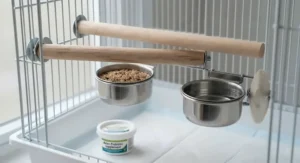
Perch hygiene deserves its own moment here, because it’s frequently treated as an afterthought. PDSA’s vets note that natural, uneven perches are healthiest for budgie feet generally, and that baking a new perch for an hour kills parasites living in the bark before it ever goes near your bird. During active treatment, wash or replace every perch, swap plastic toys for ones you can sterilise, and give food and water pots a proper scrub daily rather than a quick rinse. A common mistake in the first 30 days is treating the bird thoroughly while leaving the cage untouched — mites don’t survive long off a host, but debris and crust left on surfaces can still reinfect a healing bird. Set a simple reminder for re-application dates, and resist the urge to judge success purely by appearance in week one; scale texture genuinely lags behind the mite actually being dead.
Real-World Scenarios: Which Treatment Fits Your Situation
The first-time owner with one budgie showing mild dry patches: if the scale is only slightly raised with no obvious limping, a soothing spray like Nettex Scaly Leg Spray paired with a vet check to confirm it’s genuinely mites (rather than simple dryness or ageing scale) is a proportionate first step, with Johnsons Clean and Safe Cage Bird Disinfectant brought in immediately for cage hygiene.
The aviary keeper with six budgies and one visibly affected bird: isolate the affected bird, but treat the whole flock, since contact spread means apparently healthy birds may already be carrying an early infestation. The bulk-format Naqua Mite Treatment Spot-On makes far more financial sense here than buying multiple single-pipette packs, and Johnson’s Anti-Mite Extra Spray across every cage and perch closes the environmental loop.
The owner with a nervous, unhandleable rescue budgie: forcing a struggle for a spot-on application can cause more physiological stress than the mites themselves in an already anxious bird. Naqua Oral Mite Treatment in the water bowl, monitored closely for intake, is the sensible compromise, escalating to a vet-administered spot-on only if drinking-based dosing isn’t shifting things after a couple of weeks.
Problem → Solution: Fixing Common Scaly Leg and Crusty Leg Issues
Problem: crusty leg treatment for the bird isn’t showing results after a week. Ivermectin spot-ons typically need up to four weeks to fully clear a cycle, and visible scale improvement always lags behind the mite dying — give it the full course before concluding a product has failed.
Problem: the budgie keeps limping and pecking at its feet despite treatment. Check that every perch, toy and food bowl was actually disinfected alongside the bird; a single untreated surface can reinfect a healing budgie within days.
Problem: you’re not sure if it’s actually mites or just old age. Genuine Knemidokoptes infestation produces the distinctive honeycomb, porous texture rather than smooth thickening — if you’re unsure, a same-week vet visit with a simple skin scrape is worth far more than guessing.
Problem: one bird is treated but others in the cage seem fine. Treat all contact birds regardless of visible symptoms, since the mite can sit dormant for a period before symptoms appear, and untreated carriers routinely reinfect a recovering bird.
Problem: scales look permanently thickened even after the mite is gone. In long-standing, untreated cases, some leg scale damage can be structural rather than purely infectious — this is where early intervention genuinely changes the long-term outcome versus letting a mild case run for months.
How to Choose the Right Leg Mite Treatment for Birds
- Confirm it’s genuinely mites first. Honeycomb, porous, raised scale points to Knemidokoptes; smooth thickening in an older bird may simply be age-related keratin build-up needing a different approach entirely.
- Match treatment type to severity. Mild, early scaliness responds well to a soothing spray; visibly raised, honeycombed, or painful-looking legs usually need a systemic ivermectin spot-on.
- Factor in how many birds you’re treating. Single-pipette products suit one bird; bulk bottles pay for themselves fast in a multi-bird household.
- Consider your bird’s temperament. A flighty, hard-to-handle bird may do better with an oral or water-based option than a struggle-inducing spot-on application.
- Never skip the environmental half. A disinfectant for perches and cage surfaces isn’t optional extra spend — it’s what stops the whole cycle repeating.
- Check weight-based dosing carefully. Ivermectin products are dosed by bird weight; guessing rather than weighing is one of the most avoidable safety mistakes.
- Have a vet check plan B ready. If there’s no improvement after a full treatment course, a same-week vet consultation beats repeating the same product indefinitely.
Understanding Keratin Overgrowth: What’s Really Happening Under Those Scales
It helps to understand what the mite is actually doing, rather than just treating the visible symptom. Knemidokoptes mites live off the substance of the beak and leg, which they dissolve using a keratinase enzyme, tunnelling through the outer layer and feeding as they go. The scaly, honeycombed appearance you’re seeing is your budgie’s own keratin overgrowth response — the skin thickening and proliferating in reaction to the burrowing damage, rather than the mites themselves being visible to the naked eye. This is precisely why topical soothing sprays alone can visibly “improve” the texture without necessarily killing every mite: they’re softening the keratin response, which is genuinely helpful for comfort, but it isn’t the same as eliminating the underlying parasite. Systemic treatments work differently, targeting the mite directly so the keratin overgrowth naturally subsides as the irritation causing it stops. Recognising this distinction is the single biggest factor in choosing the right product rather than the cheapest-looking one.
Spray vs Spot-On: Which Treatment Type Actually Wins?
| Factor | Spray (contact) | Spot-on (systemic) |
|---|---|---|
| Reaches burrowed mites | No — surface only | Yes — absorbed and circulated |
| Speed of application | Fast, low-stress | Fast, minimal handling |
| Best suited to | Mild cases, prevention, environment | Confirmed, established infestation |
| Multi-bird value | Good, treats cage too | Good with bulk bottle format |
| Typical cost | Under £10-£15 | £15-£25 range |
Neither type is objectively “better” — they solve different problems. A spray like Johnson’s Anti-Mite Extra Spray genuinely earns its place treating the cage environment and softening early scaliness, but for a bird with visibly raised, honeycombed legs, a systemic option like Beaphar Anti-Parasite Spot On or Naqua Mite Treatment Spot-On is doing work a spray simply can’t reach. Many experienced owners run both in sequence: spot-on to clear the infestation, spray and disinfectant to maintain and prevent recurrence.
Common Mistakes When Buying Leg Mite Treatment for Birds
The single most repeated mistake is buying a soothing spray for what’s actually an established, burrowed infestation, then feeling frustrated when scale texture doesn’t fully normalise. A close second is dosing by guesswork rather than by your bird’s actual weight — ivermectin products are formulated for specific weight ranges, and budgies at the lighter end of “small bird” categories need particular care. Owners also frequently stop treatment the moment scales look slightly better, rather than completing the full course needed to break the mite’s life cycle. Skipping cage and perch hygiene entirely is another classic error, effectively guaranteeing reinfection within weeks. Finally, delaying a vet visit for a severe, painful-looking case in the hope a shop-bought spray will resolve it can allow structural leg scale damage to set in — early, decisive treatment consistently produces better long-term outcomes than a slow, wait-and-see approach.
Long-Term Cost & Maintenance: What This Actually Costs Over a Year
A single mild case, caught early and treated with a spray plus disinfectant, might realistically cost under £20 all-in across the treatment period. A confirmed, established infestation needing a proper ivermectin course typically runs £20-£30 once you factor in the spot-on itself and a supporting cage disinfectant. The ongoing maintenance cost — regular perch replacement, periodic disinfectant use, and occasional preventative spraying in a multi-bird aviary — is genuinely modest compared with the cost and stress of repeated flare-ups from inadequate hygiene. Viewed as total cost of ownership, spending slightly more upfront on a systemic treatment plus disinfectant almost always beats the cumulative cost of repeatedly buying budget sprays that only manage symptoms without resolving the underlying cause.
Safety, Regulations & Compliance Guide
It’s worth knowing where these products sit legally, because it explains why some are shop-shelf items and others feel more clinical. In the UK, medicines for pet birds fall under a specific legal carve-out: certain medicines for cage birds and other small pets are exempt from full marketing authorisation requirements under Schedule 6 of the Veterinary Medicines Regulations, provided the active substances used have been specifically approved for that purpose. This is why ivermectin spot-ons for budgies are legitimately available without a prescription, unlike equivalent treatments for food-producing animals. That said, exemption from a full licence isn’t the same as “use however you like” — if a treatment isn’t working as expected, the cascade guidance from the Veterinary Medicines Directorate explains how a vet can legally prescribe an alternative unauthorised medicine when standard options aren’t resolving a case. Always follow pack dosing precisely, keep treated birds away from other pets (particularly cats, since some avian-safe ingredients are genuinely dangerous to them), and treat persistent limping, swelling, or distress as a same-week vet matter rather than something to keep spraying at indefinitely.
Perch Hygiene and Preventing Reinfection for Good
If there’s one habit that separates owners who treat mites once from owners who fight the same battle every few months, it’s ongoing perch hygiene. Wooden perches harbour bark texture that’s genuinely good for foot health but can equally hide mite debris if never cleaned. A simple rotating routine — one perch in use, one soaking or drying after a hot wash, one baked and ready as backup — keeps a clean supply always available without constant last-minute scrambling. Disinfect food and water containers on the same schedule as perches, not separately, since it’s easy to remember one and forget the other. For multi-cage households, avoid sharing toys or perches between birds during and immediately after treatment, even between birds that both appear healthy, since apparently unaffected carriers are a well-documented route for reinfection.
Benefits vs Traditional Home Remedies
| Approach | Effectiveness on burrowed mites | Speed | Risk |
|---|---|---|---|
| Modern ivermectin spot-on | High | Weeks | Low, if correctly dosed |
| Modern topical sprays | Moderate (surface/soothing) | Weeks | Low |
| Olive oil soaking (traditional) | Low-moderate, softens scale only | Slow | Low, but incomplete |
| Surgical spirit (traditional) | Unproven, can irritate raw skin | Slow | Higher — skin damage risk |
Traditional remedies like olive oil soaking are genuinely comforting and can soften crust while you’re waiting for a proper product to arrive, but they don’t reliably kill an established mite population on their own. Surgical spirit, sometimes suggested in older forum threads, carries real risk of irritating already-damaged skin and should be approached with caution rather than treated as a shortcut. Modern licensed spot-on and spray products consistently outperform home remedies specifically because they’re formulated and dosed for the job, rather than repurposed household items.
✨ Ready to Sort Your Budgie’s Legs for Good?
🔍 Compare these seven vet-backed treatments side by side and pick the one that actually matches your bird’s situation — not just the cheapest bottle on the shelf. Click through to check current availability and get your treatment plan started today.
Frequently Asked Questions
❓ How long does scaly leg mite treatment take to work on budgies?
❓ Can scaly leg mites spread to other pets in the house?
❓ Is scaly leg mite treatment for budgies safe to do at home?
❓ What does crusty leg treatment for bird look like once it's working?
❓ Why does leg scale damage sometimes look permanent after mites are treated?
Conclusion: Getting Your Budgie’s Legs Back to Normal
Scaly leg mite treatment for budgies really comes down to matching the right tool to the actual severity you’re looking at, then following through with the unglamorous but essential hygiene work that stops the whole cycle repeating. A mild, early case can often be managed with a soothing spray and a proper disinfecting routine; a genuinely established, honeycombed infestation calls for a systemic ivermectin spot-on, applied on schedule and backed up by treating every surface your budgie touches. None of the seven products covered here are magic — they’re tools that work when used correctly and consistently, and fall short when treatment stops the moment things look slightly better. If you’re ever genuinely unsure whether you’re looking at mites, ageing scale, or something else entirely, a same-week vet visit remains the single best investment you can make, both for accurate diagnosis and peace of mind. Treat early, treat thoroughly, and keep the cage as clean as the bird, and there’s every reason to expect those legs back to smooth, healthy normal.
Recommended for You
- Scaly Face Treatment for Budgies Review 2026: 7 Products That Work
- 7 Top Rated Bird Wormer Under £20 Picks for 2026: Full Guide
- Buy Bird Mite Treatment UK: 7 Best Options Compared (2026)
Disclaimer: This article contains affiliate links. As an Amazon Associate, I earn from qualifying purchases. If you purchase products through these links, we may earn a small commission at no additional cost to you.
✨ Found this helpful? Share it with your friends! 💬🤗
