
In This Article
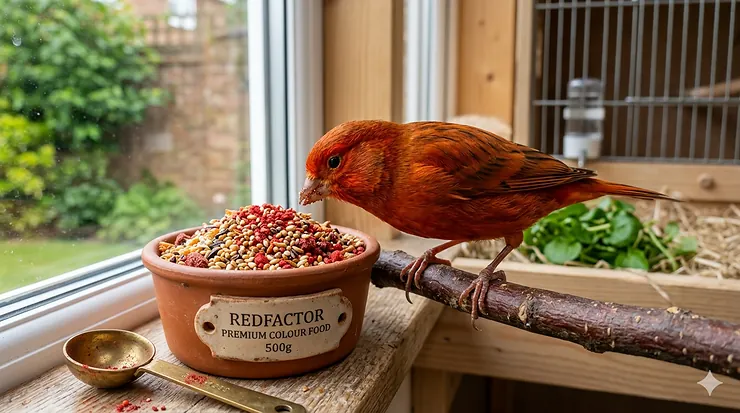
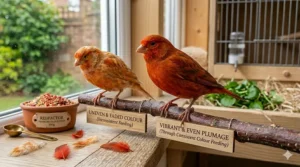
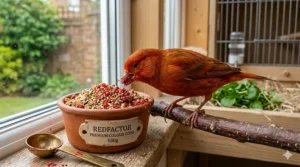
If you’ve ever wondered why some canaries sport breathtakingly vibrant plumage whilst others appear rather dull, the secret lies not in genetics alone but in what they eat. Canary colour food represents a specialised category of avian nutrition designed specifically to enhance and maintain the stunning red, orange, and yellow hues that make these birds such captivating pets.
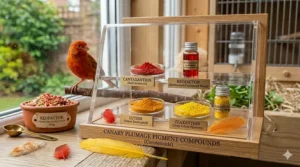
Unlike ordinary birdseed, canary colour food contains carefully calibrated levels of carotenoid pigments—the same compounds that give carrots their orange colour and flamingos their pink feathers. Research from Auburn University demonstrates that red-factor canaries can metabolically convert yellow dietary carotenoids into red ketocarotenoids, enabling them to develop their characteristic crimson plumage. For UK bird enthusiasts, particularly those involved in competitive showing, understanding colour feeding isn’t just helpful—it’s essential.
The UK canary fancy has long recognised that achieving championship-quality birds requires more than good breeding; it demands precise nutritional management. Whether you’re preparing your bird for the National Exhibition Centre shows or simply want your pet to look its absolute best, this comprehensive guide will walk you through everything you need to know about canary colour food, from the science behind pigmentation to the top products available on Amazon.co.uk in 2026.
Quick Comparison Table
| Product | Key Features | Price Range | Best For | Rating |
|---|---|---|---|---|
| Haith’s Ready Mixed Colour Food | Robin Red formula, Spanish sweet pepper | £8.99-£12.99 | Show birds, red factors | ⭐⭐⭐⭐⭐ |
| Versele-Laga Prestige Premium Canary | Complete nutrition, European breeder approved | £19.99 | All canaries, daily feeding | ⭐⭐⭐⭐½ |
| Beaphar XtraVital Canary Food | 26 seed varieties, echinacea, egg food | £7.64 | Budget-conscious owners | ⭐⭐⭐⭐ |
| Johnston & Jeff Canary Seed Mix | 99.9% purity, British-made | £11.32 | Quality-focused breeders | ⭐⭐⭐⭐½ |
| Carophyll Red Colour Enhancer | Concentrated canthaxanthin | £15.99-£24.99 | Red factor specialists | ⭐⭐⭐⭐⭐ |
| SkyGold Special Canary Food | Balanced mix, 40+ years heritage | £38.98 (20kg) | Large aviaries | ⭐⭐⭐⭐ |
| Quiko Special Red Egg Food | High protein, colour enhancement | £18.99-£22.99 | Breeding season | ⭐⭐⭐⭐½ |
💬 Just one click – help others make better buying decisions too! 😊
Top 7 Canary Colour Food Products: Expert Analysis
1. Haith’s Ready Mixed Colour Food – The British Gold Standard
When UK breeders discuss colour feeding, Haith’s Ready Mixed Colour Food inevitably dominates the conversation. This legendary product has been the secret weapon of champion exhibitors for decades, and for good reason.
Key Specifications:
- Contains Robin Red (premium Spanish sweet pepper)
- Protein content: 15.20%
- Oil/fat: 12.35%
- Available in 500g to 3kg bags
What Makes It Special: Preferred by many breeders as it’s safe and easy to feed to canaries, British finches and hybrids, this mix is especially recommended for novice breeders as results are more predictable than some colour foods. The inclusion of Robin Red provides natural carotenoids without the harsh chemical taste some birds reject.
Customer Feedback (UK): One Lancashire breeder notes: “My red factor canary loves this stuff but more importantly his feathers seem vibrant and healthy. Definitely the easiest way to colour feed your canary.” Another from Yorkshire adds: “Love this ready mixed colour food. So easy to use and the birds love it.”
✅ Pros:
- Tried and tested British formula
- Easy to use for beginners
- Promotes tip-top condition
- Natural colour enhancement
❌ Cons:
- Premium pricing (£8.99-£12.99)
- Requires consistent feeding schedule
Price Range: £8.99-£12.99 | Best For: Show preparation, red factor canaries

2. Versele-Laga Prestige Premium Canary – The Belgian Breeder’s Choice
Versele-Laga Prestige Premium Canary represents European excellence in avian nutrition. Developed in collaboration with top continental breeders, this complete food offers more than just colour enhancement—it’s a comprehensive dietary solution.
Key Specifications:
- 2.5kg bag (also available in smaller sizes)
- Enriched with VAM pellets (vitamins, amino acids, minerals)
- Includes oyster shells for gizzard function
- Protein: 18%
Composed in consultation with European top breeders and used as basic food for all their canaries, this premium mix addresses every nutritional need your bird might have.
Customer Feedback (UK): A verified Amazon UK purchaser gave it 5 stars, noting: “Perfect quality” with no hesitation in recommending it to fellow enthusiasts.
✅ Pros:
- Complete nutritional profile
- European breeder-approved formula
- Supports optimal intestinal function
- High protein for muscle development
❌ Cons:
- Higher price point at £19.99
- May be more than needed for non-show birds
Price Range: £19.99 (2.5kg) | Best For: Serious breeders, all-round nutrition
3. Beaphar XtraVital Canary Food – Outstanding Value for Money
For UK bird keepers watching their budget without compromising quality, Beaphar XtraVital Canary Food delivers exceptional value. This Dutch-formulated blend punches well above its weight class.
Key Specifications:
- 26 varieties of seeds
- Contains apple, papaya, echinacea
- Fortified egg food included
- 500g bag lasts typical canary 7 weeks
Developed in cooperation with nutritionists, vets and bird experts, it combines fruit, 26 varieties of seeds and egg food to provide optimum nutrition. The inclusion of echinacea supports natural immunity—particularly valuable during the stressful moulting period.
Customer Feedback (UK): One satisfied customer reports: “Nice quality canary seed. Keeps him bright eyed.” Another adds: “Bought this to try as not too happy with pet shop loose stuff. Canary loves it, good value as it seems to go a long way.”
✅ Pros:
- Excellent value at £7.64
- Rich vitamin and mineral profile
- Includes immunity-boosting echinacea
- Birds accept it readily
❌ Cons:
- Less concentrated colour enhancement than specialist products
- Smaller bag sizes only
Price Range: £7.64 (500g) | Best For: Budget-conscious owners, daily feeding
4. Johnston & Jeff Canary Seed Mix – Yorkshire Quality Since 1880
There’s something reassuringly British about Johnston & Jeff, a Yorkshire company that’s been crafting premium bird feeds since 1880. Their canary mix exemplifies old-fashioned quality control.
Key Specifications:
- Cleaned to 99.9% purity
- Contains canary seed, black rapeseed, linseed, niger seed, hemp seed
- Yellow cereal biscuit for added nutrition
- 3kg bag (also available in larger sizes)
What sets Johnston & Jeff apart? They’re one of the very few UK seed manufacturers who actually clean each seed variety individually—a labour-intensive process that ensures exceptional purity and freshness.
Customer Feedback (UK): Reviews consistently praise the quality: “Clean seed and a nice mix. It arrived the next day to which was a bonus.” Another notes: “Good quality bird seed for canaries, prompt service and delivery. Have ordered before and am very satisfied.”
✅ Pros:
- British-made with rigorous quality control
- 99.9% purity level
- No dust or foreign matter
- Promotes optimum health
❌ Cons:
- Not a specialist colour food
- Best combined with colour supplements
Price Range: £11.32 (3kg) | Best For: Quality-focused breeders, base diet
5. Carophyll Red Colour Enhancer – The Professional’s Secret
For serious red factor enthusiasts, Carophyll Red represents the pinnacle of colour enhancement technology. This concentrated supplement contains canthaxanthin, the primary pigment responsible for deep red plumage.
Key Specifications:
- Concentrated canthaxanthin formula
- Available in 10g to 500g sizes
- Professional-grade colour enhancement
- Mix with soft food or egg food
Special colour-enhancing foods contain carotenoids like canthaxanthin and astaxanthin which produce shades of red and orange, and colour-feeding should begin before birds start to drop feathers. Carophyll Red delivers these pigments in their most potent form.
Customer Feedback (UK): eBay UK reviews are overwhelmingly positive: “The quality and condition was as always excellent very well packaged excellent value for money.” Breeders report visible results within one moulting cycle.
✅ Pros:
- Professional-grade concentration
- Predictable, consistent results
- Small amounts go a long way
- Ideal for show preparation
❌ Cons:
- Requires careful measurement
- Higher price for quality
- Not suitable for yellow canaries
Price Range: £15.99-£24.99 | Best For: Red factor specialists, show birds
6. SkyGold Special Canary Food – Heritage British Quality
Part of the Copdock Mill family, SkyGold Special Canary Food brings over 40 years of British avian nutrition expertise to your bird’s feeding station.
Key Specifications:
- Linseed, hemp, red and black rapeseed
- Red and white millet, canary seed
- Soya bean oil and egg biscuit
- 20kg bag (excellent value for multiple birds)
A versatile aviary food developed for canaries at all stages of life to give them a balanced and healthy diet, with high levels of protein, fibre and oil to keep your parrots happy and healthy all year round.
Customer Feedback (UK): Reviews highlight the freshness: “Delicious seed mix that your canaries and finches won’t be able to resist.” The foil-sealed packaging ensures long-lasting freshness—crucial for bulk purchases.
✅ Pros:
- British heritage brand
- Excellent value in bulk (20kg)
- Fresh foil-sealed packaging
- High protein and energy content
❌ Cons:
- Large bag size not suitable for single birds
- Storage space required
Price Range: £38.98 (20kg) | Best For: Aviaries, multiple birds
7. Quiko Special Red Egg Food – The Breeding Season Essential
Quiko Special Red Egg Food combines high protein nutrition with colour enhancement, making it the go-to choice during breeding and moulting seasons.
Key Specifications:
- Red-factor formula with canthaxanthin
- High protein egg-based food
- 1.1lb (500g) pouch
- German-engineered nutrition
This product bridges the gap between colour feeding and breeding nutrition. The egg food base provides essential amino acids whilst the canthaxanthin ensures optimal colour development in new feathers.
Customer Feedback (UK/Europe): European breeders report excellent results: “Essential for breeding season—chicks develop better colour from the start.” UK importers note consistent quality across batches.
✅ Pros:
- Dual-purpose (nutrition + colour)
- Perfect for breeding season
- High protein for chick development
- Proven European formula
❌ Cons:
- Can be harder to find on Amazon UK
- Higher price point
- Requires refrigeration after opening
Price Range: £18.99-£22.99 | Best For: Breeding season, moulting support
✨ Don’t Miss These Exclusive Deals!
🔍 Take your canary care to the next level with these carefully selected products. Click on any highlighted item to check current pricing and availability on Amazon.co.uk. These foods will help you create authentic vibrant plumage your birds will showcase with pride!
Understanding Canary Colour Feeding: The Science Behind the Feathers
What Is Canary Colour Food?
Canary colour food refers to specially formulated feeds and supplements containing carotenoid pigments that birds cannot synthesise themselves. Birds must obtain these pigments from their diet, as no birds can synthesize carotenoids de novo. Think of it as nature’s paint palette—but instead of applying colour externally, these pigments work from the inside out, being deposited directly into growing feathers during the moulting process.
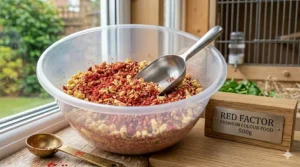
The term encompasses three main categories: complete colour-enhanced seed mixes (like Haith’s Ready Mixed), colour supplements (like Carophyll Red), and natural colour foods (soft foods enriched with carotenoid-rich ingredients such as papaya, carrots, and peppers).
The Carotenoid Chemistry: How Colour Actually Develops
The magic happens at the cellular level. When your canary consumes carotenoid-rich food, these pigments are absorbed through the intestinal wall, enter the bloodstream, and are transported to developing feather follicles. Red-factor canaries deposited the same plumage carotenoids as yellow canaries, but also deposited red ketocarotenoids, and red-factor canaries deposited higher total amounts of carotenoids than yellow canaries.
Here’s the fascinating bit: yellow canaries deposit dietary carotenoids relatively unchanged, whilst red-factor canaries possess the metabolic machinery to transform yellow pigments (like beta-carotene) into red ketocarotenoids (like canthaxanthin). This biochemical wizardry is why red-factor canaries require different feeding strategies than their yellow cousins.
Critical Timing: When to Start Colour Feeding
Generally, it’s best to begin introducing colour foods to your canaries when they are about 6 months old, and it’s advisable to introduce colour-enhancing foods before the moult period, as canaries shed old feathers and grow new ones. In the UK, canaries typically moult in late summer or early autumn, making July the ideal time to begin intensive colour feeding.
The key principle: colour feeding only affects new feather growth. You cannot change the colour of existing feathers—they must be replaced through natural moulting. This is why show preparation begins months before competition dates.
How to Choose the Right Canary Colour Food for Your Bird
For Red Factor Canaries: Maximising Crimson Brilliance
Red factor owners should prioritise foods containing canthaxanthin and other ketocarotenoids. Haith’s Ready Mixed Colour Food or Carophyll Red are your best options. The feeding strategy should include:
Pre-Moult (6-8 weeks before): Begin introducing colour food mixed 25% with regular feed During Moult: Increase to 75% colour food Post-Moult: Maintain at 50% to preserve colour intensity
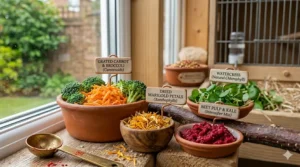
Natural additions like grated carrot, papaya, and red peppers complement commercial products beautifully. Natural color-feeding with carrots, paprika, cherries, cayenne pepper, beets, yams, and any other orange and red natural food will help to change your bird’s color, and this natural way of color-feeding is purportedly better for the canary’s overall health.
For Yellow Canaries: Enhancing Golden Radiance
Yellow canaries benefit from carotenoid sources that enhance rather than alter their natural colour. Beaphar XtraVital or Versele-Laga Prestige work excellently, as they provide carotenoids that intensify yellow pigmentation without introducing red tones.
Focus on lutein and zeaxanthin sources. These include:
- Green leafy vegetables (spinach, kale)
- Egg yolk (natural source)
- Yellow peppers
- Sweetcorn
For Show Birds: Championship-Level Preparation
Competitive showing demands precision. Top exhibitors typically use:
- Base diet: High-quality seed mix (Johnston & Jeff or similar)
- Colour supplement: Carophyll Red or Haith’s Ready Mixed
- Conditioning food: Egg food during moult
- Fresh additions: Daily vegetables and fruits
The National Exhibition Centre and county shows have strict timelines. Plan your colour feeding to peak 2-3 weeks after moult completion—typically October or November for spring shows.
For Pet Canaries: Healthy Everyday Feeding
Not preparing for competition? You can still enhance your bird’s appearance with sensible colour feeding. A complete food like Beaphar XtraVital provides baseline carotenoids whilst delivering comprehensive nutrition. Add occasional treats of grated carrot or chopped red pepper 2-3 times weekly.
Remember: over-feeding colour supplements can create unnatural hues that, whilst dramatic, may indicate nutritional imbalance. Moderation ensures health first, beauty second.
Common Mistakes to Avoid When Colour Feeding Canaries
Starting Too Late in the Moult Cycle
By far the most frequent error: beginning colour feeding after new feathers have already started growing. Remember, colour-feeding should begin before birds start to drop feathers, allowing colour to pass into the bloodstream prior to commencement of new feather growth. Once a feather has emerged, its colour is fixed for that moult cycle.
Solution: Mark your calendar for mid-July and begin gradual introduction of colour food at that point, regardless of whether you see visible moulting yet.
Inconsistent Feeding Schedules
Skipping days or irregular supplementation creates patchy, uneven coloration. Carotenoid levels in the bloodstream need to remain constant during the entire feather development period.
Solution: Establish a feeding routine and stick to it religiously. If you travel frequently, prepare pre-measured portions or arrange for knowledgeable bird-sitters.
Over-Supplementation
More isn’t always better. Excessive canthaxanthin can produce overly orange or even brown feathers rather than the desired deep red. Great care should be taken when offering colour agents as too much will undoubtedly give unwanted colouring effects.
Solution: Follow manufacturer guidelines precisely. Most products provide detailed feeding instructions based on bird weight and breeding goals.
Neglecting Overall Nutrition
Focusing solely on colour whilst ignoring protein, vitamins, and minerals is counterproductive. Healthy feather growth requires comprehensive nutrition.
Solution: Use colour food as part of a complete diet, not instead of it. Combine colour supplements with quality seed mixes and fresh foods.
Forgetting Water Quality
Tap water quality varies dramatically across the UK. Hard water with high mineral content can affect carotenoid absorption.
Solution: Consider filtered or bottled water during critical colour feeding periods, particularly if you live in hard water areas like London, East Anglia, or the Cotswolds.
Maximising Results: Pro Tips from UK Breeders
The Three-Phase Approach
Championship breeders structure their feeding programme in three distinct phases:
Phase 1 – Preparation (Weeks 1-2): Mix colour food 25% with regular diet. Monitor droppings for any digestive upset.
Phase 2 – Intensification (Weeks 3-8): Increase colour food to 50-75%. This coincides with active moulting.
Phase 3 – Maintenance (Post-Moult): Reduce to 30-40% to maintain colour without over-supplementation.
Combining Natural and Commercial Sources
Don’t rely solely on packaged products. Fresh foods provide additional benefits:
For Red Factors:
- Red bell peppers (rich in capsanthin)
- Papaya (contains cryptoxanthin)
- Tomatoes (lycopene)
- Watermelon (limited amounts)
For Yellow Canaries:
- Sweetcorn (zeaxanthin)
- Egg yolk (lutein)
- Yellow courgette
- Mango (moderate amounts)
Temperature and Storage Matters
Carotenoids degrade when exposed to light, heat, and oxygen. Store colour food in:
- Airtight containers
- Cool, dark locations (pantry, not kitchen counter)
- Original packaging when possible (often has UV protection)
UK’s variable climate means garage storage isn’t ideal due to temperature fluctuations. A kitchen cupboard away from cookers works best.
Supplement with Probiotics
The feed consists of a unique combination of various seeds, fruits, and egg food and contains protein, vitamins and minerals to support vitality, but gut health affects carotenoid absorption. Adding probiotics during colour feeding can enhance results.
Products like Avipro or similar avian probiotics support intestinal health, improving nutrient uptake. This is particularly valuable after antibiotic treatments or during stress periods.
Understanding UK Regulations for Canary Food
Food Standards and Safety
The UK’s departure from the EU has created some regulatory divergence, but standards remain high. All bird foods sold in the UK must:
- Meet the Animal Feed (Hygiene and Enforcement) (England) Regulations 2015
- Display accurate ingredient listings
- Be free from prohibited substances
- Include appropriate warning labels
Reputable manufacturers like Johnston & Jeff, Haith’s, and Versele-Laga comply with these regulations automatically. Be wary of unlabelled bulk products from unknown sources.
Canthaxanthin Limits
Professional-grade colour supplements contain concentrated canthaxanthin. Whilst legal for bird feeding, excessive use raises welfare concerns. The British Canary Fancy Association recommends following manufacturer guidelines precisely.
For reference: therapeutic feeding typically involves 6-10mg canthaxanthin per kilogramme of body weight daily during moult. Commercial products pre-calculate these ratios.
Import Considerations Post-Brexit
Some European products face new import procedures. This occasionally affects availability and pricing. Established brands maintain UK distribution networks, but specialist items may experience periodic shortages.
Tip: Purchase colour food 8-10 weeks before moulting season to avoid supply chain disruptions during critical periods.
Seasonal Feeding Strategies for UK Canaries
Spring (March-May): Breeding Preparation
Focus shifts from colour to conditioning. High-protein foods support egg production and chick rearing. Quiko Special Red Egg Food excels during this period, combining nutrition with gentle colour maintenance.
UK breeders typically separate pairs in March, with eggs appearing by April. Colour feeding takes a backseat to protein and calcium supplementation.
Summer (June-August): Pre-Moult and Moulting
This is colour feeding’s critical window. During the moult (usually in late summer or early autumn), the bird’s feathers are more receptive to colour-enhancing pigments. Begin intensive feeding in early July, continuing through August as new feathers emerge.
Watch for the first dropped flight feathers—this signals moult has begun. Increase colour food immediately to maximum recommended levels.
Autumn (September-November): Post-Moult Maintenance
New plumage has fully developed by mid-September for most canaries. Reduce colour food to maintenance levels (25-30%) whilst continuing balanced nutrition.
This is show season in the UK. Major exhibitions occur October through December. Your bird’s colour should peak 2-3 weeks post-moult.
Winter (December-February): Rest and Recovery
Minimal colour feeding required. Focus on general health, immune support, and preparing for breeding season. Versele-Laga Prestige or similar complete foods provide baseline nutrition without excess colour supplementation.
UK winters can be harsh. Ensure adequate heating (16-20°C) and humidity to prevent feather damage.
Troubleshooting: Solving Common Colour Feeding Problems
Problem: Patchy or Uneven Colour
Causes:
- Inconsistent feeding during moult
- Illness or stress interrupting feather development
- Poor-quality colour food with degraded carotenoids
Solutions:
- Maintain strict feeding schedule
- Address health issues promptly (consult avian vet)
- Purchase from reputable suppliers, check expiry dates
Problem: Orange Rather Than Red Feathers
Causes:
- Insufficient canthaxanthin concentration
- Wrong carotenoid type (beta-carotene instead of ketocarotenoids)
- Starting colour feeding too late
Solutions:
- Switch to concentrated supplements (Carophyll Red)
- Begin feeding 6-8 weeks before expected moult
- Avoid carrot-heavy diets for red factors
Problem: Dull or Faded Colour
Causes:
- Carotenoid degradation in stored food
- Inadequate fat content for carotenoid absorption
- Underlying health issues
Solutions:
- Purchase smaller quantities more frequently
- Add hemp seed or linseed for healthy fats
- Veterinary check-up to rule out liver problems
Problem: Bird Refusing Colour Food
Causes:
- Sudden diet changes
- Strong flavour of some supplements
- Preference for familiar foods
Solutions:
- Gradual introduction (10% increase every 3-4 days)
- Mix with favourite treats or egg food
- Warm slightly to enhance aroma and palatability
FAQ
❓ When should I start colour feeding my canary each year?
❓ Can I use colour food on yellow canaries or only red factor birds?
❓ How long does it take to see results from colour feeding?
❓ Are natural colour foods better than commercial supplements?
❓ What's the difference between colour food and regular canary seed?
Conclusion: Achieving Championship-Quality Plumage in 2026
The journey to vibrant, show-quality canary plumage begins with understanding that colour isn’t accidental—it’s cultivated through informed, consistent nutrition. Whether you’re aiming for the rosettes at the National Canary Show or simply want your pet to look magnificent in your living room, the principles remain the same: high-quality carotenoid sources, proper timing, and unwavering consistency.
The UK market in 2026 offers unprecedented access to world-class colour foods. From heritage British brands like Haith’s and Johnston & Jeff to European leaders like Versele-Laga and Beaphar, we’ve never had better tools for enhancing our birds’ natural beauty. Research confirms that canaries can use a variety of dietary precursors to produce plumage coloration, meaning success is achievable with multiple approaches—find what works for your birds and your budget.
Remember the fundamentals: start early (6-8 weeks pre-moult), feed consistently (no skipped days), use quality products (check expiry dates), and complement commercial feeds with natural sources. Monitor your birds’ overall health—vibrant colour means nothing if the bird itself isn’t thriving.
As we’ve explored, colour feeding represents just one aspect of comprehensive canary care. Combine it with proper housing, companionship, veterinary care, and enrichment to create an environment where your canaries don’t just survive—they flourish. The stunning plumage that results becomes not an end in itself but a visible manifestation of excellent overall husbandry.
Start your colour feeding programme today, and by this time next year, you’ll wonder how you ever settled for anything less than breathtaking.
Recommended for You
- 7 Best Canary Seed Mix Products UK 2026
- 7 Best Parrot Nut Mix for Large Parrots UK 2026
- 7 Best Large Parrot Pellets UK 2026
Disclaimer: This article contains affiliate links. If you purchase products through these links, we may earn a small commission at no additional cost to you. Prices shown are approximate and may vary.
✨ Found this helpful? Share it with your mates! 💬🤗
