In This Article
If you’ve ever watched your African grey reject a perfectly good pellet whilst demolishing a sunflower seed, you’ll understand the challenge many UK parrot owners face. What should you actually feed an African grey parrot to keep them thriving?
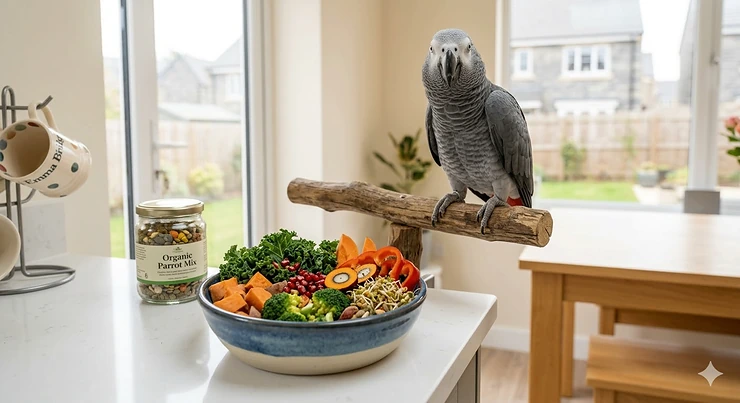
African greys are notoriously clever—and frustratingly picky. These intelligent birds are particularly prone to calcium deficiency compared to other large parrots, especially when fed predominantly seed-based diets. Getting their diet right isn’t just about preventing fussiness; it’s about avoiding serious health conditions like seizures, feather plucking, and nutritional secondary hyperparathyroidism.
In this comprehensive guide, I’ll walk you through exactly what to feed an African grey parrot, from premium pellets and seed mixes available on Amazon.co.uk to fresh vegetables and essential calcium supplements. You’ll discover the seven best food products that UK parrot owners trust, learn how to balance your grey’s nutritional needs, and understand why calcium and vitamin D3 are absolutely critical for these magnificent birds.
Whether you’re a first-time African grey owner in Manchester or an experienced bird keeper in Edinburgh looking to improve your parrot’s diet, this evidence-based guide will help you make informed choices about your feathered companion’s nutrition.
Quick Comparison Table: Top African Grey Foods at a Glance
| Product | Type | Key Benefits | Price Range (£) | Best For |
|---|---|---|---|---|
| Harrison’s High Potency Coarse | Organic Pellets | Complete nutrition, vet-recommended, non-GMO | £15-£30 | Daily staple, all ages |
| Versele-Laga NutriBird P15 | Maintenance Pellets | Probiotic formula, uniform pellets | £15-£40 | Picky eaters, daily use |
| PARROT ESSENTIALS Premium Mix | Seed & Pellet Blend | Dried vegetables, varied ingredients | £12-£25 | Transition diet, enrichment |
| ZuPreem Natural | Natural Pellets | No artificial colours, grain-based | £18-£35 | Sensitive birds, daily staple |
| Lafeber NutriBerries Original | Fortified Berries | Foraging enrichment, complete nutrition | £14-£28 | Training, foraging |
| Northern Parrots Low Sunflower | Gourmet Seed Mix | Low fat, added vitamins | £25-£45 | Variety, supplemental feeding |
| Cuttlefish Bone | Calcium Supplement | Natural calcium source, beak trimming | £3-£8 | Essential supplement |
💬 Just one click – help others make better buying decisions too! 😊
Top 7 Foods for African Grey Parrots: Expert Analysis
1. Harrison’s Adult Lifetime High Potency Coarse
When it comes to what to feed an African grey parrot as their primary diet, Harrison’s High Potency Coarse stands out as the gold standard among avian veterinarians across the UK.
Key Specifications:
- Certified organic and non-GMO verified
- Pellet size ideal for African greys (coarse formula)
- Complete nutrition with no synthetic preservatives
Price Range: £16.99-£29.99 (454g-2.27kg bags)
This premium pelleted food was developed by avian veterinarians specifically for medium to large parrots like African greys. Generally, a bird consuming 75-80% of its diet in the form of pelleted food does not need additional supplements, as pellets are meant to be nutritionally complete. Harrison’s meets this standard beautifully.
UK customer feedback consistently praises how even previously pellet-resistant greys eventually accept this food. One Birmingham owner reported her 12-year-old grey transitioned within three weeks, whilst a London breeder noted improved feather quality across her entire flock after switching.
Pros:
✅ USDA organic certification ensures chemical-free nutrition
✅ Specifically formulated with calcium-phosphorus ratios optimal for preventing nutritional deficiencies common in African greys
✅ Highly digestible with minimal waste
Cons:
❌ Premium pricing compared to other pellets
❌ Some birds require 2-3 weeks transition period
Available: Amazon.co.uk, Parrot Essentials, Northern Parrots
2. Versele-Laga NutriBird P15 Original
For owners wondering what to feed an African grey parrot that’s a notoriously picky eater, Versele-Laga NutriBird P15 offers an excellent solution with its uniform, easily digestible pellets.
Key Specifications:
- Mono-coloured pellets prevent selective feeding
- Opti-Digest formula with probiotics for gut health
- Developed in collaboration with Loro Parque experts
Price Range: £15.49-£38.00 (1kg-10kg bags)
The beauty of NutriBird P15 lies in its design—every pellet contains identical nutrition, so your grey can’t pick out favourite colours and leave the rest. This Belgian-made formula includes beneficial bacteria that support digestive health, particularly important for African greys prone to digestive sensitivities.
French and UK vets frequently recommend this brand, with positive feedback noting that birds accept it readily. One Surrey owner mentioned her grey actually prefers these pellets over seed mix, whilst a Manchester avian clinic reports excellent results using it for rehabilitation cases.
Pros:
✅ Uniform pellets eliminate selective eating behaviour
✅ Contains probiotics for optimal digestive function
✅ Excellent calcium-phosphorus ratio for bone health
Cons:
❌ Plain appearance may require creative feeding for enrichment
❌ Larger bags have shorter shelf life once opened
Available: Amazon.co.uk, Vetsend, SCARLETTS Parrot Essentials
3. PARROT ESSENTIALS Premium African Grey Parrot Food
Understanding what to feed an African grey parrot during diet transition, PARROT ESSENTIALS Premium African Grey Parrot Food provides the perfect bridge between seed-based and pelleted diets.
Key Specifications:
- 2kg bag with diverse seed and pellet combination
- Contains dried vegetables (peppers, peas) and puffed wheat
- Specially formulated for Psittacus genus
Price Range: £10.99-£18.99 (2kg)
This UK-based company has created a thoughtfully balanced mix specifically for African greys. The combination of sunflower seeds, buckwheat, oats, paddy rice, pellets, carob, maize flakes, and dried vegetables provides nutritional variety whilst maintaining interest.
Customer reviews from across the UK mention the mix’s quality and freshness, with Liverpool owners noting their greys eagerly forage through the variety. However, some mention the need to monitor intake to prevent over-consumption of higher-fat seeds.
Pros:
✅ Natural variety encourages foraging behaviour
✅ Contains 2.5% rosehip and oyster shells for added nutrition
✅ Fresh ingredients with good shelf life
Cons:
❌ Requires monitoring to prevent selective eating
❌ Mixed reviews on value for money
Available: Amazon.co.uk, Parrot Essentials direct
4. ZuPreem Natural Bird Pellets (Medium/Large)
For those seeking what to feed an African grey parrot that reacts poorly to artificial ingredients, ZuPreem Natural delivers wholesome nutrition without synthetic colours or flavours.
Key Specifications:
- Natural multigrain formula
- No artificial colours, flavours, or preservatives
- Fortified with essential vitamins and minerals
Price Range: £18.50-£34.99 (1.4kg-3lb bags)
ZuPreem Natural has gained a loyal following among UK African grey owners who prefer a more natural approach. The tan-coloured pellets contain a wholesome blend of grains, seeds, vegetables, fruits, and herbs that appeals to even finicky eaters.
Veterinarians regularly recommend ZuPreem Natural as a healthy, balanced diet designed to meet daily nutritional needs, packed with essential vitamins and minerals for thriving birds. Scottish breeders particularly praise how consistently their greys accept this food.
Pros:
✅ Free from artificial additives appeals to health-conscious owners
✅ Lower in fat than most seed-based diets
✅ Consistent quality and freshness
Cons:
❌ Plain appearance may seem less enticing initially
❌ Limited availability in some UK pet shops
Available: Amazon.co.uk, specialist bird retailers
5. Lafeber NutriBerries Original Complete Parrot Food
When considering what to feed an African grey parrot for both nutrition and mental stimulation, Lafeber NutriBerries Original brilliantly combines complete nutrition with natural foraging enrichment.
Key Specifications:
- Berry-shaped pieces with 40 essential nutrients
- Contains cracked corn, safflower, peanuts, and seeds
- Coated with vitamins and minerals
Price Range: £14.50-£27.99 (340g-1.47kg)
Dr T.J. Lafeber designed these innovative berries to merge the nutritional completeness of pellets with the engaging texture of whole foods. The berry shape makes them perfect for hiding in foraging toys, and African greys find them easy to hold and manipulate.
Yorkshire parrot owners rave about using NutriBerries as training rewards, whilst Bristol breeders incorporate them as 30-40% of their greys’ diets alongside pellets and fresh foods. The Omega 3 and 6 fatty acids support vibrant feather condition.
Pros:
✅ Encourages natural foraging behaviours
✅ Complete nutrition in an engaging format
✅ Excellent for training and enrichment
Cons:
❌ Higher price per kilogramme than standard pellets
❌ Some pieces may be wasted if bird is particularly picky
Available: Northern Parrots, Parrot Essentials, Amazon.co.uk
6. Northern Parrots African Grey Gourmet Low Sunflower Parrot Food
For UK owners seeking what to feed an African grey parrot whilst managing fat intake, Northern Parrots African Grey Gourmet offers a thoughtfully formulated seed mix with just 10% sunflower content.
Key Specifications:
- Low sunflower content (only 10%)
- Added vitamins A, D3, and E
- UK-made with no monkey nuts
Price Range: £25-£45 (10kg)
This British-made gourmet mix addresses a common concern—excessive fat consumption from seed-heavy diets. The recipe includes safflower, naked oats, wheat, peanuts, assorted dried fruits, pumpkin seeds, and hemp seed, providing diverse nutrition without overwhelming fat content.
The 10kg bag offers excellent value for owners with multiple birds or breeders. Lancashire owners report their greys maintain healthier weights on this mix compared to standard seed blends, whilst Edinburgh avian clinics recommend it for overweight rehabilitation.
Pros:
✅ Reduced sunflower content helps manage weight
✅ Contains diverse ingredients for nutritional variety
✅ UK-made ensures fresher product with faster delivery
Cons:
❌ Large bag size may not suit single-bird households
❌ Still requires balancing with pellets and fresh foods
Available: Northern Parrots, Amazon.co.uk
7. Cuttlefish Bone for Parrots (100g Pack)
No discussion of what to feed an African grey parrot is complete without addressing calcium supplementation. Cuttlefish Bone remains the most accessible and effective natural calcium source for UK parrot owners.
Key Specifications:
- Natural marine cuttlebone
- Rich in calcium and trace minerals
- Provides beak-trimming benefits
Price Range: £3.00-£8.00 (100g-200g)
Vitamin D3 is crucial as it helps African grey parrots absorb calcium, which in turn supports bone strength, muscle control, and nerve function. Without adequate vitamin D levels, the body cannot efficiently use calcium. Cuttlebone provides readily available calcium that, when combined with proper UVB lighting or dietary vitamin D3, helps prevent the nutritional deficiencies African greys are particularly susceptible to.
Brighton owners report their greys enjoy nibbling cuttlebone daily, whilst Glasgow breeders hang multiple pieces in flight cages. The rough texture simultaneously provides calcium whilst naturally trimming beaks—a double benefit.
Pros:
✅ Inexpensive and readily available across the UK
✅ Natural source with no synthetic additives
✅ Dual function: nutrition and beak maintenance
Cons:
❌ Some birds ignore it initially
❌ Quality varies between suppliers
Available: Amazon.co.uk, Parrot Essentials, all major UK pet retailers
Understanding African Grey Nutritional Requirements
The Critical Calcium-Vitamin D3 Connection
African grey parrots are more prone to calcium deficiency when fed predominantly seed-based diets compared to other large psittacines. This predisposition makes understanding what to feed an African grey parrot particularly crucial.
African greys naturally produce vitamin D3 in their skin through the uropygial gland located at the base of the tail, but birds kept indoors or fed seed-heavy diets often develop low levels of stored vitamin D3, which directly affects calcium absorption. When vitamin D levels drop, the parathyroid glands release more hormone to pull calcium from bones, potentially leading to fragile bones and neurological symptoms like tremors or seizures.
The Merck Veterinary Manual provides authoritative guidance that in the absence of natural sunlight, the minimum oral vitamin D requirement for grey parrots is likely 500–1,000 IU/kg. This evidence-based recommendation should guide UK owners when selecting fortified foods and considering supplementation.
Protein Requirements for African Greys
Adult maintenance levels of protein recommended for budgerigars and cockatiels (7–12%) are lower than those recommended for grey and Timneh parrots (10–15%), with protein requirements increasing significantly during growth, egg-laying, and heavy moult periods. This higher protein requirement distinguishes African greys from many other companion parrot species and should influence what to feed an African grey parrot on a daily basis.
Building a Balanced African Grey Diet: The 70-20-10 Rule
70%: High-Quality Pellets
Premium pellets like Harrison’s or Versele-Laga NutriBird should form the foundation of what to feed an African grey parrot. These nutritionally complete foods eliminate the guesswork from balanced nutrition.
20-25%: Fresh Vegetables and Leafy Greens
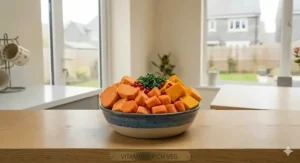
Vegetables, legumes, and greens should account for approximately 20-25% of your bird’s daily diet, with orange, red, and yellow vegetables like squash, peppers, carrots, and sweet potatoes containing vitamin A—a nutrient essential to a bird’s immune system, kidneys, skin, and feathers.
Excellent choices for UK African grey owners include:
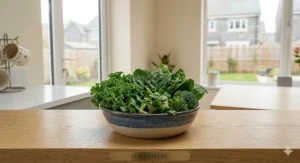
- Dark leafy greens (kale, spinach, rocket)
- Bell peppers (all colours, but especially red and orange)
- Carrots (raw or steamed)
- Broccoli and cauliflower
- Sweet potato (cooked)
- Butternut squash
According to the VCA Animal Hospitals guidance, pale vegetables with high water content like iceberg lettuce offer minimal nutritional value, whilst avocado should be avoided entirely as it’s potentially toxic to parrots.
10%: Fruits (Natural Treats)
Fruits contain high amounts of water and sugars and should comprise 10% or less of your bird’s daily diet. Suitable fruits include:
- Berries (blueberries, strawberries, raspberries)
- Apple (seeds removed)
- Mango
- Papaya
- Pomegranate
5-10%: Seeds, Nuts, and Healthy Fats
Seeds should only comprise 20-40% of a balanced diet, with only a couple of tree-type nuts such as almonds, walnuts, or Brazil nuts offered daily. For birds already on quality pelleted diets, seeds can be reduced to 5-10% as training rewards and enrichment.
Preventing Common Nutritional Deficiencies
Hypocalcaemia: The Silent Threat
Grey parrots are very prone to calcium deficiency, which manifests as convulsions or sudden falls from perches. Their ionised calcium and often total calcium levels are low, as is their vitamin D3. This represents one of the most serious risks when determining what to feed an African grey parrot.
Prevention strategies:
- Incorporate calcium-rich vegetables daily (kale, broccoli)
- Ensure cuttlebone or mineral block availability
- Provide UVB lighting for natural vitamin D3 synthesis
- Consider vet-approved calcium supplements for high-risk birds
For more detailed information about parrot health and nutrition, the NHS has guidance on vitamin D that, whilst written for humans, provides excellent background on how vitamin D functions—principles that apply to avian species as well.
Vitamin A Deficiency
Seed-based diets typically lack adequate vitamin A, potentially causing respiratory infections, poor feather quality, and weakened immunity. Fortunately, incorporating orange and dark green vegetables effectively addresses this deficiency without requiring supplementation.
The Sunflower Seed Trap
Many African greys selectively eat sunflower seeds and peanuts from mixed feeds, ignoring more nutritious options. Birds often preferentially choose peanuts and sunflower seeds that are particularly high in fat and deficient in calcium, vitamin A, and other nutrients, which can further predispose them to malnutrition. This selective appetite makes carefully considering what to feed an African grey parrot essential for long-term health.
Transitioning Your African Grey to a Healthier Diet
Week 1-2: Introduction Phase
Begin by offering new foods alongside familiar ones. Mix 10-15% pellets into your grey’s seed mix, gradually increasing the ratio. Don’t remove seed entirely—this creates stress and resistance.
Week 3-4: Increasing Acceptance
Increase pellets to 40-50% whilst reducing seed. Introduce fresh vegetables at a separate feeding time. African greys are curious and often sample new foods when relaxed.
Week 5-6: Establishing Routine
Aim for 60-70% pellets, with the remaining diet split between vegetables, fruits, and small amounts of seed. Many UK owners find their greys fully accept the new diet within 6-8 weeks.
Tips for Stubborn Eaters
If you’re struggling with what to feed an African grey parrot that refuses change, try these evidence-based approaches:
- Eat fresh vegetables in front of your grey—they’re flock animals who learn by observation
- Offer new foods first thing in the morning when birds are hungriest
- Make vegetables visually interesting by varying cuts and presentations
- Use foraging toys to make pellets more engaging
The Role of Foraging and Enrichment in Healthy Eating
Natural Feeding Behaviours
In West African rainforests, wild grey parrots spend 6-8 hours daily foraging. Replicating this natural behaviour improves both physical and mental health whilst encouraging acceptance of diverse foods.
Foraging Toy Ideas
- Hide Lafeber NutriBerries in puzzle feeders
- Skewer vegetables on stainless steel kabobs
- Wrap pellets in paper for “unboxing” enrichment
- Scatter feed across the cage bottom occasionally
Supplements: When and What to Consider
Do African Greys Need Supplements?
Birds consuming 75-80% of their diet as pelleted food generally don’t require supplements, though specific vitamins or minerals may be more important at various times during a bird’s life, such as calcium supplementation for egg-laying birds.
Calcium and Vitamin D3 Supplementation
For African greys on improved diets but with previous deficiency history, or for laying females, veterinary-approved supplements may be necessary. Products containing calcium, magnesium, and vitamin D3 specifically formulated for birds provide appropriate ratios.
UVB Lighting Considerations
African greys naturally produce vitamin D3 in their skin, but this process requires UVB light exposure. For UK owners where natural sunlight exposure is limited, investing in appropriate avian UVB lighting supports optimal calcium metabolism. The UK Government’s guidance on pet welfare emphasises the importance of appropriate environmental conditions for captive birds.
Foods to Avoid: What NOT to Feed an African Grey Parrot
Toxic Foods
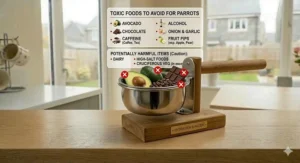
Never feed your African grey:
- Avocado – contains persin, toxic to birds
- Chocolate – theobromine is lethal
- Caffeine – from coffee, tea, or soft drinks
- Alcohol – even small amounts cause severe organ damage
- Salt – excessive sodium damages kidneys
- Apple seeds – contain cyanide compounds
- Onions and garlic – cause hemolytic anaemia
- Rhubarb leaves – contain oxalic acid
Problematic Foods
Limit or avoid:
- Processed human foods (biscuits, crisps, ready meals)
- Dairy products (birds lack lactase enzymes)
- High-fat seeds as primary diet
- Sugary treats
- Fried or oily foods
Monitoring Your African Grey’s Weight and Health
Healthy Weight Ranges
Adult African greys typically weigh 400-650 grammes, with Congo subspecies larger than Timnehs. Regular weighing (weekly for young birds, monthly for adults) helps detect health changes early.
Signs of Good Nutrition
Indicators your feeding regime is working:
- Bright, alert eyes
- Smooth, glossy plumage
- Active, engaged behaviour
- Healthy appetite without obsessive food guarding
- Appropriate weight maintenance
- Regular, well-formed droppings
Warning Signs
Consult an avian veterinarian if you notice:
- Unexplained weight loss or gain
- Feather plucking or poor feather quality
- Lethargy or weakness
- Trembling or seizures (potential calcium deficiency)
- Changes in droppings
- Loss of appetite
Seasonal Dietary Adjustments for UK Climates
Winter Feeding (October-March)
British winters mean limited natural daylight and colder temperatures. Consider:
- Slightly increasing healthy fats (nuts, seeds) for energy
- Ensuring UVB lighting runs adequate hours
- Offering warm foods occasionally (steamed vegetables, cooked grains)
- Monitoring water intake—heated rooms can dehydrate birds
Summer Feeding (April-September)
Longer days and natural sunlight change nutritional needs:
- Reduce higher-fat foods slightly
- Increase fresh fruit availability
- Provide cooling foods (chilled vegetables)
- Ensure fresh water multiple times daily
Budget-Friendly Feeding Strategies
Cost-Effective Tips
Understanding what to feed an African grey parrot needn’t break the bank:
- Buy pellets in larger bags (typically 30-40% cheaper per kilogramme)
- Shop seasonal vegetables at local markets
- Grow your own bird-safe herbs (parsley, basil, coriander)
- Join UK parrot owner Facebook groups for bulk-buying opportunities
- Make your own chop (batch-prepared vegetables) and freeze portions
Price Comparison Strategy
When shopping on Amazon.co.uk, check both individual items and bulk options. For example:
- 454g Harrison’s costs approximately £18-20
- 2.27kg Harrison’s costs £55-65 (saving roughly £20-30)
Frequently Asked Questions
❓ Can I feed my African grey parrot a seed-only diet if I add supplements?
❓ How much should I feed my African grey parrot daily?
❓ Should I give my African grey vitamin supplements in their water?
❓ What vegetables are best for African grey parrots in the UK?
❓ How can I tell if my African grey has calcium deficiency?
Conclusion: Your African Grey’s Health Starts With Proper Nutrition
Understanding what to feed an African grey parrot represents one of the most important responsibilities of parrot ownership. These intelligent, sensitive birds depend entirely on us to provide nutritionally complete diets that prevent serious health conditions.
The seven products reviewed—from Harrison’s organic pellets to simple cuttlefish bone—give UK owners reliable options for building comprehensive feeding programmes. Remember the 70-20-10 rule: 70% quality pellets, 20-25% fresh vegetables, and 10% or less fruit, with minimal seeds reserved for training and enrichment.
Even the best lighting cannot compensate for poor nutrition, so seed diets naturally low in both calcium and vitamin D3 should be replaced with balanced pelleted diets ideally formulated for African greys. This foundation, combined with UVB lighting and appropriate calcium supplementation, helps prevent the nutritional deficiencies that plague too many captive grey parrots.
Take time transitioning your bird to healthier foods—patience yields better results than forced change. Monitor your grey’s weight, watch for health indicators, and maintain regular veterinary check-ups including annual blood calcium tests.
Your African grey can live 40-60 years with proper care. Every meal you provide either contributes to vibrant health or detracts from it. Choose wisely, stay informed, and give your feathered companion the nutrition they deserve.
For more detailed species-specific guidance, consult resources like the Merck Veterinary Manual or connect with experienced avian veterinarians through the British Veterinary Association.
Recommended for You
- 7 Best African Grey Parrot Food Brands UK 2026
- 7 Best Cockatiel Treats for Hand Taming UK 2026
- 7 Best Cockatiel Pellets vs Seed Options UK 2026
Disclaimer: This article contains affiliate links. If you purchase products through these links, we may earn a small commission at no additional cost to you. Prices shown are approximate and may vary.
✨ Found this helpful? Share it with your mates! 💬🤗
