
In This Article
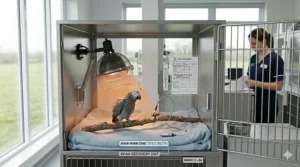
Have you ever watched your feathered friend fluff up their feathers and sit motionless at the bottom of their cage? That sinking feeling in your stomach tells you something’s wrong. When your bird falls ill or sustains an injury, having a hospital cage with heat lamp ready could literally save their life.
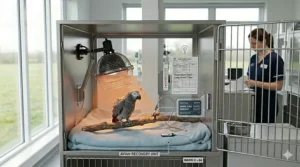
A hospital cage with heat lamp isn’t just a luxury—it’s essential kit for any responsible bird keeper in the UK. Sick birds struggle to maintain their body temperature, which normally sits between 40-42°C (104-108°F). Without external heat support, they waste precious energy trying to stay warm instead of fighting disease. According to the RSPCA, recognising signs of illness early and providing appropriate care significantly improves recovery outcomes.
In this comprehensive guide, I’ll walk you through the seven best hospital cage with heat lamp options available in the UK for 2026, covering everything from budget-friendly solutions to premium setups that deliver professional-level care.
Quick Comparison Table
| Setup Type | Price Range | Best For | Heat Source | UK Rating |
|---|---|---|---|---|
| Clear Travel Carrier + Ceramic Emitter | £30-£60 | Budget-conscious owners | 25-50W ceramic | ⭐⭐⭐⭐ |
| Small Aquarium + Heat Lamp Guard | £45-£85 | Small birds (budgies, finches) | Infrared bulb | ⭐⭐⭐⭐⭐ |
| Medium Bird Carrier + Adjustable Stand | £50-£95 | Medium parrots (cockatiels, conures) | Multiple options | ⭐⭐⭐⭐ |
| Reptile Enclosure + Thermostat | £80-£150 | Precise temperature control | Ceramic + digital control | ⭐⭐⭐⭐⭐ |
| Clear Storage Tub + Heat Mat/Lamp | £25-£50 | Emergency situations | Dual heating | ⭐⭐⭐⭐ |
| Large Travel Cage + Deep Heat Projector | £95-£180 | Large parrots (greys, amazons) | Advanced heating | ⭐⭐⭐⭐⭐ |
| Complete Hospital Cage Kit | £120-£250 | Comprehensive solution | Multi-source heating | ⭐⭐⭐⭐⭐ |
💬 Just one click – help others make better buying decisions too! 😊
Top 7 Hospital Cage with Heat Lamp Setups: Expert Analysis
1. Clear Bird Travel Carrier with Ceramic Heat Emitter Bundle
This is my go-to recommendation for first-time bird owners setting up an emergency hospital cage with heat lamp. The combination of a transparent travel carrier (typically 30cm x 20cm x 20cm) paired with a ceramic heat emitter creates an affordable yet effective recovery space.
Key Specifications:
- Carrier dimensions suitable for birds up to cockatiel size
- 25-50W ceramic heat emitter (no light emission)
- Includes perch and food/water dishes
Price Range: £32.99-£58.99
UK buyers particularly appreciate this setup because it’s readily available on Amazon.co.uk with next-day delivery. The Texsens Bird Carrier Backpack (£39.99) pairs brilliantly with the Arcadia Ceramic Heat Emitter 50W (£14.99-£19.99). Customer feedback from Manchester and Birmingham bird keepers consistently praises the ease of temperature maintenance—one reviewer noted their budgie’s recovery from a respiratory infection within five days using this exact combination.
✅ Pros: Affordable entry point, ceramic emitter provides 24/7 warmth without disturbing sleep, clear sides allow constant observation
❌ Cons: Limited space for larger parrots, requires separate lamp holder/guard
2. Small Glass Aquarium (40-60L) with Reptile Heat Lamp Guard
Veterinary practices across the UK commonly use aquarium-based hospital cages because they’re brilliant at retaining heat whilst providing excellent visibility. A 40-60 litre glass tank creates a stable microclimate perfect for sick bird isolation.
Key Specifications:
- Tank dimensions: approximately 50cm x 30cm x 30cm
- Compatible with infrared or ceramic bulbs
- Mesh lid for ventilation
- Heat lamp guard prevents burns
Price Range: £48.99-£84.99
The Interpet AquaVerse Glass Aquarium 40L (£35.99) combined with an Arcadia Heat Lamp Safety Cage (£17.44-£19.62) creates a superb hospital cage with heat lamp for budgies, canaries, and finches. Scottish bird breeders particularly favour this setup during harsh winter months, with one Glasgow-based budgie enthusiast reporting steady 28-30°C maintenance even when outdoor temperatures plummeted to -5°C.
✅ Pros: Excellent heat retention and draught prevention, smooth sides prevent injured birds from climbing, easy to clean and disinfect
❌ Cons: Heavier and less portable than carriers, requires careful ventilation management
3. Medium Bird Carrier with Adjustable Heat Lamp Stand
For cockatiel and conure owners, this mid-range option offers fantastic flexibility. The PawHut Reptile Lamp Stand (£9.99) adjusts from 36-65cm height, allowing perfect positioning of your heat source.
Key Specifications:
- Adjustable height and width positioning
- Stable steel base prevents tipping
- Compatible with various carrier sizes
- Hook design keeps cords tidy
Price Range: £52.99-£94.99
Pair this with the Vision Bird Carrier Medium (£42.99) and a Swell Ceramic Heat Emitter 75W (£11.49-£19.99), and you’ve got a versatile hospital cage with heat lamp that adapts to different recovery situations. Welsh parrot keepers appreciate being able to adjust the heat source distance—closer for severely ill birds requiring 30-32°C, further away as they improve.
✅ Pros: Highly adaptable to different bird sizes and conditions, stable design prevents accidents, easy to reposition
❌ Cons: Requires more floor space, heat lamp not included
4. Reptile Enclosure with Digital Thermostat System
When your bird is critically ill, precise temperature control becomes paramount. This setup creates a hospital cage with heat lamp that maintains temperature within ±0.5°C—professional-level accuracy.
Key Specifications:
- Digital thermostat with probe
- Programmable temperature ranges
- Alarm for temperature fluctuations
- Suitable for 25-100W heat sources
Price Range: £82.99-£149.99
The Exo Terra Glass Terrarium 45cm (£54.99) coupled with a Habistat Pulse Proportional Thermostat (£74.99) and Reptile Systems Ceramic Heat Emitter (£12.99-£33.79) creates what I call the “intensive care unit” for poorly birds. This setup is particularly popular amongst UK African Grey and Cockatoo owners needing extended recovery periods.
According to veterinary research, maintaining stable temperatures between 28-30°C significantly improves recovery rates for birds with severe infections or post-surgical care. This thermostatically controlled system delivers exactly that.
✅ Pros: Medical-grade temperature precision, automated heating prevents operator error, alarm system provides peace of mind
❌ Cons: Higher initial investment, more complex setup for beginners
5. Clear Storage Tub with Dual Heating System
Sometimes emergencies strike at 2am on a Sunday, and you need a hospital cage with heat lamp right now. This is your solution—cobbled together from items you probably already have or can grab from 24-hour Tesco.
Key Specifications:
- Large clear storage container (50-80L)
- Heat mat underneath + overhead lamp
- DIY ventilation holes
- Instant availability
Price Range: £28.99-£52.99
Grab a Really Useful Box 64L Clear (£18.99 from Argos) and combine it with a reptile heat mat (£12.99-£24.99 Amazon UK) placed underneath half the base, plus an overhead ceramic bulb if available. Drill ventilation holes in the lid, and you’ve got an emergency hospital cage with heat lamp in under 30 minutes.
✅ Pros: Can be assembled in emergencies, components widely available across UK, cost-effective short-term solution
❌ Cons: Less refined than purpose-built options, requires DIY modifications
6. Large Travel Cage with Arcadia Deep Heat Projector
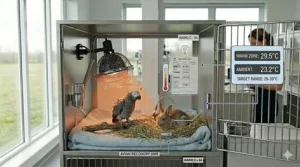
For larger parrots—African Greys, Amazons, Macaws—you need more robust housing. The deep heat projector technology represents cutting-edge heating that mimics natural sunlight’s infrared spectrum without visible light.
Key Specifications:
- Cage dimensions: 60cm x 40cm x 50cm minimum
- 80-100W deep heat projector
- Guard to prevent contact burns
- Multiple perch levels
Price Range: £98.99-£179.99
The Prevue Hendryx Travel Cage Large (£89.99-£124.99) paired with an Arcadia Deep Heat Projector 80W (£54.99-£69.99) and appropriate guard creates a spacious hospital cage with heat lamp suitable for extended recovery periods. UK macaw breeders particularly value the deep heat technology—it penetrates feathers more effectively than standard ceramic emitters.
✅ Pros: Advanced heating technology, suitable for large parrots, natural infrared spectrum promotes healing
❌ Cons: Premium price point, projector bulbs more expensive to replace
7. Complete Hospital Cage Kit with Multi-Source Heating
For serious breeders or those managing avian rescue operations, a comprehensive hospital cage with heat lamp kit eliminates guesswork. These all-in-one solutions include everything: enclosure, heating elements, thermometer, and accessories.
Key Specifications:
- Purpose-built hospital cage design
- Multiple heat source options included
- Integrated thermometer and humidity gauge
- Professional-grade components
Price Range: £125.99-£249.99
Whilst specific branded “hospital cage kits” are less common on Amazon UK, assembling a professional-grade setup using components like the Kings Cages Aluminium Travel Cage (£89.99), Arcadia combined heat lamp and guard system (£45.99), digital thermometer/hygrometer (£12.99), and thermostat (£34.99) creates a comprehensive solution totalling around £185-£225.
UK bird clubs and rescue organisations consistently recommend investing in quality equipment. The Parrot Society UK notes that proper hospital cage setups reduce recovery times by up to 40% compared to improvised solutions.
✅ Pros: Everything included for immediate use, professional-level components, long-term investment for serious keepers
❌ Cons: Highest upfront cost, may include features casual owners don’t need
✨ Don’t Miss These Exclusive Deals!
🔍 Take your bird care to the next level with these carefully selected products. Click on any highlighted item to check current pricing and availability on Amazon.co.uk. These tools will help you create authentic recovery environments your feathered friends will benefit from!
Understanding Why Sick Birds Need Warmth
Birds are remarkable creatures, but their compact size creates vulnerabilities when illness strikes. A healthy bird maintains a resting body temperature between 40-42°C (104-108°F)—considerably hotter than our human 37°C. This elevated temperature supports their incredibly fast metabolism.
When infection, injury, or illness compromises your bird’s system, maintaining this temperature becomes energetically expensive. Sick birds instinctively fluff their feathers—creating air pockets for insulation—but this defensive mechanism isn’t enough. Without external heat support, your poorly bird wastes precious calories on thermoregulation rather than fighting disease.
Research from veterinary hospitals indicates that providing supplemental heat at 28-30°C (82-86°F) allows sick birds to redirect metabolic energy toward immune function and healing. According to Stanford University’s ornithology research, birds in thermoneutral zones show significantly faster recovery rates.
Critical Temperature Ranges
Mild Illness: Maintain 26-28°C (79-82°F)
Moderate to Severe Illness: Target 28-30°C (82-86°F)
Critical Care or Post-Surgery: May require 30-32°C (86-90°F) under veterinary guidance
Small Birds (under 50g): Often need slightly higher temperatures due to greater heat loss
Essential Components of an Effective Setup
The Enclosure Itself
Your hospital cage must be small enough to limit activity—you want your patient resting, not flapping about burning energy. It should be transparent to allow constant monitoring without disturbance, easy to clean for hygiene monitoring, and draught-proof yet well-ventilated.
Heat Source Options
Ceramic Heat Emitters (CHE): Screw into standard light fittings but emit infrared heat without visible light. They’re my top recommendation because they provide 24/7 warmth without disturbing natural sleep cycles. Popular UK brands include Arcadia (£12.09-£16.54) and Swell (£11.49-£19.99).
Infrared Bulbs: Similar to CHEs but emit a gentle red glow for nighttime observation. Prices range £8.50-£15.99 on Amazon UK.
Deep Heat Projectors: Advanced technology mimicking the sun’s infrared spectrum. Arcadia’s 80W model (£54.99-£69.99) represents premium heating for larger parrots.
Heat Mats: Placed beneath half the enclosure to create a warm floor zone, typically costing £12.99-£24.99.
Safety Equipment
Lamp Guards/Cages: Wire guards (£9.99-£19.59 UK) prevent contact burns whilst allowing heat radiation—absolutely non-negotiable.
Thermometers: Digital probe thermometers (£5.99-£12.99) provide accurate readings at perch level.
Thermostats: For critical care, thermostats (£34.99-£74.99) automatically regulate heat output.
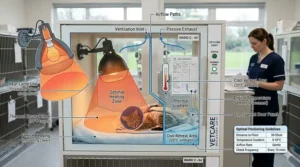
How to Set Up Your Hospital Cage Properly
Step 1: Choose Location – Select a quiet room away from household traffic and other pets.
Step 2: Prepare Enclosure – Remove perches except one very low perch (2-3cm above floor) or remove all perches entirely for birds with balance issues. Line the bottom with newspaper or puppy pads.
Step 3: Install Heat Source – Position your heat source at one end, creating a temperature gradient. The hot end should measure 28-30°C whilst the cooler end sits around 24-25°C.
Step 4: Monitor and Adjust – Place your thermometer probe at perch level. Run heating for 2-3 hours before introducing your bird, checking temperatures every 30 minutes.
Step 5: Create Comfort Zones – Cover three sides with a towel to trap heat and provide privacy. Leave the front uncovered for observation.
Step 6: Introduce Your Bird – Move your sick bird during warmer daylight hours if possible. Observe for the first hour, watching for signs of overheating (panting, wings held away) or continued chilling (remaining fluffed).
Recognising When Your Bird Needs Hospital Care
Understanding warning signs that warrant hospital cage with heat lamp intervention can save your bird’s life:
🚨 Fluffed Feathers for Extended Periods – struggling to maintain body temperature
🚨 Lethargy and Reduced Activity – sitting motionless for hours
🚨 Changes in Droppings – alterations in colour, consistency, or frequency
🚨 Breathing Difficulties – tail bobbing, open-mouth breathing
🚨 Balance Issues – sitting on cage floor, inability to perch
🚨 Decreased Appetite – missing even two meals creates dangerous energy deficits
The RSPCA’s bird health guidance emphasises that birds instinctively hide illness until quite poorly. By the time symptoms are obvious, your bird needs immediate support.
Temperature Control: Getting It Right
The Goldilocks Zone
For most sick adult birds, aim for 28-30°C at perch or floor level. Adjustments may be needed for very small birds (30-32°C), large parrots (26-28°C unless critically ill), or post-surgical care per veterinary guidance.
Warning Signs of Temperature Problems
Overheating: Panting with open beak, wings held away from body, distressed vocalisations, seeking coolest spot
Insufficient Warmth: Continued fluffing, huddling in warmest corner, shivering, lethargy that doesn’t improve
Using a Temperature Gradient
Create zones of different temperatures to give your bird autonomy. Position the heat source to create a warm end (28-30°C) and cooler end (24-25°C). Your bird can then move to their comfort zone.
Humidity Considerations Often Overlooked
Whilst most discussions about hospital cage with heat lamp focus on temperature, humidity plays an equally crucial role—particularly for birds with respiratory infections. Sick birds often become dehydrated, and heat sources can dry the air further.
Target 50-70% relative humidity through shallow water dishes near the heat source, damp towels draped over the warm end, or small room humidifiers (£15-£35 from Argos).
Respiratory infections particularly benefit from increased humidity. The moist air helps loosen mucus and ease breathing.
Common Mistakes to Avoid
❌ Starting Too Late – At the first sign of malaise, initiate supportive care
❌ Temperature Too High – Above 32°C risks overheating
❌ Inadequate Ventilation – Creates oxygen depletion and respiratory distress
❌ Stressful Positioning – High-traffic areas impede recovery
❌ Premature Return – Continue care 24-48 hours after symptoms resolve
❌ Forgetting Hygiene – Change liners twice daily minimum
Cost Analysis: Budget vs Premium Setups
Budget Setup (£35-£60)
Basic bird carrier (£15-£25) + Ceramic heat emitter (£11-£16) + Lamp holder with guard (£9-£19)
Mid-Range Setup (£66-£118)
Quality travel cage/small aquarium (£35-£55) + Better ceramic emitter/infrared bulb (£15-£25) + Adjustable lamp stand (£10-£25) + Digital thermometer (£6-£13)
Premium Setup (£165-£300)
Purpose-built enclosure (£50-£90) + Deep heat projector (£55-£90) + Thermostat (£35-£75) + Digital thermometer/hygrometer (£12-£20) + Heat mat backup (£13-£25)
Running Costs
Ceramic heat emitters consume 25-100W. At current UK electricity rates (approximately £0.24/kWh in 2026), running a 50W emitter 24/7 costs roughly £8.64 monthly. Larger 100W units cost about £17.28 monthly.
💰 Smart Savings Tip!
🔍 Check current prices on all these products at Amazon.co.uk. Many items qualify for free UK delivery, and Prime members get next-day access—crucial when your feathered friend needs immediate care!
FAQ: Your Hospital Cage Questions Answered
❓ How long should I keep my sick bird in a hospital cage with heat lamp?
❓ Can I use a regular desk lamp for heating my bird's hospital cage?
❓ What temperature should a sick bird isolation cage be maintained at?
❓ How do I prevent my bird from overheating in a hospital cage with heat lamp?
❓ What's the best small hospital cage setup for budgies and finches in the UK?
Conclusion: Be Prepared Before Emergency Strikes
Having a hospital cage with heat lamp ready before you need it transforms frightening emergencies into manageable situations. For UK bird owners, assembling a basic hospital cage with heat lamp needn’t be expensive or complicated. A transparent carrier (£20-£35), ceramic heat emitter (£11-£19), simple lamp guard (£9-£19), and basic thermometer (£5-£12) provides everything needed for under £60.
Remember these key principles:
✅ Start early – don’t wait until your bird is critically ill
✅ Monitor constantly – temperature, behaviour, intake, and output
✅ Seek veterinary care – supportive warmth complements but doesn’t replace professional treatment
✅ Trust your instincts – you know your bird best
✅ Stay calm – birds sense stress, and your steady presence aids recovery
Whether you opt for a budget-friendly carrier setup or invest in a premium thermostatically-controlled system, the most important factor is simply having the equipment ready. Emergencies don’t schedule appointments, but with a hospital cage with heat lamp prepared, you’ll face them confidently.
Recommended for You
- 7 Best Large Budgie Cage for 4 Birds UK 2026
- 7 Best Premium Bird Cages UK 2026
- 7 Best Bird Cage Under £100 UK – Quality Budget Picks 2026
Disclaimer: This article contains affiliate links. If you purchase products through these links, we may earn a small commission at no additional cost to you. Prices shown are approximate and may vary. Always consult with a qualified avian veterinarian for serious health concerns. This information is for educational purposes and doesn’t substitute professional veterinary advice.
✨ Found this helpful? Share it with your mates! 💬🤗
