
In This Article
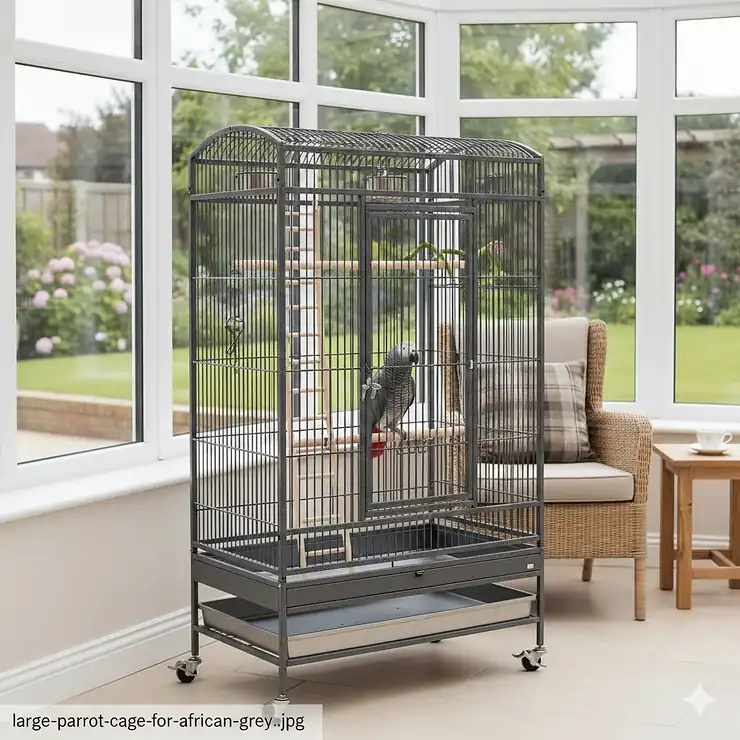
Choosing a large parrot cage isn’t just about ticking boxes—it’s about creating a sanctuary where your feathered companion can truly thrive. After spending years advising parrot owners and witnessing countless housing mistakes, I’ve learnt that the right cage makes the difference between a stressed bird and a happy, healthy one.
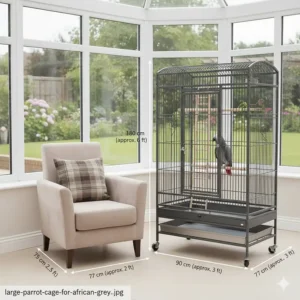
Your parrot will spend significant portions of their day in their cage, making it their primary territory. A cramped space can lead to psychological distress, feather plucking, and even physical health issues. The RSPCA emphasises that parrots must be able to fully extend their wings without touching the cage sides—and that’s just the absolute minimum requirement.
Whether you’re housing an African Grey, an Amazon, or a smaller parrot species, this comprehensive guide will walk you through everything you need to know about selecting the perfect large parrot cage in 2026. We’ve tested, researched, and compared dozens of options available on Amazon.co.uk to bring you honest reviews of the seven best cages on the market.
From understanding bar spacing requirements to evaluating powder coated finishes, we’ll cover the essential features that separate exceptional cages from mediocre ones. You’ll discover budget-friendly options that don’t compromise on safety, premium models with innovative features, and everything in between. Let’s help your parrot live their best life in a home that’s both spacious and secure.
Quick Comparison Table: Top Large Parrot Cages at a Glance
| Cage Model | Dimensions (L×W×H) | Bar Spacing | Price Range | Best For | Rating |
|---|---|---|---|---|---|
| Yaheetech 175cm Large Parrot Cage | 58×44×175cm | 1.5cm | £85-£95 | African Greys, Multi-bird setup | ⭐⭐⭐⭐⭐ |
| Yaheetech 156cm Open Top Cage | 54×54×156cm | 1cm | £75-£85 | Active parrots, Play top lovers | ⭐⭐⭐⭐½ |
| Yaheetech 132cm Rolling Cage | 79×52×132cm | 1.5cm | £70-£80 | Medium parrots, Easy mobility | ⭐⭐⭐⭐½ |
| Panana Large Flight Cage | 81×87×173cm | 1cm | £95-£110 | Large parrots, Maximum space | ⭐⭐⭐⭐ |
| Yaheetech 3-Tier Extra Large | 63×43×136cm | 1cm | £80-£90 | Multiple birds, Breeders | ⭐⭐⭐⭐ |
| Yaheetech Large Budgie Cage | 62×43×136cm | 1cm | £85-£95 | Budget option, Small-medium parrots | ⭐⭐⭐⭐ |
| Liberta Endeavour with Divider | 100×50×180cm | 2cm | £180-£220 | Premium build, Breeding pairs | ⭐⭐⭐⭐⭐ |
💬 Just one click – help others make better buying decisions too!😊
Top 7 Large Parrot Cages: Expert Analysis
1. Yaheetech 175cm Large Parrot Cage – Best Overall Choice
The Yaheetech 175cm Large Parrot Cage consistently tops our list for good reason. This impressive unit offers extraordinary value without compromising on essential features. Standing at 175cm tall with dimensions of 58×44cm, it provides ample space for African Greys, smaller cockatoos, and multiple medium-sized parrots.
Key specifications: Powder coated iron construction, 1.5cm bar spacing, four 360-degree rolling casters, detachable stand, two wooden perches, four stainless steel feeding bowls, and a convenient storage shelf beneath.
UK customers report exceptional durability and ease of assembly. One reviewer mentioned, “My African Grey absolutely loves the height—he can perch up high where he feels most secure.” The hammertone paint finish resists rust brilliantly, even in humid environments.
✅ Pros: Excellent height for natural perching behaviour, robust construction, smooth-rolling wheels for easy cleaning access, great price point
❌ Cons: Assembly requires two people, instructions could be clearer
Price: £85-£95 | Ideal for: African Greys, Amazons, multi-bird households
2. Yaheetech 156cm Open Top Parrot Cage – Best for Interactive Play
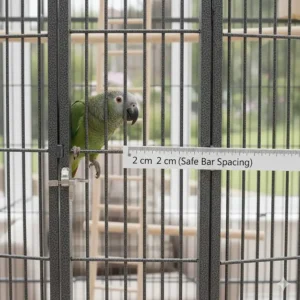
The Yaheetech 156cm Open Top transforms into a dual-purpose living space with its integrated play area. This clever design features a ladder and dowel perch on the cage top, allowing your parrot supervised out-of-cage time without needing a separate play stand.
Measuring 54×54×156cm with 1cm bar spacing, it’s perfect for cockatiels, conures, and smaller parrots. The powder coated wrought iron construction promises years of reliable service, whilst the slide-out tray makes daily cleaning absolutely straightforward.
British buyers appreciate the button lock system on the front door—it’s simple enough for humans but cleverly designed to outsmart escape artists. The included rope boing with bell provides immediate enrichment straight from the box.
✅ Pros: Built-in play area saves space and money, secure locking mechanisms, aesthetically pleasing design
❌ Cons: Square footage slightly smaller than rectangular alternatives, may need additional perches
Price: £75-£85 | Ideal for: Interactive play, space-conscious homes, Quakers and conures
3. Yaheetech 132cm Rolling Parrot Cage – Best Mobility Features
For those who frequently rearrange their living space or need to move their parrot’s cage for cleaning, the Yaheetech 132cm offers unmatched manoeuvrability. The four ball-shaped casters glide effortlessly across both carpet and hard flooring, whilst the dimensions (79×52×132cm) provide generous horizontal space for wing stretching.
The 1.5cm bar spacing suits lovebirds, cockatiels, and small conures perfectly. Customer feedback from the UK consistently praises the sturdy frame—one owner of six budgies noted they have “more than enough room to move around freely without feeling crowded.”
The metal grate separating the bottom tray from the living area ensures your parrots don’t walk through their droppings—a hygiene feature that’s absolutely essential for long-term health.
✅ Pros: Exceptional mobility, practical horizontal space, efficient waste separation system
❌ Cons: Bars slightly bendable under strong pressure (not suitable for large macaws or cockatoos)
Price: £70-£80 | Ideal for: Medium parrots, frequently relocated cages, easy cleaning access
4. Panana Large Flight Cage – Best for Maximum Space
When size truly matters, the Panana Large Flight Cage delivers impressive dimensions of 81×87×173cm. This spacious design particularly suits larger parrots or multi-bird setups where adequate flying space becomes non-negotiable.
The flight-style construction with 1cm bar spacing allows genuine wing exercise within the cage—something the RSPCA recommends for maintaining physical health. The wrought iron metal frame comes with rolling stand wheels, making repositioning manageable despite the substantial size.
British customers running aviaries note this cage integrates beautifully into breeding programmes. The generous width provides multiple feeding stations, reducing competition and stress among flock mates.
✅ Pros: Exceptional flight space, suitable for multiple birds, sturdy construction
❌ Cons: Requires significant floor space, heavier than standard cages
Price: £95-£110 | Ideal for: Large parrots, flight exercise, breeding setups
5. Yaheetech 3-Tier Extra Large Cage – Best for Breeders
The Yaheetech 3-Tier configuration offers vertical living space with dimensions of 63×43×136cm. This design excels for breeders or owners housing multiple compatible birds who appreciate different elevation levels.
The 1cm bar spacing keeps even the smallest parrots secure, whilst the powder coated metal withstands constant use. UK reviewers particularly value the multiple access doors—feeding and maintenance become significantly easier when you’re managing several birds.
One experienced breeder shared: “This is my sixth Yaheetech cage. The build quality remains consistently excellent, and assembly is straightforward even solo.” The included rope and perches provide immediate enrichment.
✅ Pros: Vertical space maximises floor usage, multiple access points, reliable brand reputation
❌ Cons: Less horizontal flying space, vertical design may not suit all species
Price: £80-£90 | Ideal for: Breeding pairs, multiple small-medium parrots, compact spaces
6. Yaheetech Large Budgie Cage – Best Budget Option
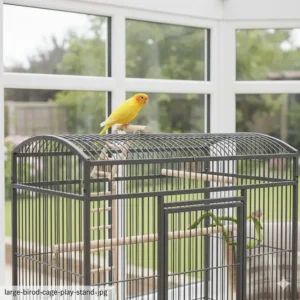
Don’t let the “budgie” designation fool you—this Yaheetech Large Budgie Cage (62×43×136cm) accommodates various small to medium parrots brilliantly. It’s become a favourite among UK parrot owners seeking quality without premium pricing.
The 1cm bar spacing, powder coated construction, and rolling stand match more expensive alternatives. What sets this apart is the hammered white finish option, which brightens rooms and shows dirt less readily than darker colours.
Customer testimonials consistently mention the value proposition: “I expected to pay at least double for a decent cage. This exceeded expectations completely.” The stainless steel feeding bowls resist chewing damage from even determined beaks.
✅ Pros: Outstanding value, reliable construction, colour options available
❌ Cons: Standard features only, no play top option
Price: £85-£95 | Ideal for: Budget-conscious buyers, first-time owners, smaller parrots
7. Liberta Endeavour with Divider – Best Premium Option
For those seeking exceptional build quality, the Liberta Endeavour Large Parrot Cage with Divider represents the premium end of the market. Measuring 100×50×180cm with 2cm bar spacing, it’s specifically engineered for larger parrot species.
The removable centre divider offers remarkable versatility—use it as two separate cages for breeding pairs or remove it for a genuinely spacious single-bird home. The powder coated finish uses premium-grade materials that resist fading and maintain their appearance for years.
British breeders particularly appreciate the swing-out feeders and breeder doors. One professional aviculturist noted: “The 5mm bar thickness withstands even determined cockatoos. It’s built to last decades, not just years.”
✅ Pros: Exceptional build quality, removable divider for versatility, suitable for large parrots
❌ Cons: Premium pricing, requires substantial space, professional assembly recommended
Price: £180-£220 | Ideal for: Large parrots, breeding programmes, long-term investment
Understanding Bar Spacing Requirements for Different Parrot Species
Bar spacing isn’t just a technical specification—it’s a critical safety feature that can mean the difference between security and disaster. The wrong spacing creates two distinct dangers: bars too wide allow escapes or head entrapment, whilst bars too narrow restrict climbing and reduce visibility.
Recommended Bar Spacing by Species
Small Parrots (Budgies, Cockatiels, Lovebirds): 1.0-1.5cm spacing prevents escapes whilst allowing adequate airflow and visibility. These species can squeeze through surprisingly narrow gaps, so erring on the smaller side protects curious birds.
Medium Parrots (African Greys, Amazons, Conures): 1.5-2.5cm spacing provides the sweet spot. Research shows that African Greys specifically thrive with 2.0-2.5cm spacing, which accommodates their climbing behaviour whilst preventing head entrapment.
Large Parrots (Macaws, Large Cockatoos): 2.5-3.0cm spacing suits powerful beaks and larger bodies. These intelligent birds need room to grip bars comfortably during their constant climbing activities.
Beyond species considerations, assess your individual bird’s behaviour. Some parrots persistently test boundaries, whilst others never attempt escape. Younger, more adventurous birds typically require more conservative spacing choices than sedentary senior parrots.
The bar thickness matters equally. Smaller species manage fine with 2mm bars, but African Greys and larger parrots can bend or break thin wire. Seek 3.5mm minimum for medium parrots and 5mm for powerful chewers like cockatoos and macaws.
Why Powder Coated Cages Outperform Other Finishes
The finish on your parrot cage directly impacts safety, durability, and maintenance requirements. Powder coating has revolutionised parrot cage construction, offering significant advantages over traditional painting or galvanising methods.
The Powder Coating Advantage
Powder coated finishes create a thicker, more uniform surface than liquid paint. The electrostatic application process bonds particles directly to the metal, creating a finish that resists chipping, scratching, and peeling—even under constant assault from parrot beaks.
For UK homes where humidity varies seasonally, powder coating provides superior rust resistance. Unlike galvanised wire, which can expose toxic zinc as parrots chew through the coating, proper powder coating remains bird-safe throughout its lifespan.
The RSPCA recommends avoiding galvanised wire due to zinc and lead toxicity risks, particularly for parrots who constantly explore their environment with their beaks. If you absolutely must use galvanised wire, thoroughly brush it, remove all loose metal flakes, and allow it to weather before introducing your parrot.
Cleaning and Maintenance Benefits
Powder coated surfaces clean effortlessly with warm water and bird-safe disinfectant. The smooth finish prevents bacterial accumulation in microscopic crevices—a common problem with rougher finishes. Weekly deep cleaning maintains hygiene without degrading the surface.
UV resistance matters more than many owners realise. Cages positioned near windows benefit from powder coating’s fade resistance, maintaining their appearance whilst protecting the underlying metal from sun damage.
When evaluating cages, check for chips or thin spots in the coating before purchase. Quality manufacturers apply multiple coats, creating a durable barrier that withstands years of use. Yaheetech’s hammertone finish, for instance, provides both aesthetic appeal and enhanced durability through its textured surface.
Essential Features: Rolling Wheels and Storage Solutions
Mobility transforms cage maintenance from a dreaded chore into a manageable task. Large parrot cages can weigh 40-60kg before adding your bird, perches, toys, and feeders—moving them without wheels becomes genuinely challenging.
The Rolling Advantage
Quality casters make a remarkable difference in daily life. Ball-bearing wheels with 360-degree rotation allow smooth movement across various flooring types. Lockable wheels prevent unwanted movement whilst still permitting easy repositioning for cleaning or seasonal adjustments.
UK homes often feature a mix of carpet and hard flooring. Universal wheels that glide across both surfaces without catching or scratching prove invaluable. Look for rubberised or plastic wheels with at least 5cm diameter—smaller wheels catch on carpet pile and create rolling resistance.
Consider your cleaning routine when evaluating wheel placement. Cages with wheels mounted directly to the cage base can trap debris, whilst elevated stand designs with wheels allow easier floor cleaning beneath the cage.
Maximising Storage Space
The storage shelf beneath rolling stands deserves serious consideration. This space accommodates cleaning supplies, spare perches, toys, and feeding accessories—keeping everything organised and immediately accessible.
Some UK customers convert the bottom shelf into a toy rotation station, storing unused enrichment items until needed. This approach maintains novelty for intelligent parrots who quickly bore of familiar objects.
Practical storage considerations extend beyond convenience. Keeping cleaning supplies nearby encourages consistent maintenance—the cornerstone of parrot health. When disinfectant, paper towels, and scrub brushes sit steps away rather than requiring trips to storage cupboards, you’re far more likely to spot-clean promptly.
✨ Don’t Miss These Exclusive Deals!
🔍 Take your parrot’s living space to the next level with these carefully selected cages. Click on any highlighted item to check current pricing and availability on Amazon.co.uk. These expertly chosen cages will help you create a safe, spacious environment your feathered friend will love!
Choosing Between Dome Top, Play Top, and Flat Top Designs
Cage architecture significantly influences your parrot’s daily experience. Each design philosophy offers distinct advantages depending on your bird’s personality, your home environment, and your interaction style.
Dome Top Cages
Dome tops maximise internal height whilst creating an aesthetically pleasing profile. This design suits parrots who appreciate elevated perching—many species feel most secure when positioned above human eye level.
The curved top prevents parrots from gaining leverage for bar chewing, which can extend cage lifespan. However, dome designs typically reduce usable cage volume compared to flat or play top alternatives of similar external dimensions.
UK homes with lower ceilings particularly benefit from dome tops, which achieve height efficiently without feeling imposing. The curved architecture also prevents flat surfaces where dust accumulates.
Play Top Cages
Play top designs integrate supervised out-of-cage time into the living space itself. A ladder provides access to an elevated platform with dedicated perches and feeding stations—essentially a built-in play stand.
This configuration saves both space and money in compact UK homes where separate play stands aren’t practical. The removable top tray catches droppings, protecting furniture and flooring during play sessions.
Active species like conures and caiques particularly thrive with play tops, channelling their energy into climbing and exploring. However, some parrots become territorial about their play area, potentially complicating training and handling.
Flat Top Cages
Flat tops offer maximum internal volume and practical functionality. The surface accommodates temporary food stations during cleaning, or provides a landing area when transferring your parrot to separate play equipment.
These designs typically feature solid construction with reinforced top panels, making them suitable for larger, heavier parrot species. The straightforward geometry also simplifies cage cover fitting—important for parrots requiring consistent sleep schedules.
The Importance of Horizontal Bars for Climbing Behaviour
Bar orientation fundamentally shapes how parrots interact with their environment. Whilst many cages feature predominantly vertical bars, horizontal elements prove essential for natural climbing behaviour.
Why Horizontal Bars Matter
Parrots evolved climbing trees, gripping horizontal branches with their zygodactyl feet. Horizontal bars replicate this natural positioning, allowing proper foot placement and comfortable movement throughout the cage.
Pure vertical bar cages force parrots into awkward positions when climbing sideways—their preferred direction of travel. This constant accommodation can contribute to foot problems and reduced activity levels as birds avoid uncomfortable movement.
The ideal configuration combines vertical front and back panels (preventing escapes and providing clear sightlines) with horizontal side panels (facilitating natural climbing). This hybrid approach delivers both security and enrichment.
Species-Specific Considerations
African Greys and Amazons, who spend significant time climbing in the wild, particularly benefit from horizontal bars. These intelligent species treat climbing as both exercise and mental stimulation, investigating every corner of their territory.
Cockatiels and budgies, whilst smaller, still appreciate horizontal elements for perch-to-perch navigation. Their acrobatic personalities shine when provided with proper climbing infrastructure.
Some parrots develop preferences based on personality rather than species. Observe your bird’s movement patterns—if they constantly attempt sideways climbing on vertical bars, additional horizontal elements would likely improve their quality of life.
Extra Large Bird Cages with Dividers: Versatility for Breeding and Multi-Bird Setups
Removable dividers transform single cages into flexible living systems. This innovative feature addresses the complex housing needs of breeders, multi-bird households, and owners managing social dynamics.
Breeding Applications
Professional breeders use divided cages to house breeding pairs whilst preventing aggression. The divider remains in place until birds show compatible behaviour, then removes to allow controlled interaction.
This gradual introduction reduces stress and injury risk compared to immediately housing unfamiliar birds together. The visual and auditory contact through the divider helps birds acclimate before physical contact begins.
Post-breeding, the divider reinstates to separate parents from fledglings once weaning begins. This controlled separation prevents parent aggression whilst maintaining family proximity during the crucial transition period.
Managing Social Dynamics
Multi-bird households occasionally require temporary separation when introducing new flock members or managing conflicts. A divided cage maintains proximity whilst ensuring safety—critical for parrots who benefit from social contact even when direct interaction isn’t advisable.
Some owners use dividers to house bonded pairs separately at night, preventing overnight squabbles whilst allowing daytime interaction in shared flight areas. This arrangement particularly suits species prone to nighttime disturbances.
Space Optimisation
Divided cages create two functional spaces within a single footprint—ideal for UK homes where space comes at a premium. When housing compatible species requiring separate territories (such as different parrot species who shouldn’t interbreed), divided cages provide ethical housing without requiring multiple large cages.
The Liberta Endeavour with Divider exemplifies this versatility, transforming from a spacious single-bird palace into two generous breeding compartments as circumstances require.
Comprehensive Cage Size Guide for Popular Parrot Species
Selecting appropriate cage dimensions requires understanding your specific parrot’s needs. Whilst larger remains universally better, certain minimum dimensions ensure adequate welfare.
| Species | Minimum Cage Size (L×W×H) | Bar Spacing | Wingspan Consideration | Special Requirements |
|---|---|---|---|---|
| Budgies | 45×35×51cm | 1.0-1.5cm | Allow 2× wingspan width | Horizontal flight space |
| Cockatiels | 48×48×58cm | 1.0-1.5cm | Account for tail length | Height for vertical perching |
| Conures | 60×60×90cm | 1.5-2.0cm | Very active—more space better | Play opportunities crucial |
| African Greys | 90×60×120cm | 2.0-2.5cm | Highly intelligent—space reduces stress | Horizontal bars essential |
| Amazons | 90×75×120cm | 2.0-2.5cm | Strong chewers—robust construction | Multiple perch levels |
| Small Cockatoos | 90×90×120cm | 2.5cm | Powerful beaks—5mm bars | Extra chew-proof features |
| Large Macaws | 120×90×150cm | 2.5-3.0cm | Very powerful—professional cage only | Premium construction mandatory |
These measurements represent absolute minimums—providing larger cages whenever possible dramatically improves quality of life. Remember that parrots typically spend 12-18 hours daily in their cages, making generous sizing an investment in long-term health and happiness.
Safety Considerations: Locks, Latches, and Escape Prevention
Parrot intelligence creates unique security challenges. These remarkable problem-solvers can manipulate simple latches, remember complex sequences, and persistently test every potential escape route.
Understanding Parrot Problem-Solving
African Greys, in particular, demonstrate extraordinary mechanical reasoning. Owners report birds learning to unlock carabiner clips, slide bolt latches, and even coordinate multi-step escape sequences. This intelligence demands respect when selecting security features.
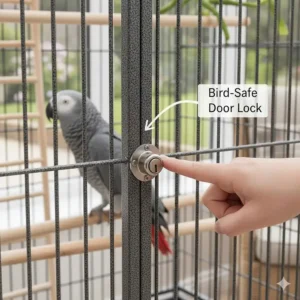
Quality cages incorporate tamper-resistant locking mechanisms specifically designed to outsmart parrot intelligence. Button locks, sliding bolts with safety catches, and spring-loaded latches provide varying security levels.
Evaluating Lock Quality
Test locks before purchase whenever possible. They should require deliberate human action—simple pushing or pulling shouldn’t open them. Parrots excel at repetitive actions, so locks requiring coordination (such as simultaneous pressing and sliding) prove most effective.
Feeder door locks deserve equal attention. Many escape artists initially investigate feeder doors, which owners may secure less carefully than main doors. Ensure every access point features comparable security.
Additional Security Measures
Even with quality locks, determined parrots sometimes succeed. Secondary measures include:
- Padlocks or carabiners on main doors provide backup security for known escape artists
- Visual monitoring of lock-testing behaviour helps identify potential security weaknesses before successful escapes
- Positive reinforcement for remaining in the cage reduces motivation to escape
- Adequate enrichment inside the cage addresses the boredom that often drives escape attempts
Remember that escapes in UK homes pose serious dangers: open windows, toxic houseplants, and predatory pets create genuine hazards for free-flying parrots.
Maintenance and Cleaning: Practical Tips for Large Cages
Regular maintenance preserves cage longevity whilst protecting your parrot’s health. Large cages present unique cleaning challenges, but systematic approaches make the task manageable.
Daily Maintenance Routine
Morning tasks (5-10 minutes): Remove and clean food bowls, refresh water, spot-clean obvious droppings from perches and bars, quickly wipe high-traffic areas with bird-safe wipes.
Evening tasks (5 minutes): Final spot-check, remove uneaten fresh foods, ensure water remains clean, brief visual inspection for damage or wear.
This daily investment prevents bacterial buildup and maintains a pleasant environment. UK homes’ variable humidity makes consistent daily cleaning particularly important for preventing mould growth.
Weekly Deep Cleaning
Allocate 30-45 minutes for thorough weekly cleaning:
- Transfer your parrot to a secure temporary location
- Remove all accessories—perches, toys, feeders go into disinfectant solution
- Scrub cage bars with bird-safe disinfectant and warm water
- Clean bottom tray thoroughly, checking corners where debris accumulates
- Wipe rolling wheels and storage areas
- Rinse everything with clean water to remove disinfectant residue
- Dry components before reassembly to prevent rust
- Rotate toys whilst reassembling to maintain novelty
Product Recommendations
F10 veterinary disinfectant, widely available in the UK, provides hospital-grade cleaning without toxic residues. Dilute according to instructions—stronger isn’t better and can leave harmful residues.
Avoid bleach, which releases toxic fumes and corrodes metal over time. Common household cleaners often contain chemicals dangerous to birds’ sensitive respiratory systems.
Budget vs Premium: Understanding Price Points and Value
The UK market offers large parrot cages spanning £70-£300+, raising obvious questions about value, quality, and appropriate investment levels.
Budget Cages (£70-£95)
Brands like Yaheetech dominate this segment, delivering functional cages with powder coated finishes, rolling wheels, and adequate accessories. These cages suit first-time owners, small-medium parrots, and budget-conscious households.
Budget doesn’t mean disposable. Many Yaheetech owners report 5+ years of reliable service with proper maintenance. The trade-offs typically involve:
- Standard bar thickness (2-3mm rather than 5mm)
- Basic accessories requiring upgrades
- Simpler assembly instructions
- Standard powder coating rather than premium finishes
For budgies, cockatiels, and conures, budget cages often exceed requirements. Save money here and invest in quality perches, toys, and veterinary care instead.
Mid-Range Cages (£100-£180)
This segment offers enhanced construction, better accessories, and increased durability. Brands like Liberta and premium Yaheetech models provide thicker bars, superior finishes, and thoughtful design features.
Mid-range cages suit:
- African Greys and Amazons requiring robust construction
- Multi-bird setups demanding reliability
- Long-term cage investments (10+ years expected lifespan)
- Owners prioritising aesthetics alongside functionality
Premium Cages (£180-£300+)
Premium options like the Liberta Endeavour justify higher costs through exceptional build quality, innovative features, and extended lifespans. These cages often feature:
- 5mm bar thickness withstanding powerful chewers
- Premium powder coating with extended warranties
- Sophisticated locking mechanisms
- Breeding-specific features like removable dividers
- Professional-grade construction suitable for aviary use
Making Value-Based Decisions
Consider total cost of ownership beyond initial purchase. A £250 cage lasting 15 years costs £16.67 annually. A £75 cage requiring replacement after 4 years costs £18.75 annually—plus the hassle of shopping, assembly, and bird disruption.
For large, powerful parrots or professional breeding operations, premium cages represent genuine value. For smaller species or temporary housing, budget options serve perfectly well.
Setting Up Your New Large Parrot Cage: Step-by-Step Guide
Proper setup transforms an empty cage into a stimulating, safe home. Follow this systematic approach for optimal results.
Pre-Assembly Preparation
Choose the location carefully before assembly. Moving large cages after setup proves difficult. Consider:
- Natural light without direct sunlight (which overheats cages)
- Family traffic for social interaction without overwhelming chaos
- Away from kitchens (cooking fumes harm birds), external doors (draughts), and heating/cooling vents
- Stable temperature zones avoiding UK’s variable conditions
Unpack methodically, checking all components against the parts list. Missing pieces cause frustration mid-assembly—most suppliers dispatch replacements within days if contacted promptly.
Assembly Process
Follow instructions sequentially, even if they seem unclear. UK reviewers consistently note that Yaheetech instructions improve with patient reading.
Enlist help for large cages. One person holds panels whilst the other secures fixings. Solo assembly remains possible but significantly more challenging.
Check stability before proceeding. Wobbly intermediate stages sometimes indicate missed steps rather than design flaws.
Interior Setup
Position perches strategically:
- Highest perch for sleeping (parrots feel most secure elevated)
- Mid-level perches for daytime activities
- Varied diameters (natural branches work brilliantly)
- Angled placement encouraging movement between levels
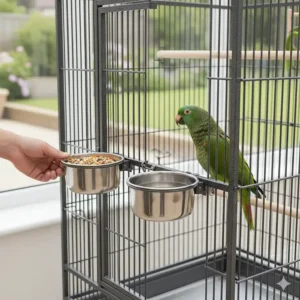
Install feeding stations away from perches to prevent faecal contamination. Most cages include brackets—use them. Place water and food separately (parrots often dunk food, spoiling water).
Add enrichment thoughtfully. Overcrowding restricts movement, so balance stimulation with open space. Rotate toys weekly to maintain interest.
Final Checks
Before introducing your parrot:
✅ Lock functionality verified on all doors
✅ No sharp edges or rough welds
✅ Accessories securely attached
✅ Wheels lock firmly
✅ Bottom tray slides smoothly
Frequently Asked Questions About Large Parrot Cages
❓ What size cage does an African Grey parrot need in the UK?
❓ How do I know if my parrot cage bar spacing is safe?
❓ Are powder coated parrot cages safe for birds?
❓ Can I keep two African Greys in one large parrot cage?
❓ Do large parrot cages with wheels roll easily on UK carpets?
Conclusion: Finding Your Perfect Large Parrot Cage
Choosing the right large parrot cage represents one of the most significant decisions you’ll make for your feathered companion’s welfare. Throughout this comprehensive guide, we’ve explored seven exceptional options available on Amazon.co.uk in 2026, each offering unique benefits depending on your specific circumstances.
The Yaheetech 175cm Large Parrot Cage emerges as our top overall recommendation, delivering outstanding value through robust construction, practical features, and generous dimensions suitable for African Greys and multiple medium parrots. Its combination of quality and affordability makes it the sensible choice for most UK parrot owners.
For those seeking premium construction with breeding versatility, the Liberta Endeavour with Divider justifies its higher investment through exceptional build quality and thoughtful features that will serve you reliably for decades.
Remember that cage selection extends beyond specifications—consider your parrot’s personality, your home environment, and your long-term plans. A slightly smaller cage supplemented with extensive out-of-cage time often surpasses a larger cage where your parrot spends isolated days.
Prioritise proper bar spacing, secure locks, and adequate horizontal space over aesthetic considerations. Your parrot’s safety and behavioural health depend on these fundamental features. The powder coated finishes, rolling wheels, and storage solutions we’ve discussed elevate convenience without compromising welfare.
Ultimately, the “perfect” cage balances your budget, space constraints, and your parrot’s needs. Whichever option you select from our recommendations, you’re investing in your companion’s daily happiness and long-term health. That investment pays dividends through reduced stress, improved behaviour, and the joy of watching your parrot thrive in a proper home.
Recommended for You
- 7 Best Cockatiel Cage UK 2026 – Expert Reviews & Guide
- Best Cage for 2 Budgies UK: 7 Top Picks 2026
- 7 Best Bird Cages in 2026: UK Buyer’s Complete Guide
Disclaimer: This article contains affiliate links. If you purchase products through these links, we may earn a small commission at no additional cost to you. Prices shown are approximate and may vary. All product recommendations are based on genuine research and customer feedback from Amazon.co.uk.
✨ Found this helpful? Share it with your mates! 💬🤗
