In This Article
Choosing the right African grey parrot food can feel like navigating a minefield, can’t it? You want the very best for your feathered companion, but with countless brands claiming to be “complete” or “balanced,” how do you actually know what works?
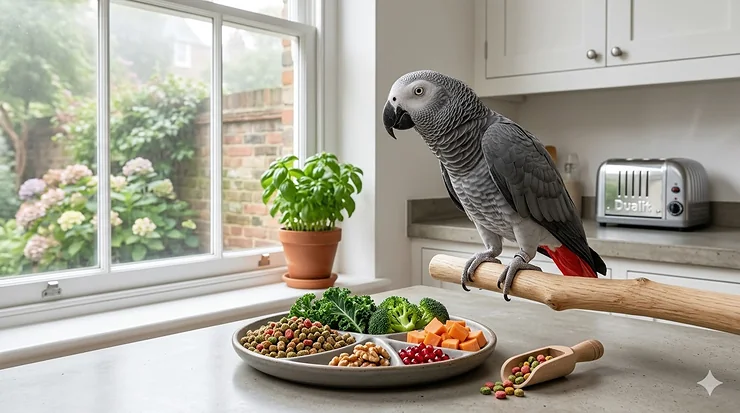
Here’s the thing: African greys aren’t just any parrots. These brilliant birds have unique nutritional requirements that differ significantly from other species. They’re particularly prone to calcium deficiency and vitamin A shortages, which means your food choices genuinely impact their long-term health. A poor diet can lead to feather plucking, weakened bones, and even seizures.
After researching dozens of products available across the UK market and consulting with avian nutrition guidelines, I’ve identified the food options that actually deliver on their promises. Whether you’re transitioning your grey from a seed-based diet or simply want to upgrade their current meals, this guide covers everything from premium organic pellets to budget-friendly seed mixes that won’t compromise on quality. You’ll find real product names, UK pricing in pounds, and honest assessments based on actual customer feedback from British parrot owners.
Quick Comparison Table
| Product | Type | Price Range | Best For | Rating |
|---|---|---|---|---|
| PARROT ESSENTIALS Premium African Grey Food | Seed & Pellet Mix | £8-£15 | Balanced daily feeding | ⭐⭐⭐⭐ 4.2/5 |
| Harrison’s High Potency Coarse | Organic Pellets | £17-£19 | Premium nutrition | ⭐⭐⭐⭐⭐ 4.8/5 |
| Lafeber Gourmet Pellets Tropical Fruit | Flavoured Pellets | £13-£16 | Fussy eaters | ⭐⭐⭐⭐ 4.5/5 |
| Tidymix Parrot Diet | Human-Grade Mix | £5-£35 | Natural feeding | ⭐⭐⭐⭐⭐ 4.7/5 |
| Northern Parrots African Grey Gourmet | Low Sunflower Mix | £18-£28 | Weight management | ⭐⭐⭐⭐ 4.3/5 |
| ZuPreem FruitBlend | Fruit Pellets | £20-£26 | Colour & variety | ⭐⭐⭐⭐ 4.4/5 |
| BusyBeaks African Grey Mix | High Energy Mix | £35-£42 | Active birds | ⭐⭐⭐ 3.8/5 |
💬 Just one click – help others make better buying decisions too! 😊
Top 7 African Grey Parrot Food Products: Expert Analysis
1. PARROT ESSENTIALS Premium African Grey Parrot Food – Best Overall Value
This specially formulated 2kg bag combines coarse pellets with dried vegetables, creating a balanced meal that mirrors what African greys actually need. The mix contains sunflower seeds, buckwheat, rolled oats, and 5.5% pellets, plus dried peppers and peas for added nutrition.
Key Specifications:
- Weight: 2kg bag
- Contains dried vegetables (peppers, carrots, peas)
- Includes 2.5% rosehip for vitamin C
- Made with oyster shells for calcium
UK Customer Feedback: British owners appreciate the variety of ingredients, with one reviewer noting their grey particularly enjoys the fruit and nut content. However, some find the value for money questionable compared to bulk options.
Price Range: £8.00-£15.00
✅ Pros:
- Specially formulated for African greys
- Good variety of seeds and vegetables
- Contains essential calcium sources
❌ Cons:
- Mixed reviews on value
- Some birds may pick out favourite bits
Best For: Owners wanting a ready-mixed solution combining seeds and pellets without the hassle of creating their own blend.
2. Harrison’s High Potency Coarse – Premium Organic Choice
When you’re serious about nutrition, Harrison’s High Potency Coarse stands apart as the gold standard. These certified organic pellets were developed by avian veterinarians and contain no artificial preservatives, colours, or flavours.
Key Specifications:
- Weight: 454g (1lb) bag
- USDA Organic certified
- Formulated for medium to large parrots
- Contains at least 95% organic ingredients
UK Customer Feedback: One caique owner mentioned their bird loves these pellets, whilst a budgie owner praised the product quality despite ordering the wrong granule size. Several UK buyers note their birds’ improved health after switching to Harrison’s.
Price Range: £17.49
✅ Pros:
- Certified organic ingredients
- Vet-formulated nutrition
- No artificial additives
- Suitable for diet conversion
❌ Cons:
- Premium pricing
- Some birds resist pellet conversion initially
Best For: Health-conscious owners willing to invest in premium organic nutrition, particularly during moulting or recovery periods.
3. Lafeber Gourmet Pellets Tropical Fruit – Best for Fussy Eaters
Struggling with a picky African grey? Lafeber Gourmet Pellets Tropical Fruit might be your answer. Made exclusively with natural fruit flavours—papaya, mango, and pineapple—these pellets contain no added sugar or fructose.
Key Specifications:
- Weight: 567g
- Contains real fruit pieces (papaya, mango, pineapple)
- Balanced Omega 3 and Omega 6 fatty acids
- No artificial colours or preservatives
UK Customer Feedback: Whilst marketed for parrots, UK customers report success with various species. The natural fruit flavouring helps encourage birds to accept pelleted diets more readily than plain alternatives.
Price Range: £13.00-£16.00
✅ Pros:
- Natural fruit flavours birds love
- Complete nutritional profile
- Helps with pellet conversion
- Made with real fruit pieces
❌ Cons:
- Smaller bag size
- Natural tan colour may not appeal to all birds
Best For: Transitioning seed-addicted greys to pellets or maintaining interest in daily feeding routines.
4. Tidymix Parrot Diet – Best Human-Grade Mix
What if I told you that you could feed your African grey food that’s 99% human-grade? Tidymix Parrot Diet delivers exactly that, with 32 healthy ingredients including safflower seed, oat groats, whole wheat, and an impressive array of nuts and dried fruits.
Key Specifications:
- Available in 1kg, 2kg, 4kg, 10kg, and 20kg bags
- 99% human-grade ingredients (except safflower)
- Contains kelp powder for minerals
- Maximum 10% sunflower seeds
UK Customer Feedback: Long-term users report excellent quality, with one customer stating they’ve used Tidymix for nearly 20 years. UK avian vets recommend this brand, and many sanctuaries choose it as their staple diet.
Price Range: £5.00 (1kg) to £65.00 (20kg)
✅ Pros:
- Scientifically proven as effective as pellets
- 99% edible reduces waste
- Used by UK charities and vets
- Excellent value in larger bags
❌ Cons:
- Still contains seeds that some greys may selectively eat
- Requires supplementation with fresh foods
Best For: Owners preferring natural, recognisable ingredients over processed pellets, especially those feeding multiple birds.
5. Northern Parrots African Grey Gourmet Low Sunflower – Best for Weight Management
Concerned about your grey’s weight? This UK-made mix keeps sunflower content to just 10%, making it ideal for less active birds or those prone to obesity. The Northern Parrots African Grey Gourmet includes added vitamins and minerals whilst eliminating monkey nuts entirely.
Key Specifications:
- Weight: 10kg bag
- Only 10% sunflower seeds
- No monkey nuts included
- Made in the UK with added vitamins
UK Customer Feedback: Available through Northern Parrots, a trusted UK retailer, this mix receives positive feedback for its balanced approach to nutrition without excessive fat content.
Price Range: £18.00-£28.00
✅ Pros:
- Controlled fat content
- UK-made product
- Vitamin and mineral fortified
- Suitable for multiple large parrot species
❌ Cons:
- Large 10kg bags may not suit single-bird households
- Lower sunflower content may disappoint some birds initially
Best For: Multiple-bird households or breeders looking for a balanced, weight-conscious diet formulated specifically for African greys.
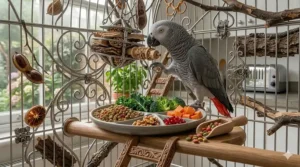
6. ZuPreem FruitBlend – Best for Visual Stimulation
Bright, colourful, and nutritionally complete, ZuPreem FruitBlend brings a bit of fun to mealtime. These fruit-shaped pellets come in vibrant colours and contain real fruit flavours like banana, apple, orange, and grape.
Key Specifications:
- Available in medium/large bird formula
- 21 vitamins and minerals
- Fruit-flavoured with natural colours
- Recommended daily amount: 1/2 cup for African greys
UK Customer Feedback: Though primarily available through specialist retailers in the UK, ZuPreem maintains a strong reputation. Some British owners report their birds initially resist the switch but eventually accept the pellets.
Price Range: £20.00-£26.00
✅ Pros:
- Colourful shapes stimulate interest
- Complete balanced nutrition
- Real fruit flavours
- Encourages foraging behaviour
❌ Cons:
- Contains artificial colours (though safe)
- Not all birds immediately accept the taste
- Can be messy
Best For: Owners wanting to add visual interest and variety to their grey’s diet whilst maintaining complete nutrition.
7. BusyBeaks African Grey Parrot Food – Budget High-Energy Option
Marketed as a high-energy, high-protein mix, BusyBeaks African Grey claims to be cleaned to 99.9% purity and additive-free. The 10kg bag provides long-lasting value for budget-conscious owners.
Key Specifications:
- Weight: 10kg
- High energy and protein formula
- Cleaned to 99.9% purity
- Suitable for multiple large parrot species
UK Customer Feedback: Reviews are decidedly mixed. Whilst some customers praise the quality and value, others report their African greys won’t eat it, finding it dusty or inappropriate for their birds’ preferences. Several reviewers mention the mix contains more millet and smaller seeds than expected.
Price Range: £35.00-£42.00
✅ Pros:
- Large quantity for the price
- High energy content
- Suitable for active birds
❌ Cons:
- Very mixed customer reviews
- Some birds refuse to eat it
- Reports of dustiness
- May not match product photos
Best For: Those on a tight budget feeding multiple birds, willing to trial the product knowing it may not suit all greys.
Understanding African Grey Nutritional Needs
African grey parrots aren’t just fussy eaters—they have genuinely distinct nutritional requirements compared to other parrot species. According to VCA Animal Hospitals, these intelligent birds are more prone to calcium deficiency when fed predominantly seed-based diets compared to other large psittacines, making food choices particularly critical.
The Calcium Challenge
Low blood calcium levels, or hypocalcaemia, commonly affect African greys and can be prevented through nutritious foods rich in calcium. According to avian nutrition research, this deficiency can manifest through tremors, seizures, weakness, frequent fractures, and loss of coordination. To combat this, your grey needs regular access to calcium-rich foods like kale, almonds (in moderation), and mineral blocks or cuttlebones.
Interestingly, it’s not just about calcium intake. Vitamin D3 is essential for calcium absorption, and African greys require proper calcium levels to prevent weak bones and difficulty moulting. Natural sunlight or full-spectrum UV lighting helps birds produce vitamin D3 naturally.
Pellets vs Seeds: What’s Actually Better?
For decades, the avian community has debated this question. The truth? Commercial seed mixes tend to be high in fat and deficient in many nutrients, and if fed as the only food source, could cause illness and premature death. Greys often selectively eat peanuts and sunflower seeds—the worst offenders for high fat and low calcium content.
However, a bird consuming 75-80% of its diet in pelleted food typically doesn’t need supplements, as pellets are meant to be nutritionally complete. The remaining 20-25% should comprise fresh vegetables and minimal fruit.
Essential Vitamins and Minerals
Beyond calcium, African greys require:
- Vitamin A: Critical for eye health, immune function, and feather quality. Deficiency is extremely common in seed-fed birds
- Vitamin D3: Works with calcium for bone strength
- Omega-3 and Omega-6 fatty acids: Support brain function and feather condition
- Iron: Maintains healthy red blood cells
- Protein: Especially important during moulting periods
How to Choose the Best African Grey Parrot Food
Walking into a pet shop—or scrolling through pages of options online—can feel overwhelming. Here’s how to cut through the marketing waffle and identify genuinely nutritious options.
Check the Ingredient List First
Quality ingredients should appear at the top of the list. Look for whole grains (oat groats, wheat, barley), legumes (peas, lentils), and vegetables. Avoid products where sunflower seeds dominate the first few ingredients—it’s a red flag for nutritionally inadequate mixes.
For pellets, seek out those listing whole ingredients rather than by-products or meals. Organic certification (like Harrison’s USDA Organic) indicates stricter ingredient standards and no harmful pesticides.
Consider Your Bird’s Current Diet
Transitioning from seeds to pellets requires patience. If your grey has eaten only seeds their entire life, an abrupt switch to plain pellets will likely fail. Fruit-flavoured options like Lafeber or ZuPreem can ease this transition, whilst mixed diets like PARROT ESSENTIALS bridge the gap.
Evaluate Fat Content
Seeds, particularly sunflower and peanuts, contain excessive fat for captive birds. Wild African greys burn enormous energy foraging across miles of forest. Your grey in a cage? Not so much. Look for mixes limiting sunflower to 10% or less, like the Northern Parrots Gourmet blend.
Size Appropriate Formulas Matter
African greys need medium to large parrot formulas. Small bird pellets won’t provide adequate nutrition and may be rejected. Coarse pellets (like Harrison’s Coarse) work better than fine grades for African grey beaks.
Read Real Customer Reviews
Pay attention to UK-specific reviews mentioning product freshness, palatability, and whether birds actually eat it. A nutritionally perfect food means nothing if your grey refuses to touch it.
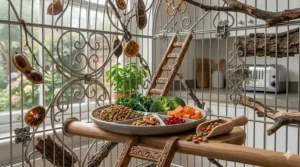
Common Feeding Mistakes to Avoid
Mistake 1: All-Seed Diets
Seeds alone cannot sustain an African grey. Birds often pick through commercial seed mixes and selectively eat one or two favourite types of seeds, limiting their nutrient intake even further. This selective eating exacerbates nutritional deficiencies, particularly calcium and vitamin A.
Seeds should comprise no more than 20-40% of a balanced diet. Think of them as treats or training rewards rather than staple nutrition.
Mistake 2: Assuming Pellets Need No Supplementation
Whilst pellets provide complete nutrition, African greys still benefit from fresh vegetables daily. This isn’t about nutrition alone—it’s mental stimulation and variety. A bored grey with a monotonous diet may develop behavioural issues like feather plucking.
Mistake 3: Inconsistent Feeding Schedules
African greys thrive on routine. Offering food at the same times daily, removing uneaten fresh foods after a few hours, and providing consistent portions helps maintain healthy eating habits.
Mistake 4: Ignoring Calcium Sources
Simply buying quality food isn’t enough if your grey lacks access to supplemental calcium. Cuttlebones or mineral blocks should always be available in the cage. Don’t wait for deficiency symptoms to appear—prevention is far easier than treatment.
Mistake 5: Not Transitioning Gradually
Changing your grey’s diet overnight invites disaster. Gradual diet transitions over 7-10 days, mixing new food with old whilst slowly adjusting proportions, helps birds accept changes. Patience during conversion prevents stress and food refusal.
Benefits of Premium African Grey Parrot Food
Superior Feather Quality
Proper nutrition directly impacts plumage. Birds fed balanced diets exhibit vibrant grey colouration and distinctive red tail feathers. Conversely, seed-fed greys often develop dull, brittle feathers with stress bars indicating nutritional inadequacy.
Enhanced Immune Function
Complete nutrition strengthens your grey’s immune system, reducing susceptibility to infections and diseases. Quality pellets contain immunoboosting vitamins and minerals that seed-only diets lack entirely.
Increased Longevity
African greys can live 50-60 years with proper care. Diet plays a massive role in reaching this potential. Poor quality diets can cause illness and premature death in African grey parrots, whilst nutritionally complete foods support decades of health.
Better Behaviour and Mood
Nutritional deficiencies affect brain chemistry and behaviour. Greys suffering from vitamin deficiencies may exhibit increased aggression, screaming, or feather destruction. Balanced nutrition supports stable moods and reduced behavioural problems.
Stronger Bones and Beak
Adequate calcium and vitamin D3 prevent metabolic bone disease, a painful condition causing weakness and fractures. Properly nourished greys maintain strong bones and healthy beak growth throughout their lives.
✨ Don’t Miss These Exclusive Deals!
🔍 Take your African grey’s nutrition to the next level with these carefully selected products. Click on any highlighted item to check current pricing and availability on Amazon.co.uk. These foods will help you create an authentic balanced diet your feathered companion will love!
Transitioning Your African Grey to a New Diet
Week 1-2: Introduction Phase
Mix 75% current food with 25% new food. Place the new food in a separate bowl initially so your grey can investigate it without pressure. Some birds are naturally curious and will try new things readily, whilst others need more encouragement.
Week 3-4: Gradual Increase
Shift to 50% current food and 50% new food. Monitor your grey’s weight during transition—weight loss indicates they’re not eating enough of the new diet. If weight drops, slow the transition.
Week 5-6: Majority New Food
Move to 25% current food and 75% new food. By this point, most greys have accepted the new diet. Continue monitoring droppings and behaviour for signs of digestive upset.
Week 7+: Complete Transition
Feed 100% new diet. Keep offering fresh vegetables alongside pellets or quality seed mixes. Some greys transition easily within two weeks, whilst others require several months. There’s no rush—every bird progresses at their own pace.
Conversion Tips from UK Owners
Make it social: Eat similar foods (like raw vegetables) in front of your grey. Many parrots are flock eaters and want what you’re having.
Try different preparations: Some greys prefer raw vegetables, others like them lightly steamed. Experiment with presentation—shredded, chopped, or whole.
Use foraging toys: Place pellets or new foods inside foraging toys. The challenge of retrieving food increases interest and mimics natural feeding behaviours.
Be patient with pellet-resistant birds: If your grey absolutely refuses pellets, don’t force it. A high-quality seed mix like Tidymix supplemented with fresh foods provides adequate nutrition.
Storage and Freshness Tips
Proper Storage Extends Shelf Life
Once opened, pelleted foods benefit from refrigeration or freezing to maintain freshness. Harrison’s specifically recommends this for their preservative-free pellets. Store in airtight containers to prevent oxidation and moisture absorption.
Seed mixes should be kept in cool, dry locations away from direct sunlight. Check regularly for signs of mould, insects, or rancid odours, particularly in humid environments.
Rotation Matters
Buy appropriate quantities for your household. A single African grey won’t consume a 20kg bag before quality deteriorates. Smaller, more frequent purchases ensure maximum freshness, though larger bags offer better value for multiple birds.
Recognising Spoiled Food
Pellets developing odd odours, discolouration, or moisture should be discarded immediately. Seeds showing webbing (indicating insect activity), mould, or rancid smells are unsafe. When in doubt, throw it out—your grey’s health isn’t worth the risk.
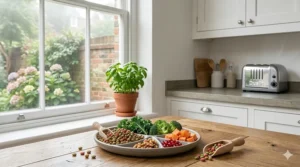
Supplementing with Fresh Foods
Best Vegetables for African Greys
Dark leafy greens reign supreme: kale, collard greens, dandelion greens, and Swiss chard provide calcium, vitamins, and fibre. Broccoli, Brussels sprouts, and cauliflower offer additional nutrients and variety.
Orange and red vegetables (carrots, sweet potatoes, red peppers) supply vitamin A, crucial for greys prone to deficiency. Serve sweet potatoes cooked, never raw.
Safe Fruits in Moderation
Fruits provide vitamins but contain high sugar content. Limit to 5-10% of total diet. Safe options include apples (without seeds), berries, pomegranate, papaya, mango, and melon.
Avoid avocado entirely—it’s toxic to parrots. Also skip onions, garlic, rhubarb, and any fruit pits or apple seeds containing cyanide compounds.
Preparing Fresh Foods Safely
Wash all produce thoroughly to remove pesticides and bacteria. Organic options reduce chemical exposure but aren’t essential if washed properly. Chop into appropriate sizes—African greys can handle larger pieces than smaller parrots.
Remove uneaten fresh foods within 2-4 hours to prevent bacterial growth, especially in warm weather. Clean food bowls daily with hot, soapy water.
Cost Analysis: Budget vs Premium Options
Entry-Level: £5-£15 Monthly
Basic seed mixes like the 1kg Tidymix bag (£5.00) provide affordable nutrition when supplemented with home-prepared vegetables. For a single African grey, a 2kg PARROT ESSENTIALS bag (£8-£15) lasts approximately one month.
Monthly Cost: £5-£15 for food, plus £5-£10 for fresh produce
Total: £10-£25 monthly
Mid-Range: £15-£30 Monthly
Combining moderate-quality pellets with premium seed mixes offers excellent value. A 454g Harrison’s bag (£17.49) supplements a core diet of Tidymix or similar blends.
Monthly Cost: £15-£25 for mixed diet, plus £5-£10 for fresh produce
Total: £20-£35 monthly
Premium: £30-£50+ Monthly
Exclusive organic pellet diets from Harrison’s or Lafeber, rotated with speciality mixes and organic produce, represent top-tier nutrition.
Monthly Cost: £30-£40 for premium foods, plus £10-£15 for organic produce
Total: £40-£55 monthly
Long-Term Value Consideration
Investing in quality nutrition prevents expensive veterinary interventions. A qualified avian veterinarian can provide the best dietary recommendations for your African grey, as commonly owners assume they’re feeding properly when they’re not. Preventative nutrition costs far less than treating nutritional deficiencies, which can run into hundreds of pounds.
Where to Buy African Grey Parrot Food in the UK
Online Retailers
Amazon.co.uk: Offers the widest selection with customer reviews, though prices may vary from specialist retailers. Prime delivery provides convenience for regular purchasers.
Parrot Essentials (parrotessentials.co.uk): UK-based specialist offering free delivery on orders over £39, loyalty points, and expert advice.
Northern Parrots (northernparrots.com): Another excellent UK specialist with free next-day delivery on orders over £69, extensive product range, and knowledgeable staff.
Scarletts Parrot Essentials (scarlettsparrotessentials.co.uk): Family-run business with competitive pricing and excellent customer service according to UK reviews.
Physical Pet Shops
Most larger Pets at Home locations stock basic parrot foods, though selection may be limited compared to online specialists. Independent pet shops sometimes carry premium brands and can order specific products upon request.
Direct from Manufacturers
Some brands like Tidymix sell directly through their websites (tidymixdiets.com), occasionally offering better value on larger quantities.
FAQ
❓ How much African grey parrot food should I provide daily?
❓ Can I feed my African grey a seed-only diet?
❓ What's the difference between Harrison's High Potency and Adult Lifetime formulas?
❓ How do I know if my African grey has calcium deficiency?
❓ Are organic pellets worth the extra cost for African greys?
Conclusion: Investing in Your Grey’s Future
Choosing the right African grey parrot food represents one of the most important decisions you’ll make as a responsible owner. These remarkable birds deserve nutrition that supports their exceptional intelligence, longevity, and vibrant personalities.
Whether you opt for premium organic pellets like Harrison’s High Potency Coarse, budget-friendly human-grade mixes like Tidymix Parrot Diet, or speciality options like Lafeber Gourmet Pellets, the key is consistency, variety, and quality. Remember that no single product provides everything—successful African grey nutrition combines quality staple foods with fresh vegetables, appropriate calcium supplementation, and clean water.
The products reviewed here represent genuine options available to UK parrot owners in 2026, with realistic pricing and honest customer feedback. Start by assessing your grey’s current diet, identify areas for improvement, and transition gradually using the methods outlined earlier.
Your African grey may live 50-60 years with proper care. The food choices you make today directly impact their quality of life decades from now. Invest wisely in premium nutrition, maintain variety, and work with an avian veterinarian to ensure your feathered companion thrives throughout their remarkably long life.
For more detailed guidance on African grey nutrition, consult resources from the Royal Society for the Prevention of Cruelty to Animals, which provides evidence-based pet care information. You can also reference the World Parrot Trust, an international conservation charity dedicated to parrot welfare and nutrition research, or speak with specialists at certified UK avian veterinary practices.
Recommended for You
- 7 Best Cockatiel Treats for Hand Taming UK 2026
- 7 Best Cockatiel Pellets vs Seed Options UK 2026
- 7 Best Cockatiel Food UK 2026
Disclaimer: This article contains affiliate links. If you purchase products through these links, we may earn a small commission at no additional cost to you. Prices shown are approximate and may vary. Always consult with a qualified avian veterinarian regarding your specific bird’s dietary needs.
✨ Found this helpful? Share it with your mates! 💬🤗
