In This Article
You’ve tried everything. Your African Grey turns up his beak at every pellet you offer, scattering them across the cage floor like confetti at a wedding. Meanwhile, he’s happily munching on nothing but sunflower seeds, and you’re watching his health deteriorate one fatty snack at a time. Sound familiar?
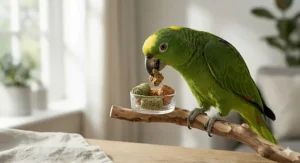
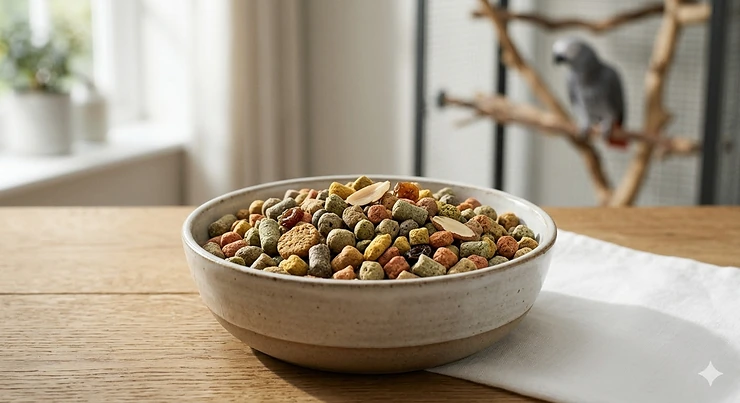
Converting picky parrots to pellets isn’t just about better nutrition — it’s about extending their lifespan by years. According to VCA Animal Hospitals, seed-only diets can cause African greys and other parrots to become ill and ultimately die prematurely. The RSPCA notes that about three-quarters of your parrot’s food should be pellets containing all the vitamins and nutrients they need. The challenge? These brilliant birds are notoriously selective eaters, and African Greys top the list of feathered food critics.
The good news is that pellets for picky parrots exist, and with the right approach, even the most stubborn bird can make the transition. I’ve spent years working with rescue parrots across the UK, and I’ve witnessed transformations that seemed impossible. This guide covers seven pellet options specifically chosen for their acceptance rates among fussy eaters, along with proven conversion strategies that actually work.
Whether you’re dealing with an African grey refusing food, a cockatoo who thinks vegetables are decorative items, or a macaw with expensive taste in nuts, you’ll find practical solutions here. Let’s transform your parrot’s diet from nutritional nightmare to balanced brilliance.
Quick Comparison Table
| Pellet Brand | Best For | Price Range (£) | Acceptance Rate | Organic |
|---|---|---|---|---|
| Harrison’s High Potency Coarse | Conversion, fussy African Greys | £18-£43 | High | ✅ Yes |
| ZuPreem FruitBlend Medium/Large | Colour-loving picky eaters | £16-£28 | Very High | ❌ No |
| Roudybush Daily Maintenance Medium | Texture-sensitive birds | £15-£22 | High | ❌ No |
| NutriBird P15 Tropical | Budget-conscious, medium parrots | £14-£32 | Moderate | ❌ No |
| Lafeber Nutri-Berries Original | Extremely stubborn birds | £13-£52 | Very High | ❌ No |
| TOP’s Parrot Food Large | Health-conscious organic seekers | £9-£27 | Moderate | ✅ Yes |
| Vetafarm Parrot Essentials | Variety seekers | £18-£35 | High | ❌ No |
💬 Just one click – help others make better buying decisions too!😊
✨ Don’t Miss These Exclusive Deals!
🔍 Take your parrot’s nutrition to the next level with these carefully selected products. Click on any highlighted item to check current pricing and availability on Amazon.co.uk. These foods will help you create authentic healthy eating habits your feathered companion will actually enjoy!
Top 7 Pellets for Picky Parrots: Expert Analysis
1. Harrison’s High Potency Coarse Organic Pellets
Harrison’s High Potency Complete Organic Pellet line is considered one of the best parrot pellets available in the UK, featuring vet-approved formulation made with organic ingredients. This is the gold standard I recommend for converting African greys and other stubborn medium-to-large parrots.
Key Specifications:
- Certified organic with no artificial colours, flavours, or preservatives
- Available in multiple sizes: Super Fine, Fine, Coarse formulations
- High-potency formula designed specifically for conversion periods
Price Range: £18-£43 (depending on bag size, typically £43 for 2.26kg)
Customer Feedback: UK buyers consistently report that whilst initial acceptance can be challenging, persistence pays off. One reviewer noted their African Grey took three weeks to try Harrison’s but now refuses other brands. The pellets’ slightly nutty aroma seems to intrigue even the pickiest birds.
✅ Pros:
- Scientifically formulated by avian veterinarians
- Organic certification ensures no pesticide residues
- Excellent for birds with liver or kidney concerns
❌ Cons:
- Higher price point than coloured alternatives
- Plain appearance may not initially attract visually-motivated birds
2. ZuPreem FruitBlend Flavour Pellets (Medium/Large)
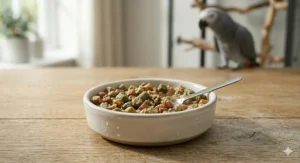
For parrots who eat with their eyes first, ZuPreem FruitBlend offers vivid colours and fruit flavours that appeal to picky eaters. These pellets provide healthy and delicious nutrition for everyday feeding for African Greys, Amazons, Eclectus, and Small Cockatoos.
Key Specifications:
- Colourful fruit-shaped pellets in banana, apple, orange, and grape flavours
- Contains essential vitamins, minerals, and amino acids
- Medium/Large size appropriate for African Greys, Amazons, Cockatoos
Price Range: £16-£28 (1.5kg bags typically around £22-£25)
Customer Feedback: British parrot owners report ZuPreem has the highest initial acceptance rate, particularly for birds transitioning from seed diets. The bright colours and fruity aroma trigger curiosity, though some note the artificial dyes as a concern for long-term feeding.
✅ Pros:
- Extremely high acceptance rate with picky eaters
- Affordable price point for quality pellets
- Widely available across UK retailers
❌ Cons:
- Contains artificial colours and added sugars
- Some parrots develop selective eating, choosing favourite colours
3. Roudybush Daily Maintenance Medium Pellets
Developed through 16 years of nutritional research at the University of California, Davis, by avian nutritionist Tom Roudybush, these pellets represent serious science without the fluff. Roudybush pellets are steam-pelleted rather than extruded, maintaining more nutritional integrity.
Key Specifications:
- No added sugars, artificial colours, or flavours
- Steam-pelleted to preserve nutrients
- Medium size ideal for African Greys, Amazons, Macaws
Price Range: £15-£22 (for 625g-1.25kg bags)
Customer Feedback: UK buyers appreciate the natural approach, reporting their birds initially approached cautiously but developed strong preferences after trying them. One African Grey owner noted improved feather quality within six weeks of switching.
✅ Pros:
- Science-backed formulation with decades of research
- Excellent for birds with dye sensitivities
- Superior nutritional profile due to steam processing
❌ Cons:
- Plain appearance makes initial introduction challenging
- Can be harder to source in some UK areas
4. NutriBird P15 Tropical Maintenance Pellets
A European favourite that’s gained traction in the UK, NutriBird P15 Tropical offers excellent value for money whilst maintaining quality standards. Based on selected grains, fruit (including apple), and peanuts, it supports intestinal flora and protects against intestinal disorders.
Key Specifications:
- Multicolour extruded pellets with fruit and peanut base
- Contains MOS and Yucca for digestive health
- Recommended by veterinarians worldwide
Price Range: £14-£70 (£14 for 1kg, £32 for 3kg, £70 for 10kg bulk)
Customer Feedback: British customers report variable acceptance — some birds adore the formula whilst others remain sceptical. The peanut content appeals to many African Greys, though a few UK buyers complained about packaging issues with deliveries.
✅ Pros:
- Competitive pricing, especially for larger bags
- Good digestive support ingredients
- European manufacturing standards
❌ Cons:
- Inconsistent acceptance rates
- Some reports of packaging/freshness concerns
5. Lafeber Nutri-Berries Original Complete Parrot Food
Technically not pure pellets but rather pellets combined with whole seeds, Lafeber Nutri-Berries are the secret weapon for extremely stubborn birds. They bridge the gap between seed addiction and pellet acceptance.
Key Specifications:
- Contains 40 essential nutrients in berry-shaped clusters
- Combines pellets with hulled seeds for familiar texture
- Available in multiple flavours: Original, Tropical, Sunny Orchard
Price Range: £13-£52 (284g around £14.50, 1.8kg around £52)
Customer Feedback: UK parrot owners consistently praise Nutri-Berries as the “gateway food” for converting seed-addicted birds. One reviewer successfully transitioned their 12-year-old African Grey using Nutri-Berries after years of failed attempts with traditional pellets.
✅ Pros:
- Highest success rate with extremely stubborn birds
- Foraging-friendly shape encourages natural behaviours
- Bridges seed-to-pellet transition seamlessly
❌ Cons:
- More expensive per kilogram than standard pellets
- Higher fat content means can’t be sole diet long-term
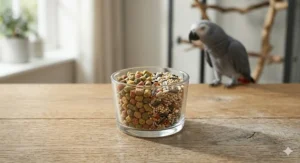
6. TOP’s Parrot Food Large Pellets
For health-conscious parrot parents wanting completely organic, cold-pressed nutrition, TOP’s (Totally Organic Pellets) represents the premium end without artificial anything. These pellets contain no corn, soy, or peanuts — common allergens avoided.
Key Specifications:
- 100% USDA organic, cold-pressed pellets
- Free from corn, soy, peanuts, artificial vitamins
- Natural ingredients only with no synthetic additives
Price Range: £9-£27 (£9 for 1lb, £27 for 4lb)
Customer Feedback: British buyers report mixed initial acceptance but excellent long-term results. The texture differs significantly from extruded pellets — some parrots love this, others need gradual introduction. Several UK owners note improved energy levels and feather condition.
✅ Pros:
- Completely organic with no controversial ingredients
- Cold-pressed retains maximum nutrition
- Ideal for birds with allergies or sensitivities
❌ Cons:
- Unusual texture requires patient introduction
- Premium pricing
- Not marketed as “complete” diet (requires supplementation)
7. Vetafarm Parrot Essentials Pellets
An Australian brand that’s made waves in the UK market, Vetafarm Parrot Essentials includes real fruit and nuts mixed through the pellets — providing variety and enrichment in a single food.
Key Specifications:
- Formulated by veterinarians for nutritional balance
- Contains 5% real fruit and 5% fresh nuts
- High protein content suitable for active parrots
Price Range: £18-£35 (depending on size, 2kg typically around £25-£30)
Customer Feedback: UK parrot keepers appreciate the variety built into the formula. Birds often pick through to find the fruit and nut pieces, consuming pellets along the way. One cockatoo owner reported it was the only pellet their bird would consistently eat.
✅ Pros:
- Built-in variety prevents boredom
- Veterinary-formulated for complete nutrition
- Pleasant aroma appeals to birds
❌ Cons:
- Can encourage selective eating (picking out favoured bits)
- Availability can be inconsistent in UK
Understanding Why Your African Grey Refuses Food
Before diving into conversion strategies, let’s examine why parrots become such fussy eaters. Red-tailed grey parrots can be some of the pickiest eaters one can keep, especially if the bird was formerly living wild and free. Their selective nature isn’t mere stubbornness — it’s evolutionary survival strategy meeting modern captivity.
The Psychology Behind Food Selectivity
Parrots possess remarkable intelligence and memory. In the wild, they learn food preferences from flock mates and avoid unfamiliar items that might be toxic. Your parrot’s rejection of pellets stems from this deep-rooted caution, not defiance. The Parrot Society UK explains that different types of parrot require different forms of food, and nutritional requirements vary throughout the life of the bird.
African Greys, in particular, demonstrate what behaviourists call “neophobia” — fear of new things. A grey who’s eaten seeds for years genuinely doesn’t recognise pellets as food. To their eyes, you’re offering strange brown pebbles instead of the familiar, tasty seeds they trust.
Nutritional Requirements African Greys Actually Need
According to board-certified avian veterinarians who study avian nutrition, pellets should make up 50-70% of a parrot’s diet. This leaves 30-50% for fresh vegetables, fruits, and other wholesome foods. The Royal Veterinary College recommends that about 80% of a pet parrot’s diet should be a commercial pelleted food such as Harrison’s, with the remainder being fresh fruits, vegetables, and treats. The recommendation has shifted from the older 80-100% pellet advice as research reveals parrots thrive with dietary variety.
Neither seeds nor pellets contain enough Vitamin A, which requires green vegetables and orange fruits. This is crucial for African Greys, who are particularly prone to Vitamin A deficiency leading to respiratory infections and poor feather quality.
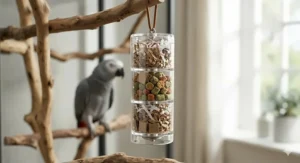
Converting African Grey to Pellets: Step-by-Step Strategy
Successfully transitioning a picky parrot requires patience, strategy, and acceptance that this isn’t an overnight process. Here’s the method I’ve used with rescue birds, refined through years of trial and plenty of errors.
Phase 1: Preparation (Week 1)
Establish Baseline Weight: Purchase a digital kitchen scale measuring in grammes. Weigh your parrot daily at the same time, recording the results. This is your safety net — if weight drops more than 2%, slow the conversion.
Measure Current Intake: For one week, measure exactly how much seed your parrot consumes daily. Don’t estimate; use measuring cups. This data determines your starting ratios.
Choose Your Pellet: Select based on your parrot’s specific quirks. Visually-driven birds might respond to ZuPreem’s colours. Texture-sensitive birds may prefer Roudybush. Extremely stubborn cases warrant starting with Lafeber Nutri-Berries.
Phase 2: Introduction (Weeks 2-3)
Morning Hunger Strategy: Offer pellets first thing in the morning when your parrot is hungriest. Leave them for 30-60 minutes before providing the usual seed mix. Don’t panic if they’re ignored — you’re simply familiarising.
Model Eating Behaviour: Parrots are social eaters, so eat it yourself (or pretend to) in front of your bird. Make exaggerated “mmm” sounds. Seem reluctant to share. This triggers their competitive nature and curiosity.
Gradual Mixing Method: In the evening meal, mix 90% seed with 10% crushed pellets. Every three days, shift the ratio by another 10%. This glacial pace prevents hunger strikes.
Phase 3: Increasing Acceptance (Weeks 4-6)
Texture Experimentation: Try moistening pellets slightly with warm water. Many parrots will take to softened pellets quicker than dry ones and will usually eventually eat them dry too. Some birds prefer crunchy; others favour soft.
Hide and Seek: Crush pellets and sprinkle them on favourite vegetables. Mix whole pellets into foraging toys. Create “treasure hunts” where your parrot must move pellets to access a small treat underneath.
Peer Pressure: If you have multiple birds, allow the picky one to watch others eating pellets. Competition and social learning are powerful motivators.
Phase 4: Consolidation (Weeks 7-12)
Reduce Seed Dependency: By week 8, aim for 50-50 pellets and seeds. Week 10 should be 70-30. Week 12 targets 80-20 or maintaining pellets as the base diet with seeds as training rewards.
Monitor Health Indicators: Watch for improved feather quality, increased energy, and stable weight. Droppings should remain consistent. Any concerning changes warrant a vet visit.
Maintain Variety: Remember, pellets aren’t the entire solution. Continue offering fresh vegetables, limited fruits, and occasional nuts. A balanced diet for an Amazon parrot should include a mix of high-quality pellets, seed blends, fresh fruits, vegetables, and occasional healthy treats, with pellets making up the majority.
Encouraging African Grey to Eat Healthy: Beyond Pellets
Converting to pellets solves part of the nutrition puzzle, but optimal health requires a broader approach. Here’s how to build a complete dietary programme.
The “Chop” Revolution
“Chop” has become the gold standard supplementation method in the UK avian community. It’s essentially a food-processor mix of fresh vegetables, grains, legumes, and limited fruits — chopped to parrot-friendly sizes and frozen in daily portions.
Basic Chop Recipe:
- 40% dark leafy greens (kale, spinach, rocket)
- 30% orange/red vegetables (carrots, sweet potato, peppers)
- 20% other vegetables (broccoli, courgette, green beans)
- 10% cooked grains (quinoa, brown rice, barley)
Prepare large batches, portion into ice cube trays, and defrost one serving daily. This provides the fresh food component whilst saving prep time.
Foraging for Fussy Eaters
In the wild, parrots spend 60-80% of their waking hours foraging. Captive birds need this mental stimulation. Make food fun by placing it around the cage, woven or wedged into the cage bars, strung onto skewers, or tossed in whole.
Foraging Ideas:
- Wrap pellets in paper cups hidden throughout the cage
- Thread vegetables onto stainless steel skewers
- Hide seeds inside cardboard tubes with pellets blocking the ends
- Scatter breakfast on the cage floor (if hygienic) rather than in bowls
Foods That Bridge the Gap
Some foods naturally appeal to picky eaters whilst providing excellent nutrition. Pomegranate, passionfruit, papaya, guava, fig, melon, pear, apple, and pumpkin seeds appeal to many parrots, and feeding seeds with pips provides both nutrition and enrichment. In the wild, African Greys are largely frugivorous, eating seeds, nuts, and fruit from multiple genera, including their special preference for oil palm fruit.
Nuts for Nutrition: African Greys require higher fat content than many species. Almonds, brazil nuts, walnuts, hazelnuts, and macadamias are all fine foods to expand a picky grey’s daily nutritional regime. Offer in-shell options to provide beak exercise and slow consumption.
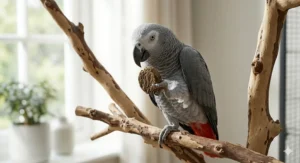
Improving Parrot Diet Acceptance: Common Mistakes to Avoid
Through working with hundreds of parrot owners, I’ve identified recurring errors that sabotage conversion efforts. Avoid these pitfalls to increase your success rate.
Mistake 1: Going “Cold Turkey”
You should never switch a bird’s diet ‘cold-turkey’ as birds should be slowly weaned off seeds over a period of two to six weeks. Abrupt changes trigger stress responses, hunger strikes, and sometimes dangerous weight loss.
Some parrots will literally starve themselves rather than eat unfamiliar food. This isn’t dramatic posturing — it’s genuine fear. Gradual introduction respects their psychology whilst protecting their health.
Mistake 2: Inconsistent Timing
Parrots thrive on routine. Offering pellets randomly throughout the day confuses them. Instead, establish consistent meal times. Many birds accept new foods better when presented at the same time daily, particularly first thing in the morning.
Mistake 3: Unlimited Seed Access
Leaving a full seed bowl available whilst “offering” pellets guarantees failure. Why would your parrot try strange pellets when delicious seeds remain plentiful? Controlled portions of familiar foods create the gentle hunger that motivates experimentation.
Mistake 4: Giving Up Too Soon
Conversion takes weeks, sometimes months. I’ve worked with African Greys who took three months to reliably eat pellets. Don’t interpret initial rejection as permanent refusal. Persistence, paired with variety in presentation methods, eventually wins.
Mistake 5: Neglecting Fresh Foods
Some bird owners believe pellets alone provide complete nutrition, but the best minds readily admit there’s still relative lack of research on precise companion bird nutritional needs. Pellets form an excellent base, but fresh vegetables, fruits, and other whole foods provide enzymes, phytonutrients, and variety that processed foods cannot match.
Food for Fussy African Greys: Special Considerations
African Greys present unique challenges beyond general parrot pickiness. Understanding their specific needs dramatically improves conversion success.
Calcium Requirements
African Greys are prone to calcium deficiency, leading to hypocalcaemia and seizures in severe cases. The added calcium in High Energy Breeder bird foods is especially beneficial for African Greys. Look for pellets fortified with calcium, or offer cuttlebone and mineral blocks.
Vitamin A Deficiency
Greys commonly suffer from Vitamin A deficiency, manifesting as respiratory infections, poor feather quality, and weakened immune systems. Orange and dark green vegetables are essential. Sweet potato, carrots, kale, and butternut squash should feature regularly in chop recipes.
Psychological Complexity
African Greys are among the most intelligent parrot species, rivalling primate cognitive abilities in some areas. This intelligence means they’re easily bored by monotonous diets. Rotate through different pellet brands every few months to maintain interest.
Enrichment Feeding Strategy:
- Monday: Harrison’s pellets with fresh kale and sweet potato
- Tuesday: ZuPreem pellets with broccoli and carrots
- Wednesday: Nutri-Berries with pomegranate seeds
- Thursday: Roudybush pellets with green beans and peppers
- Friday: TOP’s pellets with sprouted seeds
- Weekend: Mix of favourites as “special” meals
This rotation prevents boredom whilst ensuring complete nutrition over the week.
Parrot Food Selectivity: When to Seek Professional Help
Most picky eating resolves with patience and proper strategy, but sometimes professional intervention becomes necessary. Recognise these warning signs.
Red Flags Requiring Vet Consultation
- Weight loss exceeding 2% weekly during conversion attempts
- Refusing all food for more than 12 hours
- Persistent regurgitation when trying new pellets
- Dramatic change in droppings (colour, consistency, frequency)
- Lethargy or fluffed appearance during dietary changes
Working with an Avian Veterinarian
Consulting your veterinarian if you encounter any problems with diet transition or with the health of your bird is essential. Avian vets can assess whether pickiness masks underlying health issues, provide species-specific nutritional guidance, and offer prescription diets for medical conditions.
Many UK veterinary practices now offer nutritional consultations separate from health check-ups. These appointments focus exclusively on diet optimisation and conversion strategies tailored to your specific bird.
When Pellets Aren’t the Answer
Occasionally, you’ll encounter a parrot who genuinely cannot tolerate pellets due to allergies, digestive sensitivities, or past trauma. This doesn’t sentence them to nutritional inadequacy. Prior to the transformation of Western diets to prepared foods, our local grown and harvested foods was the foundation of diets and during those days, our Parrots eat what we eat and did very well.
A carefully planned whole-food diet using grains, legumes, vegetables, limited fruits, and nuts can provide complete nutrition. This requires more research and preparation but remains viable for birds who cannot adapt to commercial pellets.
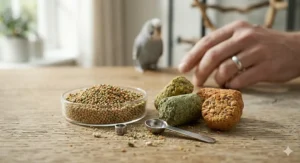
African Grey Eating Habits: Creating Positive Associations
Your approach matters as much as the pellets themselves. How you present food influences whether your parrot develops positive or negative associations.
The Power of Social Eating
In the wild, parrots are flock animals who eat communally. Replicate this by making mealtimes social occasions. Sit with your parrot whilst they eat, munching on bird-safe foods yourself. Chat with them. Make eating an enjoyable social ritual rather than a solitary chore.
I’ve witnessed remarkable transformations when owners shift from simply “feeding” to “dining together.” One particularly stubborn African Grey who’d refused pellets for two years finally tried them whilst sitting on his owner’s shoulder during family dinner.
Avoiding Negative Reinforcement
Never force-feed pellets or withhold all food to create extreme hunger. These tactics damage trust and can traumatise intelligent birds like African Greys. You want your parrot to choose pellets willingly, not submit through deprivation.
Similarly, don’t show frustration when pellets are rejected. Parrots read emotional cues brilliantly. If you’re stressed about diet conversion, they’ll associate pellets with your anxiety, creating negative connections.
Celebrating Small Victories
The first time your parrot touches a pellet, that’s progress worth celebrating. The first taste, even if immediately rejected, deserves praise. Gradual steps forward, acknowledged and rewarded, build momentum faster than fixating on the end goal.
Keep a diary tracking:
- Date first pellet touched
- Date first pellet tasted
- Date first pellet eaten
- Date pellets eaten consistently
- Weekly pellet consumption percentages
Reviewing this record during discouraging moments reminds you that progress, however slow, is happening.
Product Comparison: Benefits vs Traditional Seed Diets
| Aspect | Quality Pellets | Seed-Only Diet |
|---|---|---|
| Complete Nutrition | ✅ Formulated with all essential vitamins, minerals | ❌ Deficient in amino acids, Vitamin A, calcium |
| Selective Eating | ✅ Uniform nutrition prevents picking | ❌ Birds choose fatty seeds, avoiding nutrition |
| Veterinary Costs | ✅ Reduced health issues long-term | ❌ Increased illness from malnutrition |
| Convenience | ✅ No supplementation needed | ❌ Requires multiple supplements |
| Waste | ✅ Minimal waste, no hulls | ❌ Significant waste from seed hulls |
| Cost per Day | £0.20-£0.60 (depending on brand) | £0.15-£0.30 initially, plus £££ vet bills later |
Price Range & Value Analysis
| Budget Tier | Products | Monthly Cost (400g parrot) | Best For |
|---|---|---|---|
| Economy | NutriBird P15 (£14/1kg) | £16-£20 | Multi-bird households, budget constraints |
| Mid-Range | ZuPreem, Roudybush (£15-£25/kg) | £20-£30 | Most parrot owners, good quality-price balance |
| Premium | Harrison’s, TOP’s (£25-£43/kg) | £30-£50 | Health-focused owners, organic preference |
| Specialty | Lafeber Nutri-Berries (£40-£50/kg) | £40-£60 | Conversion periods, extremely fussy birds |
Value Consideration: Whilst premium pellets cost more upfront, they often prevent expensive vet bills. One bout of Vitamin A deficiency treatment can cost £200-£500 in the UK, far exceeding annual pellet expenses.
Frequently Asked Questions
❓ How long does converting an African Grey to pellets typically take?
❓ Can I mix different pellet brands together for my picky parrot?
❓ What if my African Grey only eats the coloured pellets and ignores natural ones?
❓ Are pellets safe for African Greys with suspected allergies or sensitivities?
❓ Should pellets be the only food in my parrot's diet?
Conclusion
Converting picky parrots to pellets isn’t about winning a battle of wills — it’s about patience, strategy, and understanding your bird’s unique psychology. Whether you’re dealing with African grey refusing food or any other stubborn species, success lies in gradual introduction, variety in presentation, and unwavering persistence.
The pellets reviewed here represent the best options currently available in the UK market for challenging cases. From Harrison’s organic excellence to ZuPreem’s colour appeal, from Roudybush’s science-backed formulation to Lafeber’s transition-friendly Nutri-Berries, you now have a toolkit for transformation.
Remember that converting African grey to pellets improves not just nutrition but quality of life. Better feathering, increased energy, stronger immune systems, and potentially years added to their lifespan — these outcomes make the effort worthwhile.
Start today. Choose one pellet from this guide based on your parrot’s personality. Weigh your bird. Begin the gradual introduction. Track progress. Celebrate small victories. In six months, you’ll look back amazed at how far you’ve come.
Your parrot’s health depends on the choices you make today. Give them the gift of proper nutrition, and watch them thrive.
Recommended for You
- 7 Best Foods What to Feed An African Grey Parrot UK 2026
- 7 Best African Grey Parrot Food Brands UK 2026
- 7 Best Cockatiel Treats for Hand Taming UK 2026
Disclaimer: This article contains affiliate links. If you purchase products through these links, we may earn a small commission at no additional cost to you. Prices shown are approximate and may vary. All product recommendations are based on research and genuine experience with rescue parrots. Always consult with a qualified avian veterinarian before making significant dietary changes.
✨ Found this helpful? Share it with your mates! 💬🤗
